
How Local SEO Can Transform Your USA Business Growth
In the digital age, the way people search for services and products has dramatically changed. Especially in the United States, consumers increasingly rely on search engines like Google to find local businesses. Whether it’s a “near me” search on a smartphone or a voice search asking for the “best HVAC repair in Dallas,” Local SEO plays a critical role in connecting customers to businesses.
Local SEO (Local Search Engine Optimization) helps your business become visible to potential customers exactly when they are searching nearby for the services or products you offer. Unlike traditional SEO, which targets national or global audiences, Local SEO focuses on optimizing your online presence to attract local customers.
This comprehensive guide will explore:
- What Local SEO really means and why it matters
- How Its works in the USA
- Differences between Local SEO and traditional SEO
- The businesses that benefit most from Local SEO
- Detailed strategies for local search optimization in 2025
- Common pitfalls and how to avoid them
By the end of this guide, you will be equipped with everything you need to start optimizing your business for local search success.
What is Local SEO?
Local SEO is the practice of optimizing your online presence to appear prominently in search engine results for location-specific queries. This involves increasing your visibility for searches that contain geographic indicators such as city names, zip codes, or phrases like “near me.”
For example, when someone in Chicago searches for “best coffee shop near me,” Local SEO ensures that your coffee shop in Chicago appears in Google’s Local Pack, maps, and organic results. This can drive highly targeted traffic to your business, increasing foot traffic and sales.
Unlike traditional SEO, which may focus on broad keywords like “coffee shop” with no geographic limitation, Local SEO focuses on geographic relevance, which is especially important for small and medium-sized businesses serving specific local markets.
How Local SEO Works: Key Factors
Google uses a combination of factors to determine which local businesses to display in response to a user’s query. These factors include:
1. Proximity
How physically close your business is to the searcher. The closer your business, the more likely it is to show up in the local results.
2. Relevance
How well your business matches the search query. This includes how accurate and detailed your business information is online and how well your website content aligns with the keywords people use.
3. Prominence
Your business’s reputation and authority online, including customer reviews, backlinks, citations, and other trust signals.
4. Google Business Profile Optimization
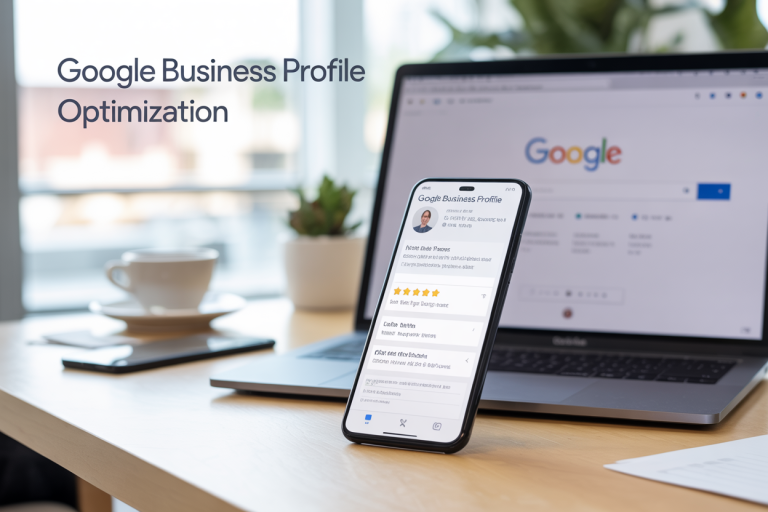
A fully optimised and verified Google Business Profile (formerly Google My Business) is the foundation of effective Local SEO. This profile includes your business name, address, phone number (NAP), website link, hours of operation, photos, and reviews.
5. Consistent NAP Information Across the Web
Your business name, address, and phone number must be consistent on all listings, directories, and citations across the internet to help Google verify your legitimacy.
6. Customer Reviews and Ratings
Positive, frequent, and authentic reviews increase your prominence and trustworthiness, impacting your local rankings.
Local SEO vs. Traditional SEO: Understanding the Differences
| Feature | Traditional SEO | Local SEO |
| Target Audience | National or global | Local/regional |
| Keyword Focus | Broad keywords | Geo-targeted keywords (“plumber in Houston”) |
| Search Results Type | Organic listings | Google Map Pack, Local 3-Pack, local organic listings |
| Ranking Factors | Backlinks, domain authority, content quality | Google Business Profile, reviews, citations, proximity |
| Business Type | E-commerce, services with broad reach | Physical stores, service-area businesses |
While both types of search optimization share some practices, optimizing for local searches requires specific attention to geographic factors and local signals.
Importance of Local SEO in the USA
The U.S. market is highly competitive, and optimizing for local searches has become essential for businesses aiming to dominate their nearby markets. Consider these statistics:
- 92% of consumers use search engines to find local businesses.
- Searches with “near me” or location-based terms have increased by over 200% in recent years.
- 76% of local mobile searches lead to a store visit within a day.
- Businesses that appear in the Google Local Pack receive a significant increase in click-through rates and customer engagement.
Who Needs Local SEO?
Any business that serves a specific local community can benefit from optimizing their presence in local searches. Here are the primary categories:
1. Brick-and-Mortar Businesses
These include retail stores, restaurants, gyms, salons, and other physical locations that rely on foot traffic.
2. Service Area Businesses (SABs)
Plumbers, electricians, pest control companies, and home cleaning services that serve customers within a particular radius.
3. Professionals and Solo Providers
Dentists, lawyers, therapists, real estate agents, and consultants who rely on local clientele.
4. Multi-Location and Franchise Businesses
Chains with multiple locations requiring each site to be optimized for its specific market.

Local SEO for Small Businesses: A Vital Strategy
For small businesses competing with large corporations, optimizing for nearby searches creates a level playing field. It helps small businesses increase visibility among potential customers ready to buy, book, or visit.
Some key benefits include:
- Because local searchers have clear intent, you get higher quality leads.
- Increased foot traffic and calls
- Cost-effective marketing compared to paid ads
- Building community trust through reviews and local engagement
Key Local SEO Strategies for 2025
To succeed in attracting local customers, U.S. businesses should focus on these key strategies:
1. Optimize Your Google Business Profile
- Claim and verify your profile.
- Add complete business details, photos, and services.
- Regularly update hours and posts.
- Use relevant categories and attributes.
2. Conduct Local Keyword Research
Focus on keywords with geo-modifiers and service-specific terms relevant to your area.
3. Ensure NAP Consistency
Maintain identical Name, Address, and Phone Number details across your website, directories, and social platforms.
4. Generate and Manage Customer Reviews
Encourage satisfied customers to leave reviews and respond promptly to feedback.
5. Build Local Citations and Backlinks
List your business on local directories, partner with community organizations, and engage in sponsorships.
6. Create Localized Content
Develop location-specific pages and blog posts addressing local events, news, and FAQs.
7. Use Schema Markup for Local Businesses
Implement structured data to help search engines understand your business details.
8. Optimize for Mobile and Voice Search
Ensure your website is mobile-friendly and answers common voice queries.
Common Mistakes to Avoid in Local SEO
- Neglecting to claim and optimize your Google Business Profile.
- Inconsistent business information across listings.
- Ignoring customer reviews or failing to engage with them.
- Keyword stuffing or using irrelevant keywords.
- Lack of localized content and proper schema markup.
Examples of Successful Local SEO in the USA
- A New York City law firm ranking in the Local Pack for “personal injury lawyer near me” leading to increased client inquiries.
- A San Diego HVAC company optimizing for “AC repair San Diego” generating steady monthly calls.
- A Chicago bakery creating localized content around holiday events boosting foot traffic significantly.
Future Trends in Local SEO
- Hyperlocal targeting with increasing focus on neighborhoods.
- Greater reliance on voice search and AI-driven local results.
- Enhanced integration of Google Business Profile features such as booking and messaging.
- Importance of video content and virtual tours for local engagement.
Is Local SEO Right for Your Business?
If your business relies on local customers—whether via a physical location or service area—Local SEO is an indispensable marketing channel. Investing in a well-rounded Local SEO strategy will boost your visibility, drive customer acquisition, and increase your bottom line.
FAQ
What exactly is Local SEO?
Local SEO is the practice of making your business more visible when people search for products or services near them. When someone types “coffee shop near me” or “plumber in Dallas,” local SEO helps your business show up in those search results. It’s different from regular SEO because it focuses on getting found by people in your specific area.
How is Local SEO different from regular SEO?
Regular SEO tries to reach anyone searching for your keywords worldwide, while Local SEO targets people searching in your specific location. Local SEO uses things like Google My Business listings, local directories, and location-based keywords to help nearby customers find you. It’s more focused on your community and surrounding areas.
Who actually needs Local SEO?
Any business that serves customers in person or in specific areas needs Local SEO. This includes restaurants, dentists, hair salons, plumbers, lawyers, retail stores, gyms, and service providers. If people need to visit your location or you travel to serve customers in certain areas, Local SEO can help you get found.
Do online businesses need Local SEO?
Not always. If you sell products or services entirely online to customers everywhere, traditional SEO might be more important. But if your online business targets specific cities or regions, or if you have a physical location customers might visit, then Local SEO can still be valuable.
What happens if I ignore Local SEO for my business?
You’ll likely miss out on customers who are actively looking for what you offer nearby. Many people use phrases like “near me” when searching, and without Local SEO, your competitors might show up instead of you. You could be losing potential customers who are ready to buy or visit your business.
How does Google My Business fit into Local SEO?
Google My Business is the foundation of Local SEO. It’s your free business profile that appears when people search for you or businesses like yours locally. It shows your hours, location, phone number, photos, and customer reviews. Keeping this profile updated and active is one of the most important things you can do for Local SEO.
Can I do Local SEO myself or do I need to hire someone?
You can definitely start with the basics yourself, like claiming your Google My Business listing, getting listed in local directories, and asking happy customers for reviews. But as your business grows, working with someone experienced in Local SEO can save you time and get better results.
How long does it take to see results from Local SEO?
Local SEO typically shows results faster than regular SEO. You might see some improvement in a few weeks to a couple of months, especially with Google My Business optimization. However, building strong local search presence and getting consistent results usually takes 3-6 months of steady effort.
What are the most important Local SEO factors I should focus on?
Start with claiming and optimizing your Google My Business profile, getting positive customer reviews, making sure your business name, address, and phone number are consistent everywhere online, and getting listed in relevant local directories. These basics will give you the biggest impact.
How do I know if my Local SEO efforts are working?
Look for increases in calls, website visits from local searches, directions requests to your location, and more people finding you through “near me” searches. Google My Business insights can show you how often people view your profile and what actions they take. You can also track if you’re showing up higher in local search results for your key services.