Google Business Profile insights pack a serious punch for local businesses wanting to dominate their neighborhood search results. This guide is designed for small business owners, marketing managers, and digital marketing professionals who need practical strategies to boost their local SEO rankings and attract more customers through data-driven decisions.
Your GBP insights dashboard contains goldmine information about how customers find and interact with your business online. Most business owners barely scratch the surface of what these analytics can reveal about their local search performance and customer behavior patterns.
We’ll walk through how to set up and navigate your GBP insights dashboard so you can start tracking the metrics that actually matter for local SEO. You’ll learn to decode customer search patterns and discovery data to understand exactly how people are finding your business online. We’ll also cover how to turn engagement metrics and customer actions into actionable optimization strategies that improve your local search visibility and drive more foot traffic to your door.
Understanding GBP Insights and Their Impact on Local Visibility
What GBP Insights reveal about customer behavior
GBP insights offer a goldmine of information about how potential customers interact with your business before they even walk through your door. These analytics show you exactly when people search for your business, what search terms they use, and which actions they take after finding your listing. You’ll discover whether customers are calling, visiting your website, requesting directions, or viewing your photos more frequently.
The data reveals customer preferences through their behavior patterns. For instance, if you notice high photo views but low website clicks, customers might be more visually driven and prefer seeing your products or services before making contact. GBP analytics also track peak search times, helping you understand when your audience is most active and likely to engage with your business.
Customer actions like phone calls, direction requests, and website visits tell different stories about intent. Direction requests often indicate high purchase intent, while photo views might suggest customers are in the research phase. This behavioral data becomes crucial for timing your marketing efforts and understanding your customer journey.
Key metrics that drive local search rankings
Several core metrics within GBP insights directly influence your local SEO performance and search visibility. Search queries show which keywords customers use to find your business, giving you valuable insight into their language and intent. This data helps optimize your GBP listing and broader local SEO strategy.
Customer actions serve as strong ranking signals for Google’s local algorithm. Businesses with higher engagement rates through calls, website clicks, and direction requests typically rank better in local search results. The frequency and consistency of these interactions signal to Google that your business is relevant and valuable to searchers.
Views and impressions metrics indicate your listing’s visibility across different search types – direct searches, discovery searches, and branded searches. A healthy mix of these search types suggests strong local authority and brand recognition. Response time to customer messages and reviews also impacts rankings, as Google favors businesses that actively engage with their audience.
| Metric Type | Impact on Rankings | Optimization Focus |
|---|---|---|
| Search Queries | High | Keyword alignment |
| Customer Actions | Very High | Engagement encouragement |
| Views/Impressions | Medium | Listing completeness |
| Response Time | High | Active management |
How insights data differs from other analytics tools
GBP insights provide location-specific data that traditional web analytics tools like Google Analytics cannot capture. While Google Analytics tracks website behavior, GBP insights reveal pre-website interactions and local search behavior. This includes how customers find your business through local searches, map interactions, and direct business profile engagement.
The geographic focus of GBP analytics offers hyperlocal insights that broader analytics platforms miss. You can see exactly which neighborhoods or areas generate the most interest in your business, information that’s particularly valuable for local SEO strategy development and targeted marketing campaigns.
GBP insights also capture offline conversion indicators through direction requests and phone calls that originate directly from your business profile. Traditional analytics tools struggle to connect online searches with offline actions, creating attribution gaps. GBP bridges this gap by tracking the complete local customer journey from search to physical visit or phone contact.
The real-time nature of GBP insights allows for quicker optimization compared to other analytics tools that may have longer data processing delays. This immediacy helps local businesses respond faster to trends and adjust their local SEO tactics based on current customer behavior patterns.
Setting Up and Accessing Your GBP Insights Dashboard
Navigating to the Insights Section in Your Business Profile
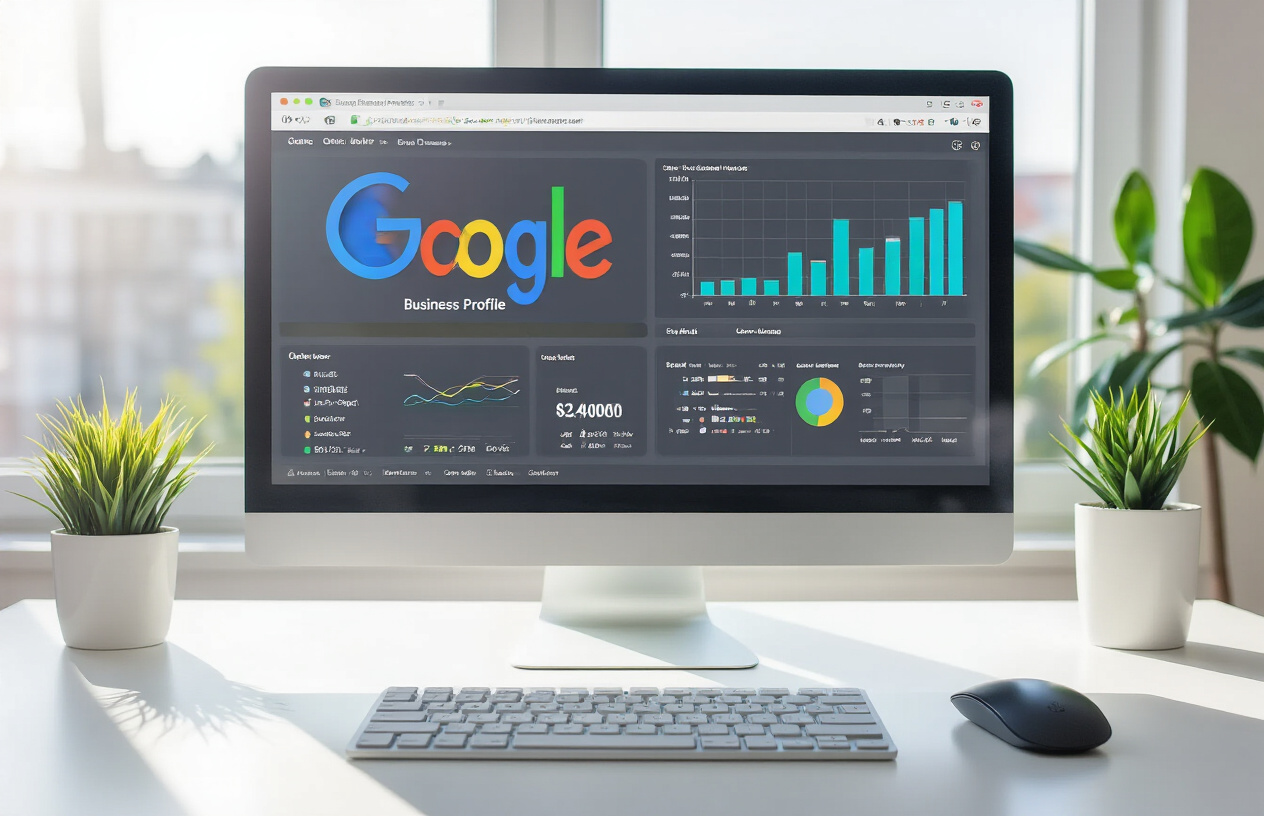
Getting to your GBP insights is straightforward once you know where to look. Start by logging into your Google Business Profile through business.google.com or the Google My Business app on your mobile device. Once you’re in your dashboard, look for the “Insights” tab in the left-hand navigation menu. If you’re using the mobile app, you’ll find it in the main menu under “Insights.”
The insights dashboard presents your data in an organized format with different tabs covering various metrics. You’ll see sections for search queries, customer actions, photos, and direction requests. The interface updates regularly, so your most recent data appears prominently at the top of each section.
For businesses with multiple locations, you’ll need to select the specific location you want to analyze from the dropdown menu at the top of your dashboard. Each location maintains separate insights data, making it easy to compare performance across different branches or service areas.
Understanding the Data Collection Timeline and Requirements
Google requires specific conditions before your GBP insights become available and meaningful. Your business profile needs to be verified and active for at least seven days before insights data starts appearing. During this initial period, Google collects baseline information about your business visibility and customer interactions.
The platform typically shows data for the past 18 months, giving you a comprehensive view of seasonal trends and long-term performance patterns. However, some metrics may have shorter data retention periods, particularly newer features or specialized tracking elements.
Your insights data refreshes daily, but there’s usually a 2-3 day delay in reporting. This means the most recent data you see reflects activity from a few days ago rather than real-time interactions. Understanding this timeline helps you set realistic expectations for tracking the impact of recent optimizations or marketing campaigns.
Certain business categories and locations may have different data collection requirements. Service-area businesses, for example, might see different metrics compared to storefront locations. Google also requires a minimum threshold of search activity before displaying certain insights to protect user privacy.
Ensuring Accurate Data Tracking Through Profile Optimization
Complete profile information directly impacts the accuracy and depth of your GBP insights. Start by filling out every available field in your business profile, including business hours, contact information, website URL, and detailed business description. The more complete your profile, the more comprehensive your insights data becomes.
Your business categories play a crucial role in data accuracy. Choose your primary category carefully, as it determines which metrics Google prioritizes in your insights dashboard. Adding relevant secondary categories helps capture additional search behavior patterns that might otherwise go untracked.
Photo uploads and regular posts significantly improve data collection quality. Google tracks how customers interact with your visual content, and maintaining an active posting schedule provides more touchpoints for gathering customer behavior data. Aim to upload new photos monthly and post updates at least weekly to maximize tracking opportunities.
Consistent NAP (Name, Address, Phone) information across all online platforms improves data attribution. When your business information matches across your website, social media profiles, and directory listings, Google can more accurately track customer journeys and attribute actions to your GBP listing.
Troubleshooting Common Access Issues
Profile verification problems are the most frequent barrier to accessing insights. If you’re not seeing any data after a week of having an active profile, check your verification status in the dashboard. Unverified profiles won’t generate insights, and partially verified profiles may show incomplete data.
Browser compatibility issues sometimes prevent proper dashboard loading. Clear your browser cache and cookies, then try accessing insights in an incognito or private browsing window. Chrome typically provides the most stable experience, but Safari and Firefox should work equally well for most users.
Multiple account access can create confusion in larger organizations. If several team members manage your business profile, make sure you’re logged into the correct Google account that has manager-level access. View-only access may limit which insights sections you can see.
Geographic restrictions occasionally affect insights availability, particularly for businesses operating in multiple countries or regions with varying Google Business Profile features. If certain metrics appear missing, check Google’s current feature availability for your specific location and business type.
Data discrepancies between your insights and other analytics platforms are normal due to different tracking methodologies. Google’s insights focus specifically on interactions that happen through your business profile, while tools like Google Analytics track broader website behavior. These differences don’t indicate errors but rather represent different aspects of your customer journey.
Analyzing Customer Search and Discovery Patterns

Interpreting how customers find your business online
GBP insights reveal exactly how potential customers discover your business through Google’s ecosystem. The discovery data shows whether people found you through direct searches (typing your business name specifically) or through category searches (looking for “pizza delivery near me” or “auto repair shop”). This distinction matters because it tells you whether your brand recognition is strong or if you’re competing primarily on service category keywords.
The search queries section breaks down the actual terms people use to find your business. You’ll see branded searches alongside generic service searches, giving you a clear picture of your visibility in both areas. Pay attention to misspellings of your business name – these appear more often than you’d expect and represent missed opportunities if your GBP optimization doesn’t account for common variations.
Photo views and website clicks from your listing provide another layer of discovery insight. High photo engagement usually correlates with increased foot traffic, while website clicks show digital intent. Track which photos generate the most views to understand what visual elements attract your target audience.
Identifying peak search times and seasonal trends
GBP insights for local SEO include detailed timing data that reveals when customers actively search for your services. The insights dashboard shows search volume by day of the week and hour, creating a heat map of customer interest. Restaurants typically see lunch and dinner spikes, while service businesses often peak during business hours when people plan appointments.
Seasonal patterns emerge over longer periods, showing quarterly or monthly fluctuations in search volume. HVAC companies see summer and winter peaks, while tax preparers experience their busy season from January through April. Understanding these cycles helps you adjust your marketing spend and content calendar accordingly.
Local SEO insights also reveal unexpected patterns. Some businesses discover their busiest online search periods don’t align with their actual customer volume, indicating opportunities to capture more business during high-intent search times through targeted promotions or extended hours.
Understanding direct versus discovery searches
Direct searches happen when customers already know your business name and search specifically for you. Discovery searches occur when people look for your service category without knowing your business exists. GBP analytics track both types, giving you a complete picture of brand awareness versus market capture.
A healthy business typically sees a mix of both search types. Too many direct searches might indicate you’re not capturing enough new customers from category searches. Too few direct searches suggest weak brand recognition in your local market. The ideal ratio depends on your business age, marketing budget, and competitive landscape.
Discovery searches often convert at different rates than direct searches. People conducting category searches are usually earlier in their buying journey and might compare multiple options. Direct searchers often have higher intent and convert more quickly. Track conversion rates for each search type to optimize your customer acquisition strategy.
Leveraging location-based search data
Geographic search data within GBP insights shows exactly where your customers live and work when they search for your business. This information helps refine your service area targeting and identifies expansion opportunities. You might discover customers traveling from unexpected areas, suggesting marketing potential in those neighborhoods.
Distance data reveals your effective service radius. Most businesses see search volume decrease with distance, but some services maintain strong pull from further away. Professional services, specialty retailers, and unique restaurants often attract customers from broader geographic areas than typical local businesses.
The location insights help optimize your local SEO strategy by showing which areas generate the most searches but might be underserved by your current marketing efforts. If you see strong search volume from a specific zip code but low conversion rates, investigate whether your business hours, delivery area, or local advertising needs adjustment for that market.
Optimizing Based on Customer Actions and Engagement Metrics

Tracking Website Clicks and Call Conversions
Website clicks and phone calls represent your most valuable conversion actions in GBP insights for local SEO. These metrics tell you exactly when potential customers move beyond browsing to taking meaningful action. Your GBP insights dashboard tracks both direct website visits from your profile and phone calls initiated through your listing.
Website click data reveals which days and times drive the most traffic to your site. You might discover that Tuesday afternoons generate 40% more website visits than other weekdays, allowing you to schedule important content updates or promotions accordingly. This gbp analytics information helps you align your marketing efforts with peak interest periods.
Phone call tracking offers even deeper insights into customer intent. Calls typically indicate higher purchase intent than website clicks, making them incredibly valuable for local businesses. Monitor your call patterns to identify seasonal trends, popular service inquiries, and optimal business hours for customer engagement.
The conversion path analysis within your GBP insights shows how customers discover your business before calling or visiting your website. Some find you through direct searches for your business name, while others discover you through category searches like “plumber near me.” Understanding these search patterns helps optimize your gbp optimization strategy for better local SEO performance.
Analyzing Direction Requests and Foot Traffic Patterns
Direction requests serve as a powerful predictor of actual store visits and represent one of the strongest intent signals in local seo insights. When someone requests directions to your business, they’re actively planning a visit, making this metric crucial for brick-and-mortar establishments.
Your GBP insights reveal direction request patterns that correlate with real foot traffic. Peak direction request times often align with your busiest in-store periods, but sometimes reveal untapped opportunities. If you receive many direction requests on Sunday mornings but experience low foot traffic, you might have staffing or hour optimization opportunities.
Geographic data within direction requests shows where your customers travel from, helping you understand your true service area. This local insights tool functionality reveals whether your marketing efforts should focus on nearby neighborhoods or if you’re successfully attracting customers from farther distances.
Seasonal direction request patterns help with inventory planning, staffing decisions, and promotional timing. A restaurant might notice direction requests spike before major holidays, while a retail store could see weekend patterns that inform their operating hours and staff scheduling.
Monitoring Photo Views and Engagement Rates
Photo engagement metrics in your gbp audit for local seo provide valuable insights into visual content performance and customer preferences. High photo view counts indicate strong customer interest, while low engagement suggests your visual content needs improvement.
Your most-viewed photos reveal what attracts customer attention. Interior shots of your restaurant, before-and-after service photos, or product displays might generate significantly more views than exterior building shots. This data guides your visual content strategy and helps prioritize which types of photos to upload regularly.
Customer-uploaded photos often receive higher engagement than business-posted images, appearing more authentic and trustworthy. Monitor the ratio of customer photos to business photos, and encourage satisfied customers to share their experiences visually. These user-generated images boost credibility and provide fresh content for your profile.
Photo engagement rates vary by business type and customer demographics. A fitness studio might find workout result photos generate high engagement, while a law firm might see office photos perform better than individual headshots. Use these seo gbp insights to refine your visual marketing approach and create content that resonates with your target audience.
Compare photo performance across different categories – menu items versus restaurant ambiance, product shots versus team photos, or service demonstrations versus facility tours. This analysis reveals content preferences specific to your customer base and industry, informing your broader local seo strategy 2023 approach.
Using Insights Data to Enhance Your Content Strategy
Creating posts that align with customer interests
Your GBP insights reveal exactly what your audience cares about most. When customers search for your business, they leave digital breadcrumbs showing their true interests and pain points. Smart business owners dig into this goldmine of data to create content that actually resonates.
Start by examining the search queries that lead people to your business profile. If you’re a restaurant and notice frequent searches for “gluten-free options” or “outdoor seating,” these become your content pillars. Create posts showcasing your gluten-free menu items or highlighting your beautiful patio space during peak dining seasons.
The photos customers view most often tell another story. High engagement on images of specific products, services, or areas of your business signals strong interest. A fitness center might discover that photos of their yoga studio get triple the views compared to weightlifting equipment shots. This insight should drive content creation toward yoga-related posts, instructor spotlights, and class schedules.
Customer questions section provides direct feedback about information gaps. If multiple people ask about parking availability, pricing, or specific services, address these topics through regular posts. This proactive approach reduces repetitive inquiries while improving customer experience.
Timing your content based on audience activity
GBP insights show when your audience is most active, transforming your posting strategy from guesswork into data-driven precision. The platform tracks when users view your profile, engage with posts, and take actions like calling or visiting your website.
Peak engagement times vary dramatically by industry and location. A coffee shop might see morning rushes reflected in their insights, while a restaurant experiences evening spikes. Local seo insights reveal these patterns clearly, showing exactly when your target audience is most likely to see and interact with your content.
Schedule posts to go live 30-60 minutes before these peak activity windows. This timing allows your content to appear fresh in feeds when your audience is most engaged. For businesses with multiple peak periods, create a content calendar that addresses different audience needs throughout the day.
Consider weekly patterns too. B2B service providers often see higher engagement during weekdays, while entertainment venues might peak on weekends. Your gbp analytics will show these trends specific to your business and local market conditions.
Selecting keywords from actual customer searches
Real customer search data beats keyword research tools every time. Your GBP insights dashboard shows the exact phrases people type when looking for businesses like yours. These aren’t theoretical keywords – they’re proven terms that drive actual traffic to your profile.
Export your search query data and identify patterns in language customers use. They might say “car repair” instead of “automotive service” or “kids birthday parties” rather than “children’s entertainment.” These subtle differences matter enormously for local seo gbp optimization.
Long-tail phrases often appear in your search data that wouldn’t surface in traditional keyword tools. A bakery might discover customers search for “custom graduation cakes same day” or “sugar-free desserts near me.” These specific phrases represent high-intent searches perfect for content targeting.
Geographic modifiers in your search data reveal how customers think about location. Some might search with neighborhood names, others with landmarks, and some with broader city terms. Understanding this language helps you optimize content for how real people actually search, not how SEO tools suggest they should search.
Developing location-specific content themes
Your local market has unique characteristics that generic content can’t address. GBP insights help identify location-specific opportunities that competitors might miss. Customer behavior patterns, seasonal trends, and local events all create content opportunities.
Weather patterns affect local businesses differently. A landscaping company in Phoenix faces different seasonal challenges than one in Seattle. Your insights data shows when customers are most active, often correlating with weather, local events, or seasonal business cycles. Build content themes around these patterns.
Local landmarks, neighborhoods, and community events frequently appear in customer searches and questions. Create content series that highlight your connection to specific areas you serve. A plumbing company might develop neighborhood-specific guides: “Common Plumbing Issues in Historic Downtown” or “New Construction Plumbing in Suburban Developments.”
Community involvement creates authentic local content opportunities. If insights show customers asking about your involvement in local charities or events, develop regular content highlighting these connections. This approach strengthens local seo strategy while building genuine community relationships.
Monitor local competitors through insights data to identify content gaps. If customers frequently compare your business to specific competitors, create content that addresses these comparisons directly and professionally, highlighting your unique value proposition for the local market.
Improving Local SEO Rankings Through Data-Driven Decisions

Identifying and filling content gaps revealed by insights
Your GBP insights reveal exactly what customers search for when they find your business, and this goldmine of data exposes content gaps you never knew existed. When you dig into the search queries bringing people to your profile, you’ll discover questions your website doesn’t answer and services you haven’t properly highlighted.
Start by analyzing the “How customers search for your business” section in your GBP analytics. Look for searches that include terms like “near me,” specific service combinations, or problem-solving phrases. If customers frequently search for “emergency plumbing repair” but your website only mentions general plumbing services, you’ve found a content gap that’s costing you conversions.
Create dedicated landing pages or blog posts targeting these high-performing search terms. When your GBP insights show customers searching for “24-hour locksmith downtown,” but your current content doesn’t emphasize emergency availability or location-specific services, you’re missing opportunities to rank higher in local search results.
The beauty of using gbp insights for local seo lies in this direct customer feedback loop. Unlike guessing what people want, you’re working with actual search behavior data. This approach to gbp optimization ensures your content strategy aligns perfectly with customer demand rather than assumptions.
Adjusting business hours based on customer demand patterns
Customer action data in your GBP insights shows exactly when people call, request directions, or visit your website. This behavioral data reveals optimal operating hours that many businesses completely overlook when planning their schedules.
Look at your “Customer actions” metrics and identify peak activity times. If you’re getting the most website clicks and direction requests on Tuesday evenings or Saturday mornings, but you’re closed during these times, you’re literally turning away ready-to-buy customers.
Many local businesses discover surprising patterns through their gbp analytics. A coffee shop might find their highest digital engagement happens at 6 AM, suggesting they should open earlier to capture the morning commute crowd. A fitness center might see website traffic spikes at 9 PM, indicating potential members are researching after traditional business hours.
Adjusting your hours based on these insights directly impacts your local seo rankings. Google favors businesses that are available when customers need them most. When your actual operating hours match customer demand patterns shown in your insights, you’re sending strong relevance signals to search algorithms.
Consider implementing extended hours during peak digital engagement times, even if it’s just for phone availability or online consultations. This data-driven approach to business operations improves both customer satisfaction and search visibility.
Optimizing your business categories and attributes
GBP insights reveal how customers actually categorize your business versus how you’ve classified yourself, and this disconnect often hurts local search performance. Your insights data shows the exact terms customers use when searching for businesses like yours, providing clear direction for category optimization.
Review the search queries bringing traffic to your profile and compare them against your current primary and secondary categories. If customers consistently search for “dog grooming” but you’ve only selected “pet store” as your category, you’re missing targeted traffic and ranking opportunities.
Business attributes deserve equal attention in your gbp optimization strategy. Your insights might show customers frequently search for specific amenities like “wheelchair accessible” or “outdoor seating,” but if these attributes aren’t properly set in your profile, you’re invisible to those searches.
The key is matching your category and attribute selections to actual customer search behavior rather than your internal business description. A restaurant owner might think of their establishment as “fine dining,” but if insights show customers search for “family restaurant with kids menu,” the latter category will drive more relevant traffic.
Regular gbp audit for local seo should include quarterly reviews of categories and attributes against current insights data. Search behavior evolves, and your business classification should evolve with it. This ongoing optimization based on real customer data strengthens your local seo strategy and ensures you’re capturing all available traffic opportunities.
Integrating GBP Insights with Your Broader Marketing Strategy

Connecting insights data with social media campaigns
Your GBP insights contain goldmine information about when customers search for your business and what they’re looking for. This data becomes incredibly powerful when you sync it with your social media strategy. Check your peak search times in GBP analytics – if customers find you most often on Tuesday afternoons, that’s prime time to boost your Facebook or Instagram posts.
Look at the search queries driving traffic to your profile. If “emergency plumbing” shows up frequently, create social content around those exact pain points. Your GBP insights for local SEO reveal customer intent, which translates perfectly into social media content that actually resonates.
Track which photos get the most views in your GBP insights dashboard. These visual preferences should guide your Instagram feed and Facebook photo strategy. Popular service images from your profile often perform well when repurposed across social platforms.
Aligning paid advertising with organic discovery patterns
Smart businesses use their organic GBP optimization data to inform paid campaigns. Your insights show exactly when people discover your business organically – mirror these patterns in your ad scheduling. If your local insights report shows heavy traffic during lunch hours, concentrate your Google Ads budget during those windows.
The search terms bringing organic visitors through GBP should become keywords in your paid campaigns. This creates a unified approach where your SEO GBP efforts complement your advertising spend. When someone searches for “coffee near me” and finds you organically, having paid ads for the same terms reinforces your presence.
Geographic data from GBP shows which neighborhoods drive the most engagement. Use this intel to refine your location targeting in paid campaigns, focusing budget on areas where you already see strong organic performance.
Coordinating email marketing with peak engagement times
Your GBP insights reveal when customers are most active and engaged with local businesses like yours. These patterns should drive your email send times. If your local SEO statistics show increased profile views on weekday evenings, schedule your newsletters accordingly.
Customer actions tracked in GBP – like website clicks and direction requests – indicate interest levels throughout the week. Send promotional emails just before your busiest discovery periods to maximize impact. When someone’s already thinking about local services, your email lands at the perfect moment.
The questions customers ask in your GBP messages often reveal common concerns. Address these topics in your email content, creating a seamless experience between GBP interactions and email communications.
Measuring ROI across multiple marketing channels
Track how GBP optimization efforts boost performance across all channels. When you improve your local SEO insights and rankings, monitor increases in social media followers, email subscribers, and paid campaign performance. Better local visibility creates a rising tide effect.
| Channel | GBP Impact Metrics | Measurement Method |
|---|---|---|
| Social Media | Follower growth during GBP spikes | Monthly comparison |
| Subscriber increases from local searches | Source tracking | |
| Paid Ads | Improved Quality Scores | Google Ads dashboard |
| Website | Direct traffic correlation | Google Analytics |
Use UTM parameters on links shared through GBP to track which insights-driven decisions generate the most website traffic and conversions. This creates a clear connection between your GBP in marketing strategy and actual revenue.
Set up conversion tracking that connects GBP discoveries to final sales. When customers find you through local search, follow their journey through social media, email, or paid ads to understand the complete customer path and optimize each touchpoint accordingly.
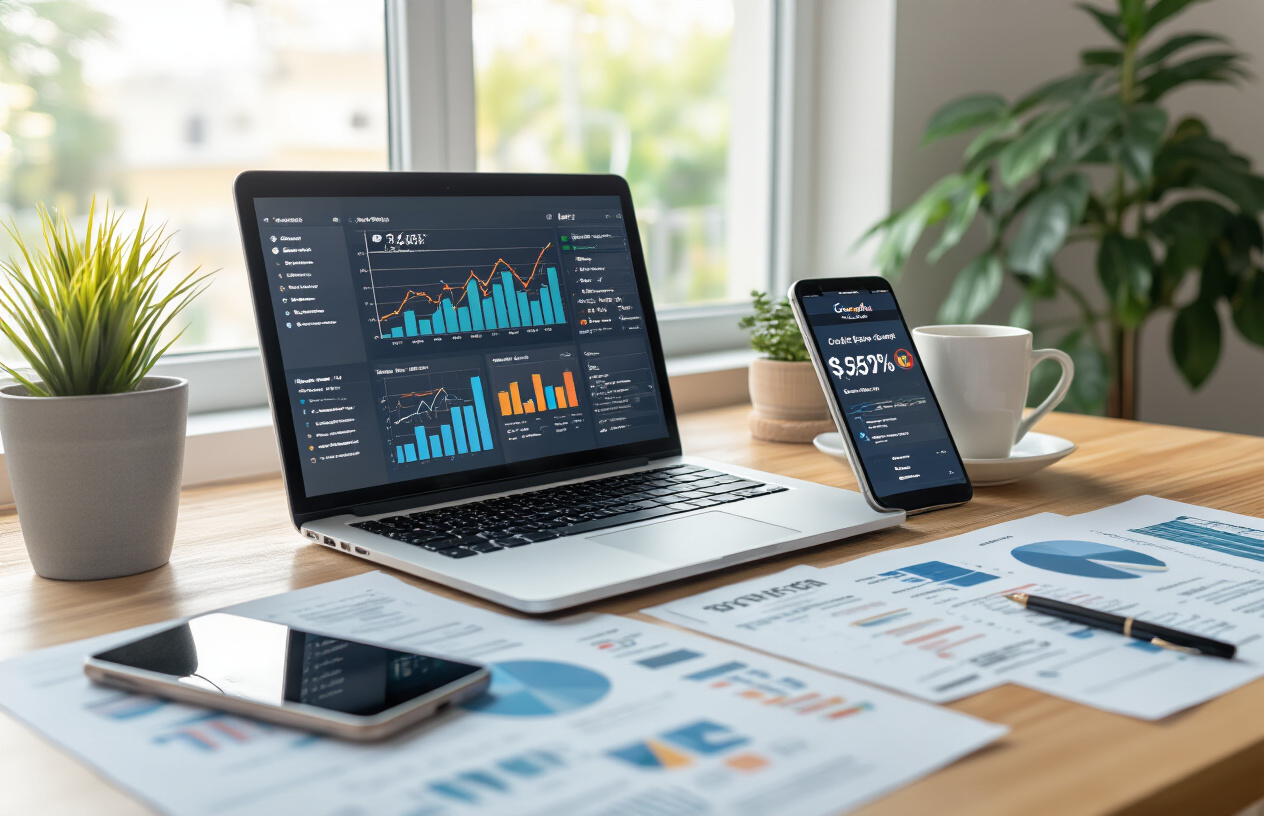
Google Business Profile Insights give you a clear picture of how customers find and interact with your business online. By tracking search patterns, engagement metrics, and customer actions, you can spot what’s working and what needs improvement in your local SEO efforts. The data shows you exactly where your traffic comes from and how people engage with your business listing, making it easier to create content that actually connects with your audience.
Taking action on these insights can seriously boost your local search rankings and overall marketing results. Use the discovery data to refine your keyword strategy, pay attention to engagement patterns to improve your posting schedule, and let customer behavior guide your content creation. When you combine GBP insights with your other marketing channels, you create a stronger, more targeted approach that drives real business growth. Start checking your insights regularly and making small adjustments based on what the data tells you – your local visibility will thank you for it.
FAQs
What is GBP Insights and why should I care about it?
GBP Insights is a free analytics tool from Google that shows you how customers find and interact with your Google Business Profile. You should care because it gives you real data about how people discover your business online, what they’re looking for, and how you can improve your local search presence.
Where can I find my GBP Insights data?
You can access your insights by logging into your Google Business Profile account and clicking on the “Insights” tab on the left sidebar. The data is available for free to all verified business owners.
What kind of information does GBP Insights actually show me?
The tool shows you how customers search for your business (direct searches vs discovery searches), where they find you (Google Search vs Google Maps), what actions they take (calls, website visits, direction requests), your busiest hours and days, and how your photos are performing.
How can I use search query data to improve my local SEO?
Look at the search terms people use to find your business and make sure these words appear naturally in your business description, posts, and website content. If people search for “best pizza delivery” and find you, make sure your profile mentions pizza delivery prominently.
What’s the difference between direct searches and discovery searches?
Direct searches happen when people look for your business by name or address. Discovery searches occur when people search for products or services you offer, like “plumber near me.” More discovery searches usually mean better local SEO performance.
How do I know if my Google Business Profile photos are working well?
GBP Insights shows you photo views and compares your performance to similar businesses. If your photos get more views than average, they’re doing their job. Low photo views might mean you need better quality images or more variety.
What should I do if my insights show low engagement?
Start by posting regularly on your Google Business Profile, respond to reviews quickly, add new photos weekly, and make sure your business hours and contact information are always current. These simple actions often boost engagement significantly.
How often should I check my GBP Insights data?
Check your insights weekly to spot trends and monthly to make bigger strategy decisions. The data updates regularly, so frequent checking helps you catch problems early and see what’s working.
Can I use insights data to improve my regular website and marketing?
Absolutely. The search terms that bring people to your Google Business Profile are probably the same ones they use to find your website. Use this keyword data to improve your website content and other marketing materials.
What’s the biggest mistake businesses make with GBP Insights?
The biggest mistake is collecting the data but not acting on it. Many business owners look at the numbers but don’t change anything about their profile or marketing approach. The real value comes from using insights to make specific improvements to how you present your business online.