Getting your content to appear in Google’s featured snippets can dramatically boost your organic traffic and establish your site as an authority. Learning how to write titles for featured snippets gives content creators, SEO professionals, and digital marketers a competitive edge in search results.
Featured snippets – those boxed answers at the top of Google search results – can increase your click-through rates by up to 35% and put your content ahead of even the highest-ranking pages. The secret lies in crafting titles that Google’s algorithm recognizes as perfect answers to searchers’ questions.
In this guide, we’ll explore proven research methods to identify featured snippet opportunities in your niche and reveal the essential elements that make snippet-optimized titles irresistible to Google. You’ll also discover specific writing techniques that maximize your snippet visibility and learn technical optimization strategies that help your titles consistently rank in position zero.
Understanding Featured Snippets and Their SEO Value
What featured snippets are and how they appear in search results
Featured snippets are special search results that Google displays at the very top of search pages, above traditional organic listings. These snippets pull content directly from web pages and present it in a highlighted box format, often called “position zero.” When you search for something like “how to boil an egg,” Google might extract a step-by-step answer from a cooking website and display it prominently before showing regular search results.
These snippets typically include a brief answer, the source website’s URL, and the page title. They appear in various formats – sometimes as a paragraph of text, other times as a bulleted list or numbered steps. The key feature is that Google automatically selects and formats this content to directly answer the searcher’s question without requiring them to click through to the original website.
Google’s algorithm chooses featured snippets based on relevance, content quality, and how well the information matches the search intent. Creating titles for featured snippets requires understanding that Google often pulls from well-structured content with clear headings and concise answers.
Why featured snippets drive more organic traffic than regular rankings
Featured snippets occupy prime real estate on search results pages, appearing above all other organic listings. This positioning creates an immediate visibility advantage that traditional rankings can’t match. When your content appears in a featured snippet, it gets significantly more exposure than even the first organic result below it.
Voice search has amplified this advantage. When people use voice assistants like Siri or Alexa, these devices often read featured snippet content as their primary response. This means featured snippet SEO becomes crucial for capturing voice search traffic, which continues growing rapidly.
The trust factor also plays a significant role. Google’s selection of your content for a featured snippet acts as an implicit endorsement, suggesting to users that your information is authoritative and reliable. This perception translates into higher click-through rates even when users do visit other results on the page.
Search behavior studies show that featured snippets often satisfy user queries completely, but when users need more detailed information, they’re more likely to click on the source that provided the snippet. This creates a compound benefit where you capture both immediate visibility and qualified traffic from users seeking deeper information.
Different types of featured snippets Google displays
Google presents featured snippets in several distinct formats, each serving different types of search queries and user intents. Understanding these formats helps you craft titles for featured snippets that align with how Google structures information.
Paragraph snippets appear most frequently, typically answering “what is” or “why” questions. These snippets extract 40-60 words from your content and display them in a text block. They work well for definitions, explanations, and brief how-to answers.
List snippets come in two varieties: bulleted lists for unordered information and numbered lists for sequential steps. These snippets excel at capturing searches like “benefits of” or “steps to” queries. Google automatically formats your content into list format, even if your original content uses paragraph structure.
Table snippets organize comparative information in rows and columns. They typically appear for searches involving prices, specifications, or comparisons between multiple items. Google extracts data from existing tables on your page or creates tables from well-structured content.
Video snippets feature thumbnail images with timestamps, directing users to specific moments in videos that answer their questions. These require optimized video titles and detailed descriptions that match search queries.
Each format requires different optimization approaches for featured snippet titles, but they all prioritize clear, direct answers to specific user questions.
How featured snippets impact click-through rates and brand visibility
Featured snippets create a complex relationship between visibility and click-through rates that differs significantly from traditional search results. While they increase brand exposure dramatically, they can also reduce clicks since users sometimes find their answers without visiting your website.
Studies indicate that featured snippets can decrease overall clicks to the featured page by 5-15%, but they simultaneously increase brand recognition and establish topical authority. The trade-off often benefits websites in the long run, especially when users return for related searches or recommend the brand to others.
The brand visibility impact extends beyond immediate search results. Featured snippets position your brand as an authority in your field, creating mental associations between your website and expertise in specific topics. This positioning proves valuable for building long-term organic traffic and customer trust.
Title optimization for featured snippets becomes crucial because your page title appears prominently in the snippet box. A well-crafted title can influence whether users click through for more information, even when the snippet provides a complete answer. Titles that hint at additional valuable information or unique perspectives tend to maintain higher click-through rates.
The cumulative effect of multiple featured snippets creates what SEO professionals call “topic cluster authority.” When your content appears in snippets for related searches, Google begins associating your domain with expertise in that subject area, improving your chances of ranking for similar queries and capturing broader organic traffic growth.
Research Methods to Identify Featured Snippet Opportunities
Using Google Search Console to find existing snippet rankings
Google Search Console serves as your primary detective tool for uncovering hidden featured snippet titles opportunities. Navigate to the Performance report and filter results by clicking on “Search Appearance” then selecting “Featured Snippets.” This reveals queries where your content already appears in position zero, giving you concrete data about which titles for featured snippets are working.
Pay attention to queries showing high impressions but lower click-through rates – these represent prime optimization opportunities. Your content might be appearing in snippets, but the titles aren’t compelling enough to drive clicks. Export this data and create a spreadsheet tracking snippet performance by URL and query.
The “Queries” tab shows exactly which search terms trigger your featured snippets. Look for patterns in successful queries to understand what makes your featured snippet titles effective. You’ll often discover long-tail keywords you hadn’t considered that are driving snippet visibility.
Analyzing competitor content that already ranks in position zero
Start by identifying your main competitors who consistently appear in featured snippets for your target keywords. Use incognito browsing to search for industry-related questions and note which domains dominate position zero results.
Create a competitive analysis spreadsheet documenting:
- Snippet format (paragraph, list, table)
- Title structure and character count
- Content organization and heading hierarchy
- Question-answer patterns used
Study how competitors structure their titles that appear in Google featured snippets. Notice whether they use question formats, numbered lists, or declarative statements. Many successful snippet titles follow the pattern “How to [Action] + [Specific Benefit]” or “[Number] Ways to [Solve Problem].”
Tools like Ahrefs, SEMrush, or Moz can show you which competitors rank for featured snippets in your niche. Filter results to show only position zero rankings, then analyze the corresponding page titles and content structure.
Leveraging keyword research tools to discover snippet-worthy queries
Modern keyword research tools have evolved to specifically identify featured snippet SEO opportunities. Ahrefs’ Keywords Explorer includes a “SERP features” filter that shows queries with featured snippets. SEMrush offers similar functionality through their “Featured Snippets” report.
Focus on question-based keywords with moderate competition levels. These queries often represent the sweet spot for snippet optimization – competitive enough to drive traffic but not dominated by major publishers. Look for keywords with these characteristics:
| Query Type | Example | Snippet Potential |
|---|---|---|
| How-to questions | “how to write titles for featured snippets” | High |
| Definition queries | “what are featured snippets” | High |
| Comparison searches | “best vs worst featured snippet titles” | Medium |
| List-based queries | “types of featured snippet formats” | High |
Answer The Public and AlsoAsked.com specifically generate question-based queries that often trigger featured snippets. These tools reveal the exact questions your audience asks, providing a goldmine for optimizing titles for featured snippets.
Identifying question-based search patterns in your niche
Question-based searches drive the majority of featured snippet results, making pattern identification crucial for creating titles for rich results. Start by analyzing your industry’s common pain points and information gaps.
Monitor forums, social media groups, and customer support tickets to identify recurring questions. Reddit, Quora, and industry-specific communities often reveal questions that don’t appear in traditional keyword tools but represent real search behavior.
Create question categories based on search intent:
- Informational: “What is…” or “Why does…”
- Instructional: “How to…” or “Steps to…”
- Comparative: “Best…” or “[A] vs [B]”
- Problem-solving: “How to fix…” or “Solutions for…”
Use Google’s “People Also Ask” sections as research goldmines. These questions directly reflect what users search for and often trigger their own featured snippets. Expand these sections during your research to uncover deeper question layers.
Voice search optimization plays a growing role in question pattern identification. Voice queries tend to be longer and more conversational, often starting with “how,” “what,” “where,” or “when.” These natural language patterns frequently trigger featured snippets and should inform your best titles for featured snippets strategy.
Essential Elements of Snippet-Optimized Titles
Incorporating Target Keywords Naturally Within Title Structure
Creating titles for featured snippets requires a delicate balance between keyword optimization and natural readability. The most effective approach involves weaving your primary keywords seamlessly into the title without forcing awkward phrasing that disrupts user experience.
Start by identifying your core keyword phrase and consider variations that users might search for. If you’re targeting “how to bake chocolate chip cookies,” your title could naturally incorporate this phrase while maintaining conversational flow: “How to Bake Perfect Chocolate Chip Cookies in 30 Minutes.”
Position your most important keywords near the beginning of the title when possible. Search engines give more weight to words that appear earlier, and featured snippet titles that lead with relevant keywords tend to perform better. However, avoid keyword stuffing – Google’s algorithms are sophisticated enough to recognize and penalize unnatural keyword placement.
Consider using semantic variations and related terms throughout your title structure. Instead of repeating the exact keyword multiple times, use synonyms and related phrases that expand your semantic footprint while keeping the title readable and engaging.
Using Question Formats That Match User Search Intent
Question-based titles align perfectly with how people naturally search for information, making them ideal for optimizing titles for featured snippets. Most featured snippets appear in response to question-based queries, so structuring your titles as questions increases your chances of ranking.
The five W’s and H format works exceptionally well: Who, What, When, Where, Why, and How. These question starters match common search patterns and help Google understand the intent behind your content. For example, “What Are the Best Practices for Email Marketing?” directly addresses user curiosity and search behavior.
Match your question format to the specific type of information users seek. “How-to” questions work well for instructional content, while “What is” questions suit definitional content. “Why” questions excel for explanatory content, and “When” questions work for time-sensitive topics.
Consider the search volume and competition for different question variations. Sometimes a slightly modified question format can target a less competitive but equally valuable search query. Use tools like Google’s “People Also Ask” section to discover related questions users are searching for.
Keeping Titles Concise While Maintaining Descriptive Clarity
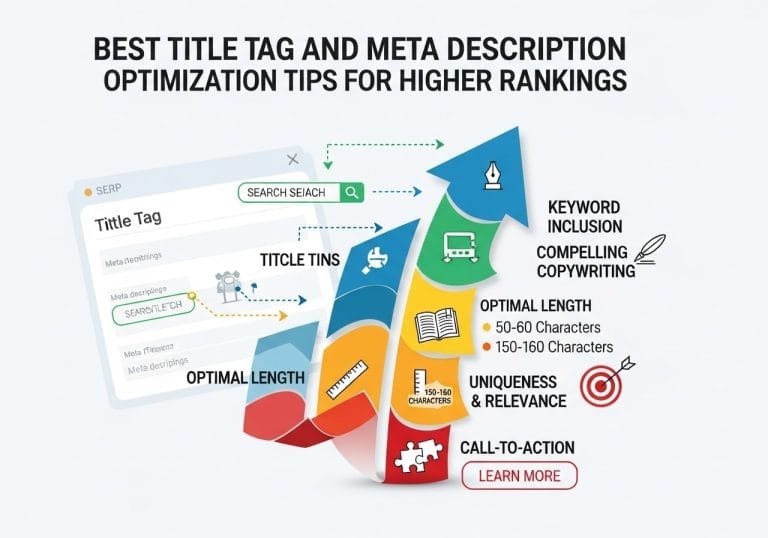
Featured snippet SEO demands titles that pack maximum information into minimal space. Google typically displays 50-60 characters in search results, though featured snippets sometimes allow for slightly longer titles. Aim for 40-55 characters to ensure your full title appears across different devices and contexts.
Every word in your title should serve a purpose. Remove unnecessary articles, prepositions, and filler words that don’t add value or clarity. Instead of “A Complete Guide to Understanding Social Media Marketing,” try “Complete Social Media Marketing Guide” – shorter but equally informative.
Use specific numbers and time frames when relevant. 7 Proven Email Marketing Strategies” is more compelling and descriptive than “Email Marketing Strategies That Work.” Numbers add concrete value and help users understand exactly what they’ll get from your content.
Create titles that work as standalone pieces of information. Even if users only see your title in the featured snippet, they should understand what your content offers. This clarity helps with both search ranking and click-through rates.
Including Power Words That Increase Click-Through Potential
Power words in title optimization for featured snippets create emotional triggers that compel users to click while maintaining the informational value Google seeks. These words add urgency, curiosity, or authority without compromising the title’s primary purpose.
Words like “proven,” “essential,” “ultimate,” and “complete” suggest comprehensive, authoritative content. “Quick,” “instant,” and “simple” appeal to users seeking efficient solutions. “Secret,” “hidden,” and “surprising” create curiosity gaps that drive clicks.
Action-oriented power words like “discover,” “master,” “unlock,” and “transform” suggest active learning and positive outcomes. These words work particularly well in how-to and instructional titles that commonly appear in featured snippets.
Balance power words with factual, descriptive language. A title like “7 Secret SEO Techniques That Actually Work” combines the curiosity trigger “secret” with the credibility indicator “actually work” and the specificity of “7 techniques.”
Avoid overusing power words or combining too many in a single title. One or two strategically placed power words create impact, while too many can make your title seem spammy or clickbait-y, which Google’s algorithms increasingly penalize.
Test different combinations of power words with your target keywords to find the sweet spot between emotional appeal and search optimization. Monitor your click-through rates to identify which power words resonate most with your audience.
Writing Techniques for Maximum Snippet Visibility

Structuring titles to answer specific user questions directly
The secret to writing titles for featured snippets lies in thinking like your audience. When someone types a question into Google, they want immediate answers. Your titles should mirror the exact phrasing people use when searching.
Start by transforming your titles into complete answers rather than vague topics. Instead of “Email Marketing Benefits,” craft something like “5 Ways Email Marketing Increases Sales for Small Businesses.” This approach directly addresses the “how” and “why” questions that trigger featured snippets.
Question-based titles work exceptionally well because Google’s algorithm recognizes them as direct responses to user queries. Featured snippet titles that begin with “How to,” “What is,” “Why does,” or “When should” have significantly higher chances of being selected. These formats match the natural language patterns people use when seeking information.
The key is specificity. Generic titles like “SEO Tips” get lost in the shuffle, but “How to Improve SEO Rankings in 30 Days” tells Google exactly what question you’re answering. This precision helps the algorithm understand your content’s relevance to specific searches.
Using numbered lists and step-by-step formatting in titles
Numbers act like magnets for featured snippet SEO because they promise organized, digestible information. Google’s algorithm favors titles that suggest structured content, making numbered formats incredibly powerful for snippet optimization.
Titles that appear in Google featured snippets often include specific numbers like “7 Steps,” “10 Ways,” or “5 Methods.” These formats signal to Google that your content provides comprehensive, well-organized answers. The algorithm interprets numbered titles as reliable sources for step-by-step guidance.
Step-by-step formatting goes beyond simple numbers. Titles like “Step-by-Step Guide to Building a Website” or “Complete Process for Starting a Podcast” indicate thorough, actionable content. Google prioritizes these because they match user intent for detailed instructions.
Consider the difference between “Content Marketing Strategies” and “7 Proven Content Marketing Strategies That Generate Leads.” The second version not only includes a number but also specifies the outcome, making it more likely to capture featured snippet ranking titles.
Your numbered titles should promise realistic, achievable outcomes. Avoid inflated claims like “100 Ways” unless you genuinely deliver that many actionable points. Google’s algorithm has become sophisticated at detecting when titles overstate their content value.
Creating comparison-based titles that trigger snippet algorithms
Comparison titles tap into one of the most common search intents: evaluation. When people search “iPhone vs Android” or “WordPress vs Squarespace,” they’re actively comparing options, making these perfect opportunities for optimizing titles for featured snippets.
Structure your comparison titles using clear “versus” language or alternative formats like “X or Y: Which is Better?” These formats immediately signal to Google that your content addresses comparative queries. The algorithm recognizes these patterns and often selects them for featured snippets when users search for product or service comparisons.
Best titles for featured snippets in the comparison category include specific criteria. Instead of “Social Media Platforms Comparison,” try “Facebook vs Instagram vs TikTok: Which Platform Drives More Sales?” This approach targets searchers looking for specific comparison criteria.
| Comparison Title Format | Example | Why It Works |
|---|---|---|
| A vs B: Which is Better | WordPress vs Shopify: Which is Better for Online Stores | Directly answers user’s decision-making query |
| A or B for [Specific Use] | Gmail or Outlook for Business Email | Targets specific use cases |
| Pros and Cons of A vs B | Pros and Cons of Renting vs Buying a Home | Appeals to thorough researchers |
The effectiveness of comparison titles comes from their ability to capture users at the decision-making stage. These searchers have high intent and specific needs, making them valuable for both traffic and conversions. Creating titles for rich results through comparison formats requires understanding what alternatives your audience considers and addressing their decision factors directly.
Technical Optimization Strategies for Featured Snippet Success
Implementing proper header tag hierarchy for content structure
Header tags play a crucial role in how Google understands and extracts content for featured snippets. Your titles for featured snippets work best when they’re part of a logical content structure that search engines can easily parse.
Start with a clear H1 tag that contains your primary keyword, then use H2 tags for major sections. For featured snippet titles, H2 and H3 tags are particularly important because Google often pulls these as the snippet heading. Each header should describe what follows in the content below.
Keep your headers concise and descriptive. Instead of vague titles like “More Information,” use specific headers like “5 Steps to Optimize Images” or “Common SEO Mistakes to Avoid.” This approach helps Google match your content to user queries more effectively.
Structure your content so that each header introduces a complete answer or solution. Google favors content that provides immediate value, so your headers should signal that readers will find what they’re looking for in the following paragraphs.
Optimizing meta descriptions to complement snippet-friendly titles
Meta descriptions don’t directly appear in featured snippets, but they influence click-through rates from search results. When creating titles for rich results, your meta description should expand on the promise made in your title.
Write meta descriptions that preview the value users will get from clicking through. If your title promises “7 Ways to Reduce Loading Time,” your meta description should mention specific techniques or results they’ll learn about.
Keep descriptions between 150-160 characters to avoid truncation. Use action words and include your target keyword naturally. The meta description should feel like a natural extension of your snippet-optimized title, creating a cohesive message that encourages clicks.
Using schema markup to enhance content discoverability
Schema markup helps Google better understand your content structure and increases your chances of earning featured snippets. The most relevant schema types for featured snippet SEO include Article, FAQ, HowTo, and Review schemas.
Implement Article schema for blog posts and guides. This markup tells Google about your content’s headline, author, and publication date. FAQ schema works particularly well for content targeting question-based queries, while HowTo schema is perfect for step-by-step guides.
Use JSON-LD format for schema implementation, as Google prefers this method. Focus on marking up the specific sections of content that you want to appear in snippets. Don’t over-markup your content – stick to the most relevant schema types for your content format.
| Schema Type | Best For | Featured Snippet Impact |
|---|---|---|
| FAQ | Question-based content | High |
| HowTo | Step-by-step guides | High |
| Article | Blog posts, news | Medium |
| Review | Product reviews | Medium |
Ensuring mobile-friendly formatting for snippet display
Mobile optimization directly affects featured snippet performance since Google uses mobile-first indexing. Your titles that appear in Google featured snippets must work perfectly on mobile devices.
Format your content with mobile users in mind. Use shorter paragraphs, bullet points, and numbered lists. Mobile screens have limited space, so your key information should be digestible in small chunks. This formatting also makes it easier for Google to extract clean, readable snippets.
Test your content on various mobile devices to ensure proper display. Pay attention to font sizes, line spacing, and how your headers appear on smaller screens. Content that’s hard to read on mobile is less likely to earn featured snippet placement.
Consider how your snippet will look when displayed above search results on mobile. The space is limited, so your most important information should come first. Front-load your answers and make sure the value is clear within the first few lines of any section that could become a featured snippet.
Measuring and Improving Your Featured Snippet Performance

Tracking snippet rankings using Google Search Console data
Google Search Console becomes your best friend when tracking how your titles for featured snippets perform in search results. The Performance report shows exactly which queries trigger your featured snippets, giving you crystal-clear data about your snippet success rate.
Start by filtering your search results to focus on high-impression queries where you rank in positions 1-10. Look for queries where your average position hovers around 1.0 – this often indicates featured snippet wins. The “Search appearance” filter lets you specifically track rich results, though Google doesn’t always categorize featured snippets perfectly here.
Pay attention to impression spikes without corresponding click increases. This pattern often signals that your content appears in a featured snippet but isn’t compelling enough to drive clicks. Your featured snippet titles might need more engaging language or clearer value propositions.
Set up custom alerts for significant ranking changes. When you lose a featured snippet, you’ll know immediately and can investigate whether a competitor improved their title strategy or if Google changed its algorithm preferences.
Monitoring click-through rates and organic traffic increases
Featured snippets create a unique traffic pattern that differs from traditional organic results. While some users get their answers directly from the snippet, quality featured snippet titles actually increase overall click-through rates by establishing authority and trust.
Track your CTR before and after achieving featured snippet status. Most sites see an initial CTR boost of 20-30% when they first capture a snippet, though this can vary based on query intent. Informational queries might see lower CTRs since users find complete answers in the snippet itself.
Use Google Analytics to identify which pages benefit most from featured snippet traffic. Look for pages with sudden organic traffic increases that correlate with snippet wins. Create custom segments to separate snippet-driven traffic from regular organic traffic – this helps you understand the true impact of your title optimization for featured snippets.
Monitor bounce rates carefully. High bounce rates on snippet-winning pages might indicate that your snippet provides complete answers, while lower bounce rates suggest users want more detailed information. Both scenarios are valuable, but they require different content strategies.
A/B testing different title variations for better results
Testing different titles that appear in Google featured snippets requires patience since search engines need time to crawl and evaluate changes. Create a systematic approach by testing one variable at a time – whether that’s question format, keyword placement, or emotional triggers.
Start with high-volume, low-competition queries where you already rank in the top 5. These give you the best shot at quick results. Test variations like:
- Questions vs. statements (“How to Create…” vs. “Creating…”)
- Number-based titles (“5 Ways to…” vs. “Top Methods for…”)
- Different keyword arrangements within your featured snippet SEO strategy
Document every change with timestamps and screenshots. Featured snippets can be volatile, and you need clear data about which changes correlated with wins or losses. Use tools like Screaming Frog or SEMrush to monitor your competitors’ title changes – they’re often testing too, and their successful variations can inform your strategy.
Give each test at least 2-4 weeks to show results. Search engines don’t update featured snippets daily, and you need enough data to separate real performance changes from normal ranking fluctuations. Track not just snippet wins, but also overall organic performance to ensure your optimizing titles for featured snippets doesn’t hurt your regular search visibility.

Featured snippets represent one of the most powerful ways to boost your search visibility and drive organic traffic to your content. The key lies in crafting titles that directly answer user questions while incorporating the right keywords and structure. By researching snippet opportunities, focusing on clear and concise language, and optimizing your technical elements, you can significantly improve your chances of capturing these coveted positions.
Remember that featured snippet success isn’t a one-time effort. Track your performance regularly, analyze what’s working for your competitors, and continuously refine your approach. Start by identifying low-hanging fruit in your existing content, then apply these title optimization strategies to new pieces. The effort you put into creating snippet-friendly titles today will pay dividends in increased visibility and traffic tomorrow.
FAQs
What are featured snippets on Google?
Featured snippets are special search results that appear at the top of Google’s search results, above the regular listings. They show a direct answer to a user’s question, pulled from a webpage, along with the page title and URL.
Why should I optimize my titles for featured snippets?
Optimizing for featured snippets can increase your website’s visibility and drive more traffic. When your content appears in a featured snippet, it gets prime real estate on the search results page, making it more likely that users will click through to your site.
What makes a good title for featured snippets?
A good title should directly answer a specific question, be clear and descriptive, and include relevant keywords that people actually search for. Keep it between 40-60 characters and make sure it matches what users are looking for.
Should I use question formats in my titles?
Yes, using question formats often works well for featured snippets. Titles like “How to…” “What is…” “Why does…” or “When should…” tend to perform better because they match how people search for information.
How long should my titles be for featured snippet optimization?
Keep your titles between 40-60 characters. This ensures they display properly in search results and are specific enough to target featured snippets without being too long or vague.
Do I need to include keywords in my titles?
Yes, include the main keywords that people search for, but make sure they fit naturally. Focus on the exact phrases your target audience uses when looking for answers to their questions.
What types of content work best for featured snippets?
How-to guides, lists, definitions, comparisons, and step-by-step instructions work well. Your content should provide clear, direct answers that Google can easily extract and display.
How can I find what questions people ask about my topic?
Use Google’s “People also ask” section, check related searches at the bottom of search results, or use tools like Answer the Public to discover common questions in your industry.
Should my title match the search query exactly?
While you don’t need an exact match, your title should closely align with common search queries. The closer your title matches what people type into Google, the better your chances of getting featured.
How long does it take to rank for featured snippets after optimizing titles?
It varies, but you might see changes within a few weeks to a few months. Google needs time to crawl your updated content and determine if it’s the best answer for specific search queries. Keep monitoring your results and make adjustments as needed.