Getting your videos noticed on YouTube can feel like shouting into the void. With over 500 hours of content uploaded every minute, learning how to rank YouTube videos is essential for anyone serious about growing their channel. Whether you want to know how to rank videos on YouTube or specifically how to rank YouTube videos on the first page of Google, this guide covers everything you need to boost your video visibility.
Understanding YouTube Video Ranking
YouTube’s algorithm considers hundreds of factors when deciding how to rank videos in YouTube search results. The platform wants to show users content they’ll watch, enjoy, and engage with. This means YouTube looks at both the quality of your content and how viewers respond to it.
The main ranking factors include:
- Watch time and retention – How long people actually watch your videos
- Click-through rate – How often people click on your video when they see it
- Engagement signals – Likes, comments, shares, and subscriptions
- Video freshness – Newer videos often get a temporary boost
- Channel authority – Established channels with consistent uploads tend to rank better
- User session data – Whether your video keeps people on YouTube longer
Understanding these factors helps you create a strategy for how to rank your videos on YouTube more effectively.
YouTube SEO Fundamentals
YouTube SEO tips for ranking videos start with treating your videos like web pages. Just as Google crawls and indexes websites, YouTube analyzes your video content to understand what it’s about and who should see it.
The foundation of how to rank YouTube videos SEO includes:
Content Quality: Your video must provide value to viewers. Educational, entertaining, or inspiring content performs better than promotional material. Focus on solving problems or answering questions your audience has.
Consistency: Regular uploads signal to YouTube that your channel is active. This doesn’t mean daily uploads are necessary, but maintaining a predictable schedule helps with ranking higher on YouTube search.
Niche Focus: Channels that stick to specific topics tend to rank better than those covering random subjects. YouTube understands your expertise area and can recommend your videos to interested viewers.
User Intent: Consider what people are looking for when they search. Do they want to learn something new, be entertained, or find a specific solution? Match your content to search intent.
Keyword Research for YouTube Videos
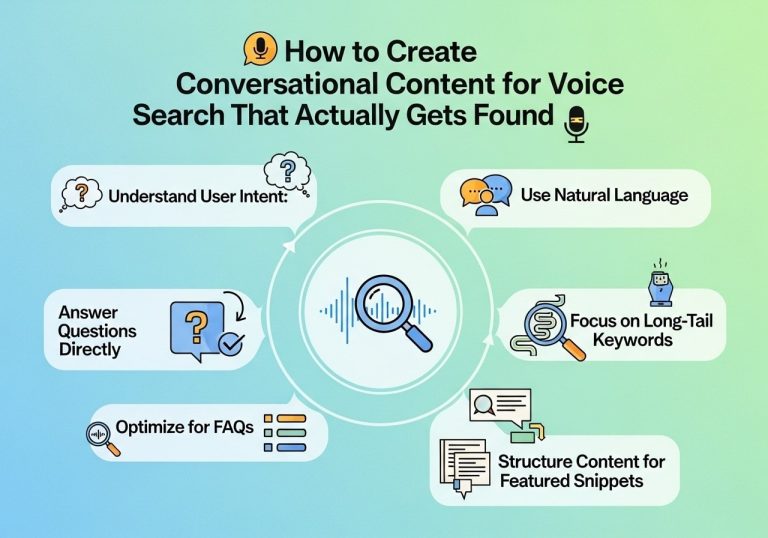
Learning how to rank YouTube videos fast starts with finding the right keywords. Unlike Google, YouTube keyword research focuses on conversational, long-tail phrases that people speak or type into the search bar.
Tools for YouTube Keyword Research:
- YouTube’s own search suggestions (start typing and see what appears)
- YouTube Analytics to see what terms bring viewers to your existing videos
- Google Keyword Planner for search volume data
- TubeBuddy or VidIQ for YouTube-specific keyword insights
Keyword Research Process:
- Start with broad topics related to your niche
- Use YouTube’s autocomplete by typing your main topic and seeing suggested searches
- Analyze competitor videos that rank well in your space
- Look for question-based keywords (how to, what is, why does)
- Consider seasonal or trending topics in your field
When researching how to rank videos high on YouTube, focus on keywords with decent search volume but manageable competition. A keyword with 1,000 monthly searches and moderate competition often works better than trying to rank for terms with 100,000 searches and intense competition.
Long-tail Keyword Strategy:
Instead of targeting “fitness,” try “home workouts for beginners without equipment.” This approach makes it easier to rank videos in YouTube search and attracts more targeted viewers.
Optimizing Video Titles and Descriptions
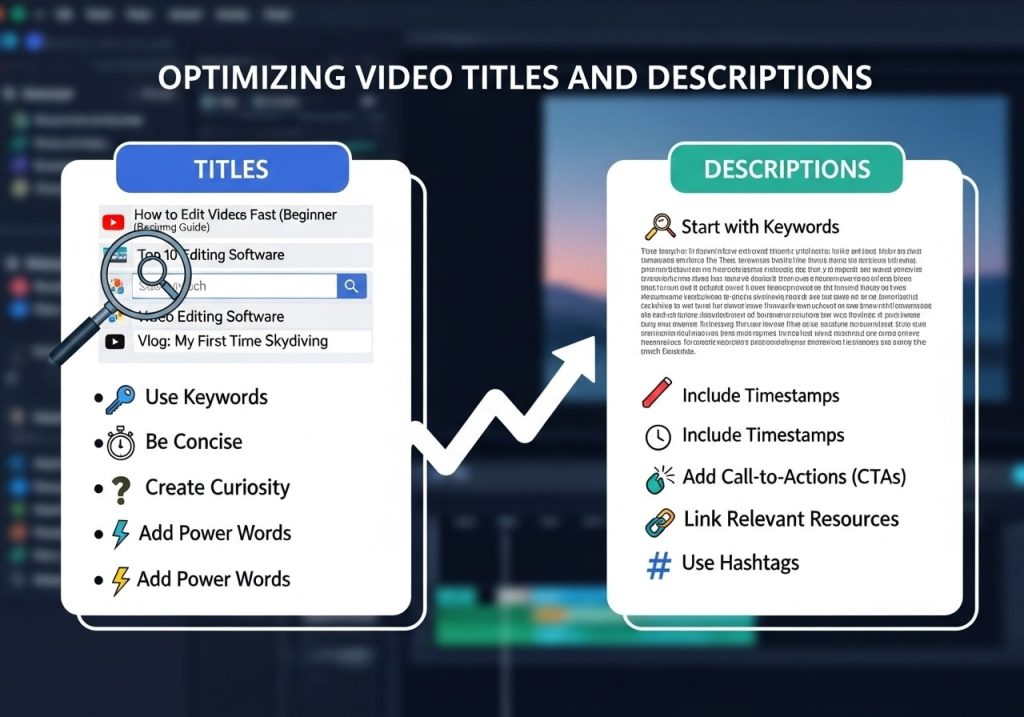
Your title is the first thing both viewers and YouTube’s algorithm see. Learning how to rank your YouTube video higher starts with creating titles that are both search-friendly and click-worthy.
Title Optimization Best Practices:
- Include Your Main Keyword: Place your primary keyword near the beginning of your title when possible. If you’re targeting “how to rank YouTube videos,” that phrase should appear early in your title.
- Keep Titles Under 60 Characters: Longer titles get cut off in search results and suggested videos. Make every word count.
- Create Curiosity: While being descriptive, add elements that make people want to click. Numbers, specific benefits, or intriguing questions work well.
- Match Search Intent: If someone searches “how to rank YouTube videos on Google,” your title should clearly indicate that’s what your video covers.
Your description helps YouTube understand your video content and provides context for viewers. Here’s how to improve video ranking on YouTube through descriptions:
- First 125 Characters Matter Most: This text appears in search results, so include your main keyword and a compelling summary.
- Detailed Descriptions Perform Better: Write 200+ words describing your video content, including secondary keywords naturally.
- Include Timestamps: For longer videos, add timestamps to help viewers find specific sections.
- Add Links Strategically: Link to related videos on your channel, your website, or social media profiles.
- Use Relevant Hashtags: Add 3-5 relevant hashtags, but don’t overdo it.
How to Use Tags Effectively
Many creators wonder how to rank YouTube video tags properly. While tags are less important than titles and descriptions, they still help YouTube categorize your content.
Tag Strategy for Better Rankings:
- Use Your Exact Title as First Tag: This reinforces your video’s main topic.
- Include Variations of Your Main Keyword: If targeting “how to rank YouTube videos,” also use “YouTube video ranking,” “rank videos on YouTube,” etc.
- Add Broad and Specific Tags: Mix general terms like “YouTube marketing” with specific phrases like “YouTube SEO for beginners.
- Study Competitor Tags: Use tools like TubeBuddy to see what tags successful videos in your niche use.
- Don’t Overstuff: Use 10-15 relevant tags rather than filling all available space with marginally related terms.
- Avoid Misleading Tags: Using popular but irrelevant tags can hurt your rankings and viewer satisfaction.
Thumbnail Optimization Strategies
Thumbnails significantly impact your click-through rate, which directly affects how YouTube ranks your videos in search results. A great thumbnail can be the difference between someone clicking your video or scrolling past it.
Thumbnail Best Practices:
- High Contrast and Bright Colors: Thumbnails appear small on mobile devices, so bold visuals stand out better.
- Include Text Overlay: Add 3-7 words that complement your title and create interest.
- Show Faces When Possible: Human faces, especially showing emotion, tend to get more clicks.
- Maintain Brand Consistency: Use similar fonts, colors, or layouts so people recognize your content.
- Test Different Styles: YouTube allows you to change thumbnails after upload, so test what works best for your audience.
- Avoid Clickbait: While thumbnails should be attention-grabbing, they must accurately represent your content.
Engagement Factors That Boost Rankings
YouTube prioritizes videos that keep viewers engaged. Understanding how engagement affects how to rank YouTube videos on the first page of Google and YouTube search is crucial for long-term success.
Key Engagement Metrics:
- Average View Duration: This measures how long people watch your videos. Higher watch time signals quality content to YouTube.
- Audience Retention: The percentage of your video that viewers watch. YouTube provides graphs showing where people drop off.
- Likes, Comments, and Shares: While not direct ranking factors, these engagement signals indicate viewer satisfaction.
- Subscriber Growth: Videos that generate new subscribers often rank better over time.
- Click-Through Rate: The percentage of people who click your video when they see it in search or suggested videos.
Strategies to Boost Engagement:
- Hook Viewers Early: The first 15 seconds determine whether people keep watching. Start with a compelling preview of what’s coming.
- Create Interactive Content: Ask questions, run polls, or encourage comments to increase engagement.
- Use Pattern Interrupts: Change scenes, add graphics, or vary your speaking pace to maintain attention.
- End with Strong CTAs: Encourage likes, subscriptions, and comments with specific asks.
- Respond to Comments: Active engagement in your comments section boosts overall engagement metrics.
How to Rank YouTube Videos on Google

Learning how to rank YouTube videos on the Google first page requires understanding that Google often shows video results for certain types of searches. This creates opportunities to appear in both YouTube and Google search results.
- Target Tutorial and How-To Keywords: Google frequently shows videos for instructional searches.
- Optimize for Featured Snippets: Create content that directly answers common questions in your niche.
- Use Schema Markup: If embedding videos on your website, add video schema to help Google understand your content.
- Create Transcripts: Upload or create accurate captions to help Google crawl your video content.
- Build Backlinks: Links from other websites to your YouTube videos can improve Google rankings.
- Cross-Platform Promotion: Share your videos on social media and embed them in blog posts to increase visibility.
Types of Content That Rank Well in Google:
- Step-by-step tutorials
- Product reviews and comparisons
- Educational content
- News and trending topics
- Local content (especially for businesses)
Technical Optimization Tips
Beyond content, technical factors influence how YouTube ranks video performance. These behind-the-scenes elements can give you an edge over competitors.
Video Quality Considerations:
- Resolution and Format: Upload in the highest quality possible. While the question “Do 4K videos rank higher on YouTube?” doesn’t have a definitive answer, higher-quality content generally performs better.
- Audio Quality: Poor audio causes viewers to click away quickly. Invest in a decent microphone.
- Video Length: Match your video length to your content needs. Tutorials can be longer, while entertainment videos often perform better when concise.
- File Naming: Name your video file with your target keyword before uploading.
- Upload Schedule: Post when your audience is most active. Check your YouTube Analytics for optimal timing.
- Closed Captions: Accurate captions improve accessibility and help with SEO.
- End Screens and Cards: Use these features to promote other videos and increase session duration.
Promoting Your Videos for Better Rankings
Creating great content is only half the battle. Learning the best way to rank YouTube videos includes promoting your content effectively across multiple channels.
Promotion Strategies:
- Social Media Distribution: Share your videos on platforms where your audience spends time. Tailor your message for each platform.
- Email Marketing: Include your latest videos in newsletters or create dedicated video announcements for subscribers.
- Community Building: Engage with other creators in your niche through comments, collaborations, and community posts.
- Website Integration: Embed relevant videos in blog posts and create video-based content for your website.
- Cross-Promotion: Mention your other videos within your content to increase overall channel watch time.
- Collaborate with Others: Guest appearances on other channels or collaborative videos can expose your content to new audiences.
- Community Tab Usage: If eligible, use YouTube’s Community tab to engage subscribers between video uploads.
Timing Your Promotion:
- Share immediately after upload to boost early engagement
- Reshare older videos that remain relevant
- Time social media posts for maximum visibility
Measuring Success: Track your promotion efforts through YouTube Analytics to see which methods drive the most traffic and engagement.
Understanding how to rank YouTube videos requires patience and consistency. Focus on creating valuable content, optimizing for search, and genuinely connecting with your audience. The combination of great content and smart promotion will help your videos climb the rankings and reach more viewers over time.
Remember that ranking success doesn’t happen overnight. YouTube rewards creators who consistently provide value to their communities. Start implementing these strategies today, monitor your results, and adjust your approach based on what works best for your specific audience and niche.
What strategies will you try first to improve your YouTube video rankings? Start with keyword research and title optimization, then gradually implement other techniques as you see results.
FAQs
How long does it take to see results when trying to rank a YouTube video?
Most YouTube videos start showing some improvement within 24-48 hours if you’ve optimized them properly. However, getting significant views and ranking well usually takes 1-2 weeks for new channels, and sometimes just a few days for established channels. The key is consistent optimization and engagement from your first viewers.
What’s the most important factor for ranking YouTube videos quickly?
Your video title and thumbnail are the biggest game-changers. YouTube’s algorithm pays close attention to your click-through rate – how many people actually click on your video when they see it. A compelling title with your target keyword and an eye-catching thumbnail can make or break your video’s performance.
Should I focus on keywords when creating YouTube content?
Yes, but don’t overthink it. Pick one main keyword that people are actually searching for and include it naturally in your title, description, and tags. You can find good keywords by typing topics into YouTube’s search bar and seeing what suggestions come up. Tools like Google Keyword Planner help too, but YouTube’s own suggestions are often more accurate.
How important are the first 24 hours after uploading a video?
The first day is really important for YouTube’s algorithm. Try to get your friends, family, or email subscribers to watch and engage with your video right after you publish it. Early engagement tells YouTube that your content is worth showing to more people. Share it on your social media and send it to people who might genuinely be interested.
What should I include in my video description to help with ranking?
Write a detailed description that explains what your video is about in the first 2-3 sentences. Include your main keyword naturally, add timestamps if your video covers multiple topics, and include relevant links. Don’t stuff keywords – just write like you’re explaining the video to a friend who hasn’t watched it yet.
How do thumbnails affect my video’s ability to get views?
Thumbnails are huge for getting clicks. Use bright, contrasting colors, include faces with clear emotions when possible, and add text that complements your title. Keep text large enough to read on mobile phones. A good thumbnail can double or triple your views compared to a boring one.
Is it better to make longer or shorter videos for better ranking?
YouTube generally prefers longer videos because they keep people on the platform longer. Aim for at least 8-10 minutes if you can keep it engaging. However, don’t add fluff just to make it longer. A 5-minute video that keeps people watching is better than a 15-minute video where people leave halfway through.
How can I get more people to subscribe after watching my video?
Ask for subscriptions at the right moments – usually when you’ve just provided value or are about to share something exciting. Don’t ask in the first 10 seconds. Instead, earn it by delivering good content first, then remind viewers to subscribe if they want more similar content. Keep your ask simple and natural.
Do YouTube tags really matter for ranking videos?
Tags help, but they’re not as important as your title and description. Use 5-8 relevant tags that describe your video content and include your main keyword. Look at what successful videos in your niche are using for tags. Don’t use misleading tags – YouTube will actually penalize you for that.
What’s the biggest mistake people make when trying to rank YouTube videos?
The biggest mistake is focusing only on SEO and forgetting about making genuinely good content. YouTube’s algorithm is smart – it can tell when people enjoy your videos by how long they watch and whether they engage. You can have perfect keywords, but if your content is boring or unhelpful, it won’t rank well long-term.