Ranking high on Google doesn’t mean cramming your content with keywords until it reads like a robot wrote it. Content creators, bloggers, and business owners often struggle with how to avoid keyword stuffing while still creating content that search engines love.
The good news? You can write SEO content that feels natural and engages readers without sacrificing your search rankings. Smart keyword research helps you pick the right terms that match what people actually search for. Then, you can weave those keywords into your content so naturally that readers won’t even notice – but Google definitely will.
We’ll walk you through finding that sweet spot between SEO optimization and readable content, plus show you advanced writing strategies that keep both search engines and human readers happy.
Understanding the Balance Between SEO and Natural Writing

Define keyword stuffing and its negative impact on rankings
Keyword stuffing happens when writers cram their target keywords into content unnaturally, repeating them excessively without regard for readability or user experience. Think of it as that annoying friend who keeps dropping the same phrase into every conversation – it feels forced and makes people want to tune out.
Search engines like Google have become incredibly sophisticated at detecting this practice. When content repeats keywords like “best pizza restaurant” fifteen times in a 300-word article, algorithms immediately flag it as spam. The result? Your website gets pushed down in search results, sometimes disappearing from the first few pages entirely.
The damage goes beyond just rankings. Visitors who land on keyword-stuffed pages bounce quickly because the content reads like a robot wrote it. High bounce rates signal to search engines that your content isn’t valuable, creating a downward spiral that’s hard to escape.
Modern penalties for keyword stuffing can be severe. Google’s algorithm updates have targeted sites that engage in this practice, leading to traffic drops of 50% or more overnight. Recovery often takes months of consistent, quality content creation to rebuild trust with search engines.
Recognize search engine algorithm preferences for quality content
Search engines have evolved from simple keyword-matching systems to complex AI that understands context, user intent, and content quality. Google’s algorithms now prioritize content that genuinely helps users solve problems or find information they’re seeking.
The shift toward quality began with major algorithm updates like Panda and Hummingbird, which rewarded sites offering comprehensive, well-researched content over those gaming the system with keyword manipulation. These updates fundamentally changed how search engines evaluate web pages.
Today’s algorithms analyze multiple quality signals:
- User engagement metrics: Time spent on page, scroll depth, and return visits
- Content comprehensiveness: How thoroughly topics are covered
- Semantic relevance: Related keywords and concepts that naturally support the main topic
- Readability scores: How easy content is to understand and follow
- External validation: Quality backlinks from authoritative sources
Search engines now understand synonyms, context, and topic clusters. When you write about “automobiles,” the algorithm knows you’re also discussing “cars,” “vehicles,” and related concepts. This semantic understanding means you can rank for your target keywords without repeating them constantly.
The focus has shifted to creating content that matches search intent – what users actually want when they type specific queries. Informational searches get different treatment than commercial ones, and algorithms reward content that aligns with these intentions.
Identify the difference between optimization and over-optimization
Smart optimization feels invisible to readers while still satisfying search engine requirements. It’s like seasoning food – when done right, it enhances the natural flavors without overpowering them. Over-optimization, however, sacrifices readability for the sake of rankings, creating content that serves algorithms instead of humans.
Proper optimization includes keywords naturally within valuable content. You might mention “digital marketing strategies” once in your introduction, weave related terms throughout your body paragraphs, and include variations in your headings – all while maintaining a conversational flow that readers enjoy.
| Optimization | Over-Optimization |
|---|---|
| Keywords appear naturally in context | Keywords forced into every paragraph |
| Varied vocabulary and synonyms | Repetitive keyword usage |
| Focuses on user value first | Prioritizes search engines over readers |
| Readable, engaging content | Awkward, robotic writing style |
| Strategic keyword placement | Keywords stuffed in meta descriptions, alt text excessively |
Over-optimization signals include unnatural keyword density (typically above 2-3%), awkward phrasing to fit keywords, and repetitive anchor text in internal links. Content that reads like it was written for robots rather than humans crosses into over-optimization territory.
The sweet spot lies in understanding that search engines want to deliver the best possible results to users. When you create content that genuinely helps people while naturally incorporating relevant keywords, you achieve both user satisfaction and search engine visibility. This approach builds sustainable rankings that withstand algorithm changes because they’re based on real value rather than manipulation tactics.
Strategic Keyword Research and Selection

Choose primary keywords with appropriate search volume and competition
Finding the right primary keywords sets the foundation for content that ranks well without falling into the keyword stuffing trap. Start by looking for keywords with decent monthly search volume – typically between 1,000 to 10,000 searches per month for most businesses. These numbers give you enough traffic potential while remaining achievable.
Competition analysis matters just as much as search volume. High-competition keywords often push writers toward aggressive tactics like cramming keywords everywhere. Instead, target keywords where you can realistically compete. Look for the sweet spot where search volume meets manageable competition levels.
Use keyword research tools like Google Keyword Planner, Ahrefs, or SEMrush to evaluate both metrics. Pay attention to keyword difficulty scores, which help you understand how hard it’ll be to rank. A keyword with 5,000 monthly searches and low competition beats a 50,000-search keyword that’s impossible to rank for.
Discover long-tail keyword variations for natural integration
Long-tail keywords are your secret weapon for avoiding keyword stuffing while maintaining strong SEO performance. These longer, more specific phrases sound natural in your content and often have higher conversion rates than broad keywords.
Transform your primary keyword into natural variations by thinking about how real people search. If your main keyword is “SEO content,” your long-tail variations might include:
- “how to write SEO content that converts”
- SEO content writing tips for beginners
- “best practices for SEO content creation”
These variations let you address the same topic from multiple angles without repeating the exact phrase. They flow naturally in sentences and provide more context for both readers and search engines. Long-tail keywords also capture different stages of the buyer’s journey, from awareness to decision-making.
Build semantic keyword clusters around your main topic
Semantic clustering involves grouping related keywords that share similar meanings or belong to the same topic area. This approach helps search engines understand your content’s context while giving you diverse vocabulary options.
Create clusters by brainstorming words and phrases connected to your main topic. For SEO content writing, your semantic cluster might include:
| Core Topic | Related Terms | Action Words |
|---|---|---|
| SEO Content | optimization, rankings, visibility | improve, boost, enhance |
| Content Writing | copywriting, blogging, articles | create, develop, craft |
| Keywords | search terms, phrases, queries | target, research, analyze |
This clustering strategy prevents repetitive keyword use while strengthening your content’s topical authority. Search engines recognize these semantic relationships, so using varied but related terms actually improves your SEO performance compared to keyword repetition.
Analyze competitor content for keyword inspiration
Studying competitor content reveals keyword opportunities you might miss and shows you how successful pages integrate keywords naturally. Look at the top 10 results for your target keywords and identify patterns in their keyword usage.
Pay attention to how competitors structure their content and where they place keywords. Notice the variations they use and the supporting terms that appear throughout their articles. Tools like Ahrefs’ Content Gap feature or SEMrush’s Keyword Gap tool can show you keywords your competitors rank for that you haven’t targeted yet.
Don’t copy their approach directly – instead, use their content as inspiration for your own unique angle. If competitors focus heavily on technical aspects, you might take a more beginner-friendly approach while targeting similar keywords in a more accessible way.
Natural Keyword Integration Techniques

Place Keywords in Strategic Locations Without Forcing Placement
Strategic keyword placement starts with understanding where search engines naturally expect to find relevant terms. Your primary keyword should appear in your opening paragraph, but not as the very first words. Instead, weave it into a natural sentence that sets context for your content.
Headers present excellent opportunities for keyword integration. Use variations of your target phrases in H2 and H3 tags, but make sure each header serves a clear purpose for readers. The key is making headers that people would actually want to click on, not just keyword containers.
Mid-content placement works best when keywords support the narrative flow. Look for spots where mentioning your target phrase genuinely adds value to the discussion. Avoid dropping keywords into random sentences where they don’t belong – this creates awkward reading experiences that both users and search engines notice.
Your conclusion offers another natural spot for keyword inclusion, especially when summarizing key points or providing actionable takeaways. The goal is creating content where keywords feel like they belong, not like they were forced in to meet some arbitrary quota.
Use Synonyms and Related Terms to Avoid Repetition
Semantic SEO relies heavily on topic clusters and related terminology rather than exact keyword repetition. Search engines have become sophisticated enough to understand context and meaning, making synonym usage incredibly powerful for how to avoid keyword stuffing in SEO content.
Create a list of related terms, synonyms, and variations before writing. For example, if your main keyword is “content marketing,” related terms might include “content strategy,” “digital marketing content,” “brand storytelling,” and “audience engagement.” This approach helps you avoid keyword stuffing while maintaining topical relevance.
Long-tail variations provide natural alternatives to your primary keywords. Instead of repeating “SEO content writing” multiple times, mix in phrases like “search-optimized writing,” “SEO-friendly content creation,” and “optimized content development.” This variety keeps your writing fresh while covering more search queries.
Industry terminology and jargon also serve as effective synonyms when appropriate for your audience. Professional readers often search using technical terms, so incorporating these naturally expands your keyword coverage without repetition.
Write for Topic Relevance Rather Than Exact Keyword Matches
Modern search algorithms prioritize comprehensive topic coverage over exact keyword matching. This shift means you can create more valuable content by focusing on thoroughly addressing your subject matter rather than hitting specific keyword counts.
Topic relevance comes from understanding user intent behind search queries. When someone searches for information about avoiding keyword stuffing, they want practical strategies, not content that merely repeats the phrase. Address their underlying questions and concerns throughout your piece.
Related questions and subtopics naturally emerge when you dive deep into any subject. Cover these comprehensively, and you’ll find that relevant keywords appear organically. This approach helps you avoid keyword stuffing while creating genuinely useful content that satisfies search intent.
Supporting evidence, examples, and case studies add depth to your topic coverage. These elements often introduce related keywords naturally while providing the detailed information that both readers and search engines value.
Maintain Proper Keyword Density Ratios Throughout Content
Keyword density should feel invisible to readers while remaining present enough for search engines to understand your content’s focus. The sweet spot typically falls between 1-3% of your total word count, but context matters more than exact percentages.
Distribution matters as much as overall density. Spreading keywords evenly throughout your content works better than clustering them in specific sections. This approach prevents any single paragraph from feeling stuffed while maintaining consistent relevance signals.
Monitor keyword density during editing rather than while writing your first draft. Let ideas flow naturally during initial creation, then review for keyword distribution during revision. This process helps maintain writing quality while ensuring adequate SEO coverage.
Different content types may require different density approaches. Blog posts can handle slightly higher densities than product pages, while landing pages need more focused keyword usage than educational articles. Adjust your approach based on content purpose and audience expectations.
Content Structure That Supports SEO Goals

Create compelling headlines that include target keywords naturally
Your headline sets the stage for everything that follows. When you craft headlines that naturally incorporate your target keywords, you create a powerful first impression that both search engines and readers appreciate. Instead of forcing keywords into awkward constructions, think about what your audience actually searches for and mirror their language.
A great headline answers the reader’s question while including relevant terms. For example, if you’re targeting “how to avoid keyword stuffing in SEO content,” your headline might read “5 Simple Ways to Avoid Keyword Stuffing in Your SEO Content.” This approach feels natural because it matches how people think and speak about the topic.
Consider using power words and emotional triggers alongside your keywords. Headlines like “Stop Keyword Stuffing: Write SEO Content That Actually Converts” combine optimization with compelling language that makes people want to click and read more.
Organize content with clear subheadings for better readability
Well-structured content with logical subheadings creates a roadmap for both readers and search engines. Your subheadings should break down complex topics into digestible sections while naturally incorporating related keywords and phrases.
Think of your subheadings as chapter titles in a book. Each one should clearly indicate what the reader will learn in that section. When you’re writing about how to avoid keyword stuffing on your website, your subheadings might include “Identifying Keyword Stuffing Red Flags” or “Natural Keyword Placement Strategies.”
Use a hierarchy that makes sense:
- Main subheadings (H2) for major topic divisions
- Secondary subheadings (H3) for specific subtopics
- Tertiary headings (H4) for detailed points within subtopics
This structure helps readers scan your content quickly and find exactly what they need. Search engines also use these headings to understand your content’s organization and relevance to specific search queries.
Develop comprehensive topic coverage to satisfy search intent
Comprehensive content that thoroughly addresses a topic naturally includes related keywords and phrases without forcing them. When you cover a subject completely, you’ll find yourself using variations of your target keywords because they’re genuinely relevant to the discussion.
Start by understanding what your audience really wants to know. Someone searching for “how can I avoid keyword stuffing in my content” likely wants practical strategies, examples of what not to do, and alternatives that work better. Address these needs directly and completely.
Create content that goes beyond surface-level advice. Include:
- Practical examples and case studies
- Common mistakes and how to fix them
- Tools and resources for implementation
- Step-by-step processes
- Expert insights and industry best practices
When you provide this level of depth, you naturally create content that ranks well because it genuinely serves the searcher’s needs. This approach helps you avoid keyword stuffing while building authority and trust with your audience.
Advanced SEO Writing Strategies
Implement latent semantic indexing for topical authority
Search engines have gotten smarter about understanding context and related concepts. Instead of just looking for exact keyword matches, they now analyze the semantic relationship between words and topics. This approach helps you avoid keyword stuffing while building genuine topical authority.
Focus on creating content clusters around your main topic. When writing about SEO content, naturally include related terms like “search rankings,” “organic traffic,” “content optimization,” and “user intent.” These semantically related keywords signal to search engines that you truly understand the subject matter.
Create a comprehensive keyword map that includes synonyms, related phrases, and industry-specific terminology. This strategy shows search engines the depth of your knowledge while keeping your writing natural and reader-friendly.
Craft meta descriptions that entice clicks without keyword cramming
Your meta descriptions serve as mini-advertisements for your content. They should spark curiosity and provide clear value propositions without cramming keywords unnaturally into every sentence.
Write compelling descriptions that focus on benefits rather than just features. Instead of repeatedly mentioning “how to avoid keyword stuffing,” create descriptions that highlight the outcome: “Discover proven techniques that boost your search rankings while keeping your content engaging and readable.
Keep descriptions between 150-160 characters and include a clear call-to-action. Use power words like “proven,” “essential,” “ultimate,” or “step-by-step” to create urgency and interest.
Build internal linking strategies that support keyword themes
Strategic internal linking creates a web of related content that reinforces your topical expertise. When you link between related articles, you’re telling search engines which topics connect and how deep your knowledge goes.
Create topic clusters by linking your main pillar content to supporting articles. If your main article covers SEO content writing, link to related pieces about keyword research, content structure, and user experience optimization.
Use descriptive anchor text that flows naturally within your sentences. Instead of generic phrases like “click here,” use contextual anchors like “comprehensive keyword research guide” or “proven content optimization techniques.”
Optimize content length for comprehensive topic coverage
Content length should match the complexity and depth required to thoroughly address your topic. Comprehensive coverage naturally incorporates related keywords and concepts without forcing them into your writing.
Research your competitors and analyze what search engines consider thorough coverage for your target keywords. Look at the top-ranking articles and identify knowledge gaps you can fill with unique insights or updated information.
Structure longer content with clear sections, bullet points, and subheadings. This organization makes it easier to naturally weave in related terms while maintaining readability and user engagement.
Use multimedia elements to enhance user engagement signals
Visual and interactive elements keep readers engaged longer, which sends positive signals to search engines about your content quality. These elements also provide opportunities to optimize additional aspects beyond just text.
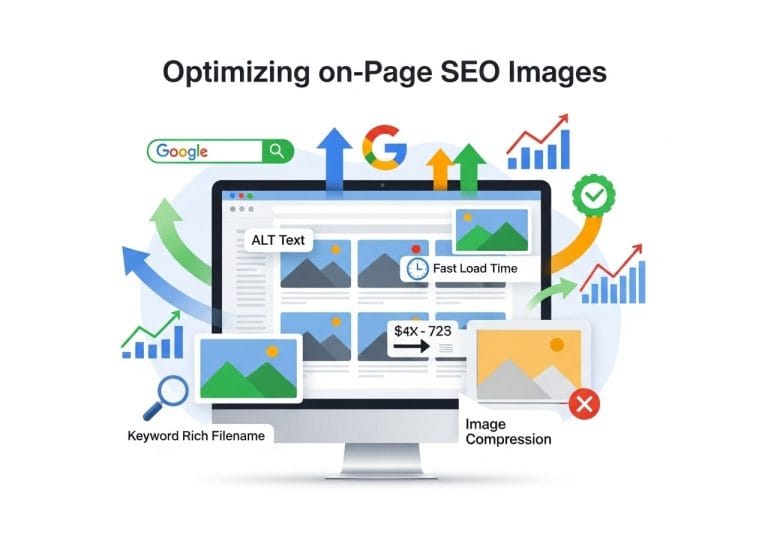
Include relevant images with optimized alt text that describes the visual content while supporting your keyword themes. Videos, infographics, and interactive tools add value while naturally extending time spent on your pages.
Create downloadable resources like checklists or templates that complement your written content. These additions provide extra value and encourage readers to bookmark and return to your content, further strengthening your SEO performance.

Creating SEO content that ranks well without sounding robotic comes down to finding that sweet spot between optimization and genuine value. The best approach combines smart keyword research with natural writing techniques, using content structure and advanced strategies to boost your search rankings while keeping readers engaged. When you focus on strategic placement over keyword density and build content that actually answers what people are searching for, you’re setting yourself up for long-term success.
The key is remembering that search engines have gotten really good at understanding context and user intent. Instead of trying to game the system with repetitive keywords, invest your time in creating content that genuinely helps your audience. Start by researching what your readers actually want to know, then craft your content around those needs while naturally weaving in your target keywords. This approach not only improves your search rankings but also builds trust with your audience, leading to better engagement and conversions over time.
FAQs
What is keyword stuffing and why should I avoid it?
Keyword stuffing means using your target keyword too many times in your content in an unnatural way. You should avoid it because search engines like Google now penalize websites that do this, and it makes your content hard to read for real people.
How many times should I use my main keyword in my content?
There’s no exact number, but a good rule is to use your main keyword 1-2 times per 100 words. Focus on using it naturally where it makes sense, like in your title, first paragraph, and conclusion.
What are some natural ways to include keywords in my content?
Use keywords in your page title, headings, and naturally throughout your text when discussing the topic. You can also include them in image descriptions and meta descriptions. The key is making sure they fit naturally into sentences.
Should I use the exact same keyword every time?
No, you should mix it up. Use variations of your main keyword and related words. For example, if your main keyword is “dog training,” you can also use “training dogs,” “pet training,” or “dog obedience.”
How do I know if I’m using too many keywords?
Read your content out loud. If it sounds repetitive or awkward, you’re probably using too many keywords. Your writing should sound natural and flow well for human readers.
What is semantic SEO and how does it help avoid keyword stuffing?
Semantic SEO means writing about topics in a complete way using related words and concepts. Instead of repeating the same keyword, you use related terms that help search engines understand your content better.
Can I still rank well without repeating my keyword many times?
Yes, absolutely. Modern search engines are smart enough to understand what your content is about even without excessive keyword repetition. Quality, helpful content that answers user questions ranks better than keyword-stuffed content.
What should I focus on instead of keyword density?
Focus on creating valuable content that answers your readers’ questions. Write naturally, cover your topic thoroughly, and make sure your content is useful and easy to read. This approach works better for both readers and search engines.
How do I research related keywords to use instead of repeating the same one?
Look at Google’s “People also ask” section and related searches at the bottom of search results. You can also use free tools like Google Keyword Planner or check what questions people ask about your topic on forums and social media.
What are the signs that my content has good SEO without keyword stuffing?
Your content reads naturally, covers the topic completely, uses various related terms, and provides real value to readers. If people spend time reading your content and find it helpful, that’s a good sign you’ve balanced SEO with quality writing.