
Customer reviews can make or break your business reputation, but getting customers to actually leave feedback feels like pulling teeth. If you’re a business owner, manager, or marketing professional struggling to encourage customer reviews, you’re not alone. Most customers have great experiences but never think to share them online, leaving your business invisible to potential clients searching for social proof.
The good news? There are proven strategies to encourage customer reviews that don’t involve begging or bribing your customers. You can build a steady stream of authentic feedback that boosts your online reputation and attracts new business.
In this guide, we’ll show you how to create an effortless review request system that works on autopilot, master the art of timing your requests for maximum response rates, and provide the right incentives that motivate customers without compromising authenticity. You’ll also learn how to leverage social proof and respond strategically to all feedback to build trust with future customers.
Create an Effortless Review Request System
Automate follow-up emails after purchase completion
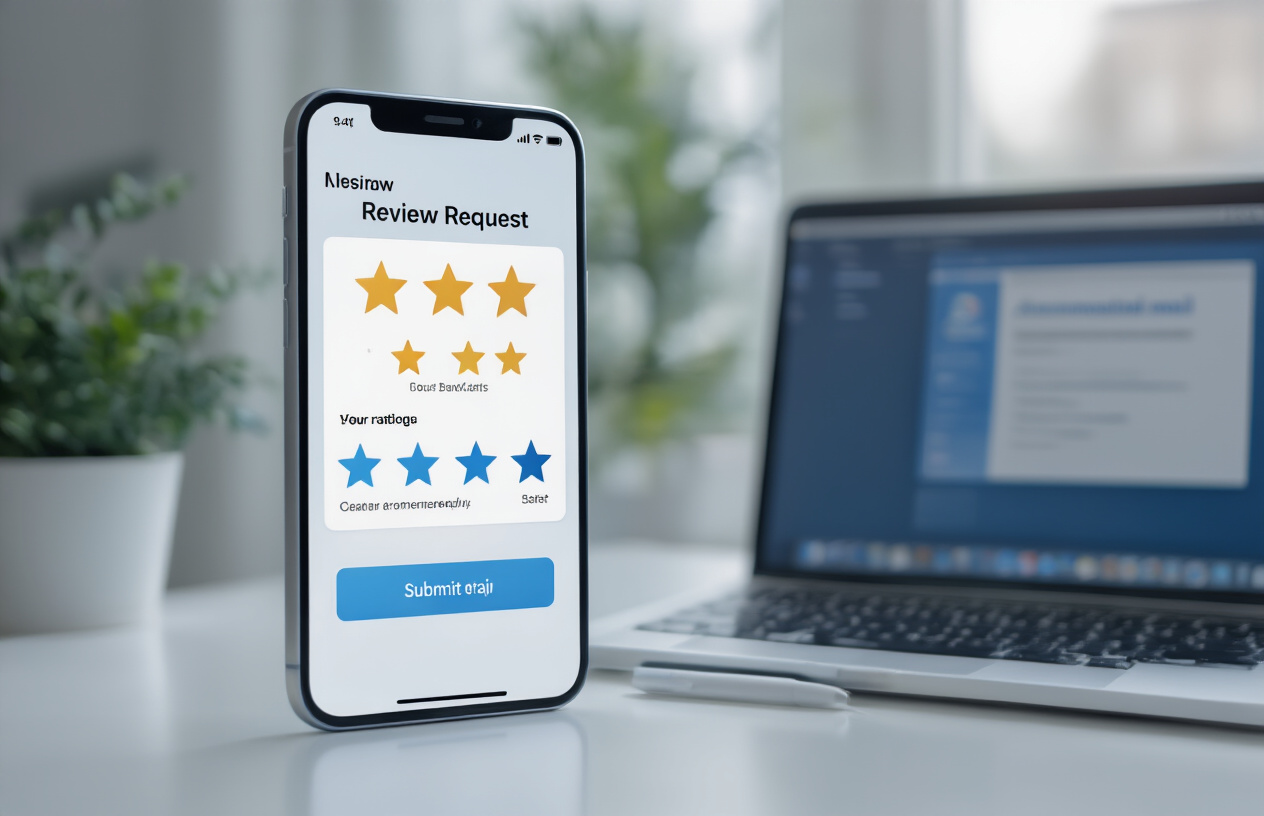
Setting up automated email sequences after customers complete their purchases creates a seamless way to encourage customer reviews without manual intervention. The key is timing your automated emails perfectly – send the first follow-up 3-5 days after delivery when customers have had enough time to experience your product or service.
Your automated system should include a series of emails rather than a single request. Start with a thank-you email that focuses on customer satisfaction, then follow up with a gentle review request that includes direct links to your preferred review platforms. Most email marketing platforms like Mailchimp, Klaviyo, or ConvertKit offer built-in automation features that make this process straightforward.
Personalization makes your automated emails feel genuine rather than robotic. Include the customer’s name, specific product details, and reference their purchase date. This personal touch significantly increases the likelihood that customers will engage with your review request.
Use SMS messaging for higher response rates
SMS messaging delivers remarkably higher open rates compared to emails – typically 98% versus 20% for email. When you want to encourage customers to leave reviews, text messages cut through the digital noise and reach customers directly on their most-used device.
Keep your SMS review requests short and sweet. A simple message like “Hi [Name]! Hope you’re loving your [Product]. Mind sharing a quick review? [Link]” works better than lengthy explanations. Include a direct link that takes customers straight to the review form on Google, Amazon, or your preferred platform.
Timing remains crucial with SMS requests. Send texts during business hours (9 AM – 6 PM) and avoid weekends unless your business operates in that timeframe. Most customers appreciate receiving review requests via text because it takes seconds to respond, unlike emails that might get buried in crowded inboxes.
Implement in-app review prompts at optimal moments
In-app review prompts catch customers at their peak satisfaction moments, making them incredibly effective for encouraging feedback. The trick is identifying those golden moments when users feel most positive about your app or service.
Trigger review prompts after customers complete positive actions like making a successful purchase, reaching a milestone, or finishing a tutorial. Avoid showing prompts when users encounter errors, during onboarding stress, or when they’re clearly struggling with your interface.
Apple’s App Store and Google Play Store both offer native review prompt systems that feel natural to users. These built-in options respect user preferences – if someone declines to review once, the system won’t pester them repeatedly. You can also create custom in-app prompts that direct users to external review platforms, giving you more control over the messaging and design.
Set up personalized thank-you messages with review links
Personal thank-you messages create emotional connections that make customers want to help your business succeed. These messages work best when they feel authentic and specific rather than generic and automated.
Craft different thank-you templates based on purchase types, customer segments, or service interactions. A customer who bought expensive equipment deserves a different message than someone who purchased a small accessory. Reference specific details about their experience, mention how their feedback helps other customers make decisions, and always include easy-access review links.
Consider sending thank-you messages through multiple channels – email, SMS, handwritten notes for high-value customers, or even personalized video messages. The extra effort shows customers you value their business beyond the initial transaction, which naturally encourages them to share positive experiences through reviews.
Perfect Your Timing for Maximum Response

Request Reviews During Peak Customer Satisfaction Moments
The secret to getting glowing reviews lies in striking while the iron is hot. When customers feel that rush of satisfaction after a positive experience, they’re most likely to share their enthusiasm with others. Think about those magical moments: right after a successful product delivery, immediately following exceptional customer service, or when they’ve achieved the results they were hoping for.
Smart businesses track these satisfaction peaks and use them as review request triggers. For e-commerce stores, this might be 2-3 days after delivery confirmation when customers have had time to unbox and test their purchase. For service-based businesses, it’s often within 24-48 hours of service completion when the positive experience is still fresh in their minds.
You can identify these peak moments by monitoring customer behavior patterns, tracking support ticket resolutions, or simply asking your team when customers seem happiest. The key is capturing that emotional high when customers naturally want to share their positive experiences.
Allow Adequate Time for Product Testing and Experience
Rushing the review process backfires more often than not. Customers need sufficient time to truly experience what you’re offering before they can provide meaningful feedback. A customer who hasn’t fully tested a product or experienced your service’s benefits won’t have much to say, and what they do share might be superficial.
Different products and services require different testing periods. Here’s a practical breakdown:
| Business Type | Optimal Waiting Period |
|---|---|
| Physical products | 7-14 days |
| Software/Apps | 14-30 days |
| Professional services | 1-2 weeks post-completion |
| Subscription services | 30-60 days |
| Restaurants/hospitality | 1-3 days |
The goal is finding that sweet spot where customers have enough experience to provide valuable insights but haven’t forgotten the details of their interaction with your business. This timing ensures authentic, detailed reviews that actually help future customers make informed decisions.
Avoid Holiday Seasons and Busy Periods
Timing your review requests around your customers’ lives shows respect for their time and increases response rates dramatically. During holiday seasons, back-to-school periods, or tax season, people’s attention is pulled in countless directions. Your review request might get buried under holiday shopping emails or ignored during hectic family gatherings.
Consider your customer base’s lifestyle patterns. B2B customers might be swamped during quarter-end periods, while parents are overwhelmed during school breaks. Retail customers might be focused on holiday shopping rather than writing reviews about previous purchases.
Instead of competing with these distractions, plan your review campaigns for calmer periods. January and February often work well for consumer businesses, while mid-March through May can be ideal for B2B companies. The key is understanding when your specific audience has mental bandwidth to engage thoughtfully with your request.
Monitor your email open rates and response patterns throughout the year to identify when your customers are most receptive. This data-driven approach helps you avoid the frustration of low response rates and ensures your carefully crafted review requests get the attention they deserve.
Simplify the Review Process for Customers
Reduce Clicks and Steps to Leave Feedback
The biggest barrier between satisfied customers and positive reviews is complexity. When customers have to navigate through multiple pages, create accounts, or fill out lengthy forms, most will simply abandon the process. Smart businesses understand that how to encourage customer reviews starts with removing every possible friction point.
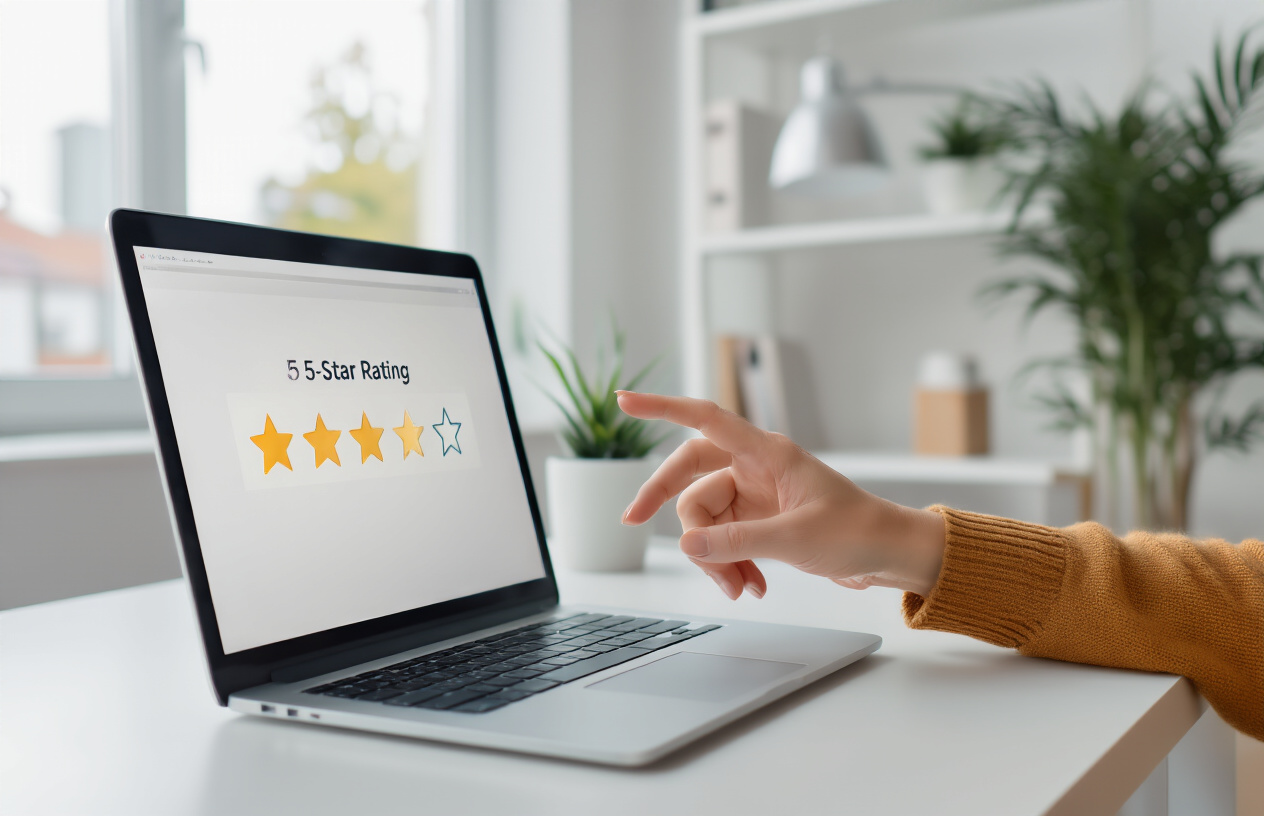
The golden rule is the “three-click maximum” – customers should be able to leave a review within three clicks from receiving your review request. This means no account creation requirements, no mandatory surveys before the review, and definitely no redirects through multiple pages. Consider implementing one-click review options where customers can rate your service with a simple star selection, then optionally add written comments.
Many successful businesses use QR codes on receipts or follow-up emails with direct review links. This approach has proven particularly effective for service-based businesses looking to encourage customers to leave reviews immediately after a positive interaction.
Provide Direct Links to Preferred Review Platforms
Generic review requests that say “please leave us a review” perform poorly compared to specific, platform-targeted requests. Instead of making customers hunt for your business profile on Google or other platforms, provide direct links that take them straight to your review page.
Create different review request templates for different platforms:
- Google Reviews: Direct link to your Google Business Profile review section
- Yelp: Direct business page link with review button highlighted
- Facebook: Direct link to your Facebook page’s review tab
- Industry-specific platforms: TripAdvisor for hospitality, Zillow for real estate, etc.
This targeted approach not only makes the process easier but also helps you encourage customers to leave Google reviews or other platform-specific feedback more effectively. Track which platforms your customers prefer and focus your efforts accordingly.
Offer Multiple Review Options Across Different Sites
Different customers prefer different platforms, so offering variety increases your chances of capturing feedback. Create a simple landing page or email template that presents 3-4 review platform options with clear buttons or links for each.
Consider creating a review hub page on your website that includes:
| Platform | Best For | Customer Type |
|---|---|---|
| Local searches | All customers | |
| Social proof | Social media active | |
| Yelp | Dining/services | Millennials/Gen X |
| Industry sites | Specialized feedback | Niche customers |
This multi-platform approach helps you capture reviews from customers who might not use your preferred platform, ultimately helping you encourage customer reviews across a broader spectrum of potential clients.
Create Mobile-Friendly Review Experiences
Over 60% of review requests are opened on mobile devices, making mobile optimization crucial for encouraging feedback. Your review process must work flawlessly on smartphones and tablets, with large, touch-friendly buttons and minimal typing requirements.
Mobile-friendly review strategies include:
- Voice-to-text options for longer reviews
- Simple star ratings with optional text comments
- Auto-fill features that remember customer information
- Progress indicators showing how many steps remain
- Quick rating buttons that are easy to tap with thumbs
Test your review request process on different mobile devices and operating systems. If customers struggle to complete reviews on their phones, you’re missing out on the majority of potential feedback. Remember, the easier you make it to leave a review, the more likely customers are to follow through and help boost your online reputation.
Provide Irresistible Incentives Without Compromising Authenticity

Offer Discount Codes for Future Purchases
Discount codes create a win-win situation that motivates customers to share their experiences while building long-term loyalty. When customers know they’ll receive a 10-15% discount on their next purchase after leaving a review, they’re significantly more likely to take the time to write one. This approach works particularly well because it doesn’t feel transactional – customers genuinely benefit from sharing their honest opinions.
The key is making the discount meaningful enough to motivate action without eating into your profit margins. A good rule of thumb is offering between 5-20% depending on your industry and average order value. E-commerce businesses often see the best results with 10% discounts, while service-based companies might offer $25 off their next booking.
Timing matters when implementing this strategy. Send the discount code immediately after the customer submits their review, not before. This maintains authenticity and ensures you’re rewarding genuine feedback rather than incentivizing potentially biased reviews. Include clear terms like expiration dates and minimum purchase requirements to encourage faster conversions while protecting your business interests.
Create Loyalty Points and Rewards Programs
Loyalty programs naturally encourage customers to leave reviews by making feedback part of a broader relationship with your brand. Instead of offering one-time incentives, points-based systems create ongoing motivation for customer engagement. Customers earn points not just for purchases, but for various activities including writing reviews, referring friends, and engaging with your social media content.
Structure your program so that review submissions earn meaningful points – typically equivalent to 5-10% of an average purchase value. For example, if your average order is $100, award 500-1000 points for each review. This creates real value while encouraging detailed, thoughtful feedback since customers invest more effort when rewards are substantial.
The beauty of loyalty programs lies in their ability to encourage customers to leave reviews naturally over time. Regular customers become invested in accumulating points, making review requests feel less intrusive and more like opportunities to earn rewards. This ongoing relationship approach helps generate consistent review volume rather than sporadic bursts.
Provide Exclusive Access to New Products or Services
Exclusive access incentives tap into customers’ desire to be part of something special while encouraging authentic feedback. Offering early access to new products, beta testing opportunities, or VIP previews creates excitement that motivates customers to share their experiences. This strategy works exceptionally well for businesses launching new products or seasonal collections.
Create different tiers of exclusivity based on review quality and customer loyalty. Customers who write detailed, helpful reviews might receive 48-hour early access, while those who simply leave star ratings get 24-hour access. This approach rewards effort while still encouraging all types of feedback.
Consider hosting exclusive events or webinars for customers who regularly leave reviews. These might include behind-the-scenes tours, Q&A sessions with founders, or first looks at upcoming products. Such experiences create emotional connections that naturally lead to positive reviews and word-of-mouth recommendations. The exclusivity factor makes customers feel valued and appreciated, which translates into genuine enthusiasm they’re eager to share with others.
Leverage Social Proof and Customer Success Stories

Showcase existing positive reviews prominently
Your existing positive reviews are pure gold for encouraging more customer feedback. When potential customers see authentic, glowing testimonials front and center on your website, they instantly trust your brand more. Place your best reviews strategically on your homepage, product pages, and checkout process where they’ll have maximum impact.
Create a dedicated testimonials section that visitors can easily find. Display reviews with customer names, photos, and specific details about their experience. This transparency builds credibility and shows real people behind the feedback. Consider using review widgets that automatically pull in fresh reviews from Google, Yelp, or industry-specific platforms.
Don’t just stick to text-based reviews. Screenshots of social media mentions, star ratings, and brief customer quotes work wonders for grabbing attention. The key is making these reviews impossible to miss while keeping them authentic and relevant to what you’re offering.
Share customer testimonials across marketing channels
Your marketing channels are perfect vehicles for amplifying positive customer experiences. Share compelling testimonials in your email newsletters, social media posts, and paid advertising campaigns. This multi-channel approach helps you reach customers wherever they spend their time online.
Email marketing campaigns featuring real customer stories often see higher engagement rates. Include a customer photo alongside their testimonial to add a personal touch that resonates with recipients. Social media platforms love authentic content, so regularly post customer success stories with their permission.
Your blog posts can weave in relevant testimonials to support your points and add credibility. When running ads, testimonials perform exceptionally well because they provide third-party validation of your claims. Each marketing channel offers unique opportunities to showcase how your business has positively impacted real customers’ lives.
Create video testimonials and case studies
Video testimonials pack an emotional punch that written reviews simply can’t match. When customers share their experiences on camera, viewers connect with their genuine emotions and expressions. These videos build trust faster than any other form of social proof because they’re harder to fake and feel more personal.
Reach out to your happiest customers and ask if they’d be willing to record a brief video testimonial. Make the process simple by providing talking points or questions they can address. Even smartphone-recorded videos work perfectly – authenticity matters more than professional production quality.
Case studies take this concept further by diving deep into specific customer success stories. Document the customer’s challenge, your solution, and the results they achieved. Include metrics, timelines, and direct quotes to create compelling narratives that demonstrate your expertise and results.
Feature customer photos and user-generated content
User-generated content transforms customers into brand ambassadors without any extra effort from your marketing team. When customers share photos of themselves using your products or experiencing your services, they’re essentially providing free, authentic advertising that resonates with their networks.
Encourage customers to share photos by creating branded hashtags and running photo contests. Feature the best submissions on your website, social media, and marketing materials (with proper permission, of course). This approach not only showcases happy customers but also encourages others to share their own experiences.
Create a photo gallery on your website dedicated to customer submissions. This visual social proof helps potential customers envision themselves using your products or services. User-generated content feels more trustworthy than polished marketing materials because it comes directly from real customers sharing their genuine experiences.
Respond Strategically to All Customer Feedback

Acknowledge positive reviews with personalized responses
Responding to positive reviews goes far beyond a simple “thank you” – it’s your chance to build deeper relationships with happy customers. When someone takes time to write a glowing review, they’ve essentially become a brand advocate, and acknowledging their effort properly can turn them into lifelong customers.
Craft responses that mention specific details from their review. If they praised your customer service team member by name, highlight that person’s dedication. When they mention loving a particular product feature, share why that feature was designed with customers like them in mind. This personal touch shows you actually read their feedback rather than sending automated responses.
Quick, authentic replies also signal to potential customers that you’re actively engaged with your community. People scrolling through reviews notice when businesses take time to respond thoughtfully, and this builds trust before they even make a purchase.
Address negative reviews professionally and promptly
Negative reviews sting, but they’re golden opportunities to show your character. How you handle criticism speaks volumes about your business values and can actually attract more customers when done right.
Respond within 24-48 hours whenever possible. Start by acknowledging their experience and apologizing for any inconvenience, even if you disagree with their assessment. Avoid getting defensive or making excuses – instead, focus on understanding their perspective and offering solutions.
Take the conversation offline when appropriate by providing a direct phone number or email. This shows other potential customers that you’re serious about resolving issues while protecting the unhappy customer’s privacy. Many people will update or remove negative reviews after experiencing excellent customer service during the resolution process.
Turn dissatisfied customers into loyal advocates
The most loyal customers often start as the most dissatisfied ones. When you successfully resolve a problem for someone who had a negative experience, they frequently become your biggest champions because you’ve proven your commitment to making things right.
Follow up after resolving issues to ensure customers remain satisfied with the solution. This extra step demonstrates ongoing care and often prompts customers to update their original negative reviews or leave new positive ones. Some businesses find that customers who experienced problems and saw them resolved actually become more loyal than those who never had issues at all.
Create a system for tracking and following up on resolved complaints. Document what went wrong, how you fixed it, and what you learned. This information becomes invaluable for preventing similar issues and showing customers you take feedback seriously.
Use feedback to improve products and services
Customer reviews are essentially free market research delivered directly to your business. Both positive and negative feedback reveals what customers truly value and what needs improvement, giving you a roadmap for business growth.
Look for patterns in your reviews. When multiple customers mention the same issue or praise the same feature, pay attention. These trends often reveal opportunities for product improvements, service enhancements, or new offerings that customers actually want.
Share relevant feedback with your team regularly. When customer service representatives see how their actions directly impact reviews, they become more motivated to deliver exceptional experiences. Product development teams can use review insights to prioritize features and fixes that matter most to real users.
Create a monthly review analysis process where you categorize feedback themes, identify action items, and track improvements over time. This systematic approach to encourage customer feedback helps you stay ahead of problems and continuously enhance your customer experience based on real user input.
Optimize Your Online Presence for Review Visibility

Claim and optimize Google My Business listings
Your Google My Business (GMB) listing acts as your digital storefront’s front door. When customers search for businesses like yours, a well-optimized GMB profile can make the difference between getting noticed or getting ignored. Start by claiming your listing if you haven’t already – it’s free and takes just a few minutes.
Complete every section of your profile with accurate, up-to-date information. Add high-quality photos of your business, products, or services. These visual elements help customers connect with your brand before they even visit. Upload photos regularly to keep your listing fresh and engaging.
The magic happens in the reviews section. Encourage customers to leave Google reviews by making it simple for them. Share your direct GMB review link through email signatures, business cards, and follow-up messages. When customers can access your review page with one click, they’re much more likely to share their experience.
Respond to every review, both positive and negative. Quick, thoughtful responses show potential customers that you care about feedback and take customer service seriously. This interaction also signals to Google that your business is active and engaged.
Maintain active profiles on industry-specific review sites
Different industries have their go-to review platforms, and your customers are already using them. Restaurants need Yelp presence, while contractors should focus on Angie’s List or HomeAdvisor. Healthcare providers can’t ignore Healthgrades, and retail businesses benefit from Facebook reviews.
Research which platforms your target audience uses most frequently. Create complete profiles on these sites and keep them updated with current business information. Don’t spread yourself too thin – focus on 3-4 key platforms where your customers are most active.
Monitor these platforms regularly and respond to reviews promptly. Each platform has its own culture and expectations for business responses. Learn the unwritten rules of each community to engage effectively with reviewers.
Cross-promote these profiles by mentioning them in your marketing materials. When customers know where to find you, they’re more likely to leave reviews on the platforms that matter most to your business.
Integrate review widgets into your website
Your website visitors are already interested in your business – they just need a gentle nudge to share their thoughts. Review widgets display your best customer feedback directly on your site, creating social proof that influences purchase decisions.
Choose widgets that showcase reviews from multiple platforms. This variety demonstrates that positive feedback comes from different sources, making it more credible. Display star ratings prominently on your homepage and service pages where visitors make buying decisions.
Make the review process seamless by including direct links to your review profiles. Place these strategically after customers have consumed positive content about your services or products. The key is timing – catch visitors when they’re feeling most positive about your business.
Update your widgets regularly to feature fresh reviews. Stale testimonials lose their impact over time. Set up automated systems that pull in new reviews so your social proof stays current without constant manual updates.
Monitor and manage your online reputation consistently
Online reputation management isn’t a set-it-and-forget-it task. Your business reputation needs daily attention, just like any other important aspect of your operation. Set up Google Alerts for your business name to catch mentions across the web.
Use reputation management tools to track reviews across multiple platforms from one dashboard. This centralized approach saves time and ensures you never miss important customer feedback. Respond to reviews within 24-48 hours when possible – quick responses show you’re attentive and professional.
Address negative reviews with grace and professionalism. Acknowledge the customer’s concerns, apologize when appropriate, and offer to resolve the issue privately. This approach shows other potential customers how you handle problems, which can actually boost confidence in your business.
Track your overall review metrics over time. Watch for trends in customer feedback that might indicate service issues or highlight your strengths. Use this data to improve your business operations and create better customer experiences that naturally lead to more positive reviews.

Getting more customer reviews doesn’t have to feel like pulling teeth. The strategies we’ve covered – from creating smooth review systems and timing your requests right, to making the process dead simple and offering genuine incentives – all work together to build a review-generating machine for your business. When you combine these with smart use of social proof, thoughtful responses to feedback, and a polished online presence, you’re setting yourself up for serious reputation growth.
The best part? Your customers actually want to help you succeed when you make it easy for them. Start with one or two of these proven methods and build from there. Your future self (and your bottom line) will thank you when those five-star reviews start rolling in and new customers can’t help but choose your business over the competition.
FAQs
Why are customer reviews so important for my business?
Customer reviews act like word-of-mouth recommendations in the digital world. They help build trust with potential customers who don’t know your business yet. Most people read reviews before making a purchase decision, and positive reviews can be the deciding factor that brings new customers to your door.
What’s the best time to ask customers for a review?
The sweet spot is right after a positive interaction or successful service completion. This could be immediately after delivery, following a great customer service experience, or when you know the customer is happy with their purchase. Don’t wait too long – strike while the positive experience is fresh in their mind.
How do I ask for reviews without sounding pushy?
Keep it simple and genuine. You can say something like, “We’d love to hear about your experience – would you mind leaving us a quick review?” Make it feel optional, not mandatory. You can also explain how much their feedback helps your small business grow, which many customers appreciate.
Should I offer incentives for reviews?
You can offer small incentives like discount codes for future purchases, but be careful. Some review platforms have rules against incentivized reviews. Focus on making the review process easy and convenient rather than just offering rewards. A simple “thank you” gesture works better than anything that feels like payment.
What should I do about negative reviews?
Don’t panic or ignore them. Respond professionally and quickly. Acknowledge the customer’s concerns, apologize if needed, and offer to make things right. This shows other potential customers that you care about problems and work to fix them. Many people actually respect businesses that handle criticism well.
How can I make it easier for customers to leave reviews?
Send direct links to your review profiles via email or text message. Create QR codes that customers can scan with their phones. The fewer steps between the customer and the review form, the more likely they are to complete it. Remove any barriers that might stop them from following through.
Which review platforms should I focus on?
Start with Google Reviews since they show up in search results. Then consider platforms where your customers naturally spend time – this might be Facebook, Yelp, industry-specific sites, or your own website. Don’t spread yourself too thin; it’s better to have many reviews on a few platforms than just a couple on many.
How often should I ask customers for reviews?
Don’t ask every single customer immediately – this can feel overwhelming. Focus on customers who had particularly good experiences or long-term clients who are clearly satisfied. A good rule of thumb is to ask happy customers naturally as part of your normal follow-up process.
Can I respond to positive reviews too?
Absolutely! Thank customers for taking the time to write positive reviews. Keep your responses short and genuine. This shows you value feedback and can encourage others to leave reviews when they see you actually read and appreciate them.
What if I’m not getting many reviews despite asking?
Check if your review process is too complicated or if you’re asking at the wrong time. Sometimes customers need a gentle reminder a few days after your initial request. You might also consider following up with customers who had great experiences but haven’t left reviews yet – sometimes they just forget.