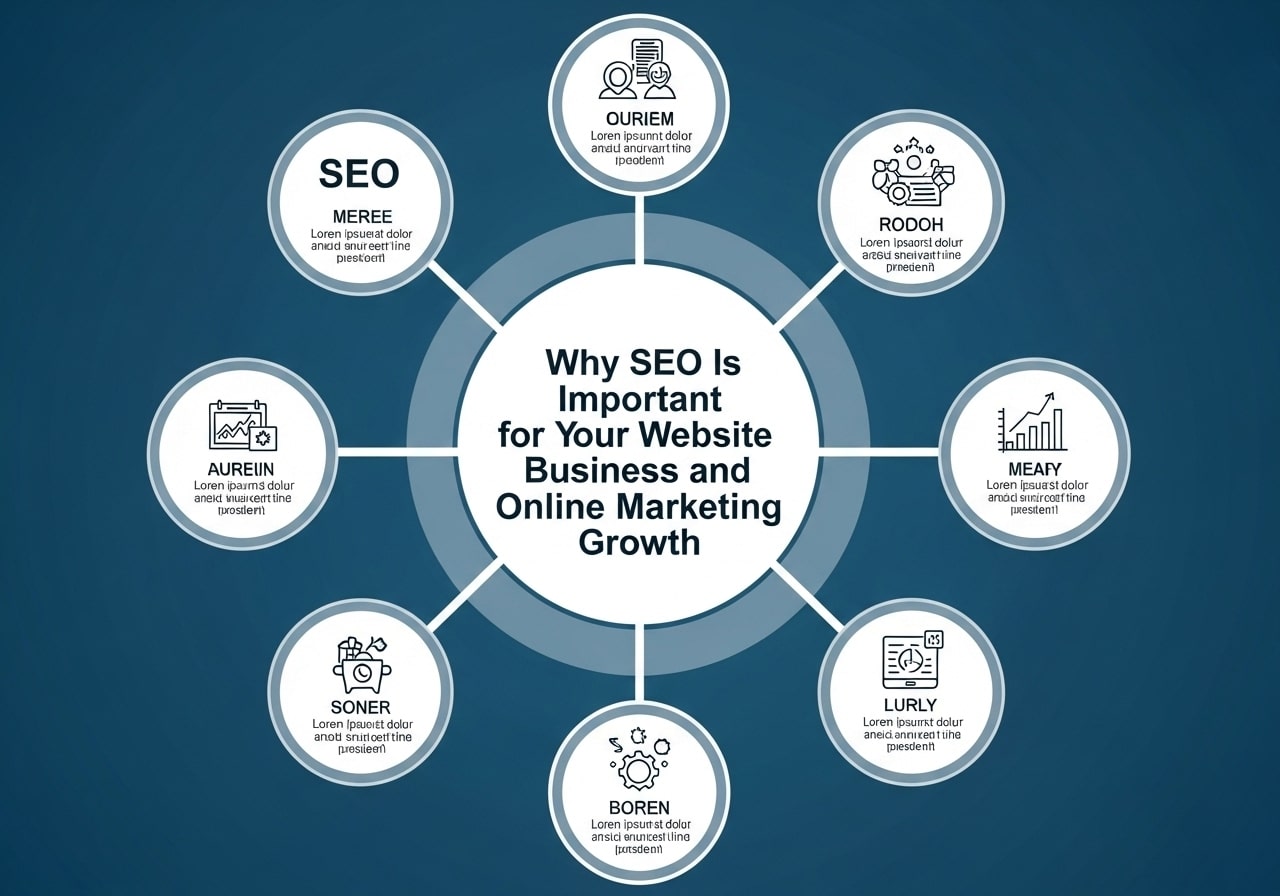
Your website could be invisible to potential customers searching for your products or services right now. Business owners, marketing professionals, and entrepreneurs often struggle to understand why SEO is important for their online success.
Search engine optimization isn’t just a buzzword – it’s the foundation that drives real business growth. When done right, SEO connects your ideal customers with your website exactly when they’re looking for what you offer.
This guide breaks down why SEO is important for your website and business growth. We’ll explore how SEO drives organic traffic that converts into paying customers and why it builds the brand authority that sets you apart from competitors. You’ll also discover how SEO delivers measurable ROI that makes it one of the most cost-effective marketing strategies available today.
Why SEO Is Important for Driving Organic Traffic to Your Website

Higher search engine rankings bring more visitors
When your website appears on the first page of Google, you’re essentially claiming prime real estate in the digital world. Studies consistently show that websites ranking in the top three search results receive over 60% of all clicks, while those buried on page two or beyond get virtually no traffic. This makes why SEO is important for your website crystal clear – it’s your ticket to being found by potential customers actively searching for your products or services.
Think about your own browsing habits. When you search for something online, you probably click on one of the first few results that appear. Your customers behave exactly the same way. Higher rankings mean more visibility, and more visibility translates directly into increased website traffic. This organic traffic is particularly valuable because these visitors are already interested in what you’re offering – they literally searched for it.
The difference between ranking first and tenth can mean thousands of additional monthly visitors. For example, a local restaurant ranking first for “best pizza near me” might receive 500 clicks per month, while the same restaurant ranking tenth might only get 20 clicks. That’s a massive difference in potential customers walking through your doors.
Cost-effective long-term traffic generation
Unlike paid advertising where traffic stops the moment you stop paying, SEO creates a sustainable traffic engine that works around the clock. This why SEO is important for business growth becomes evident when you compare the costs. Pay-per-click advertising might cost $5-50 per visitor, while organic traffic through SEO is essentially free once you’ve invested in optimization.
The compound effect of SEO makes it even more powerful over time. Each piece of optimized content you create has the potential to rank and drive traffic for months or even years. A well-written blog post optimized for relevant keywords can attract thousands of visitors long after publication, providing ongoing value without additional investment.
Small businesses particularly benefit from this cost-effective approach. While competing with larger companies in paid advertising can be expensive, SEO levels the playing field. A well-optimized small business website can outrank larger competitors by focusing on specific niches, local keywords, and providing genuinely helpful content that search engines reward.
Targeted audience reaches your business naturally
SEO connects you with people who are actively looking for solutions you provide. This makes why SEO is important for online visibility incredibly valuable – you’re not interrupting people with ads, but rather being there when they need you most. When someone searches for “emergency plumber near me” at 2 AM, they have immediate intent to hire someone.
This targeted approach means higher conversion rates compared to traditional advertising. Someone who finds your website through a search query like “best accounting software for small business” is much more likely to become a customer than someone who randomly sees your banner ad. They’ve already identified their problem and are actively seeking a solution.
The beauty of organic search traffic lies in its precision. Through keyword optimization, you can attract visitors at different stages of the buying journey. Someone searching “what is CRM software” might be in the research phase, while someone searching “Salesforce vs HubSpot pricing” is closer to making a purchase decision. SEO allows you to create content that captures both types of searchers and guide them through your sales funnel naturally.
Improved User Experience Boosts Conversion Rates
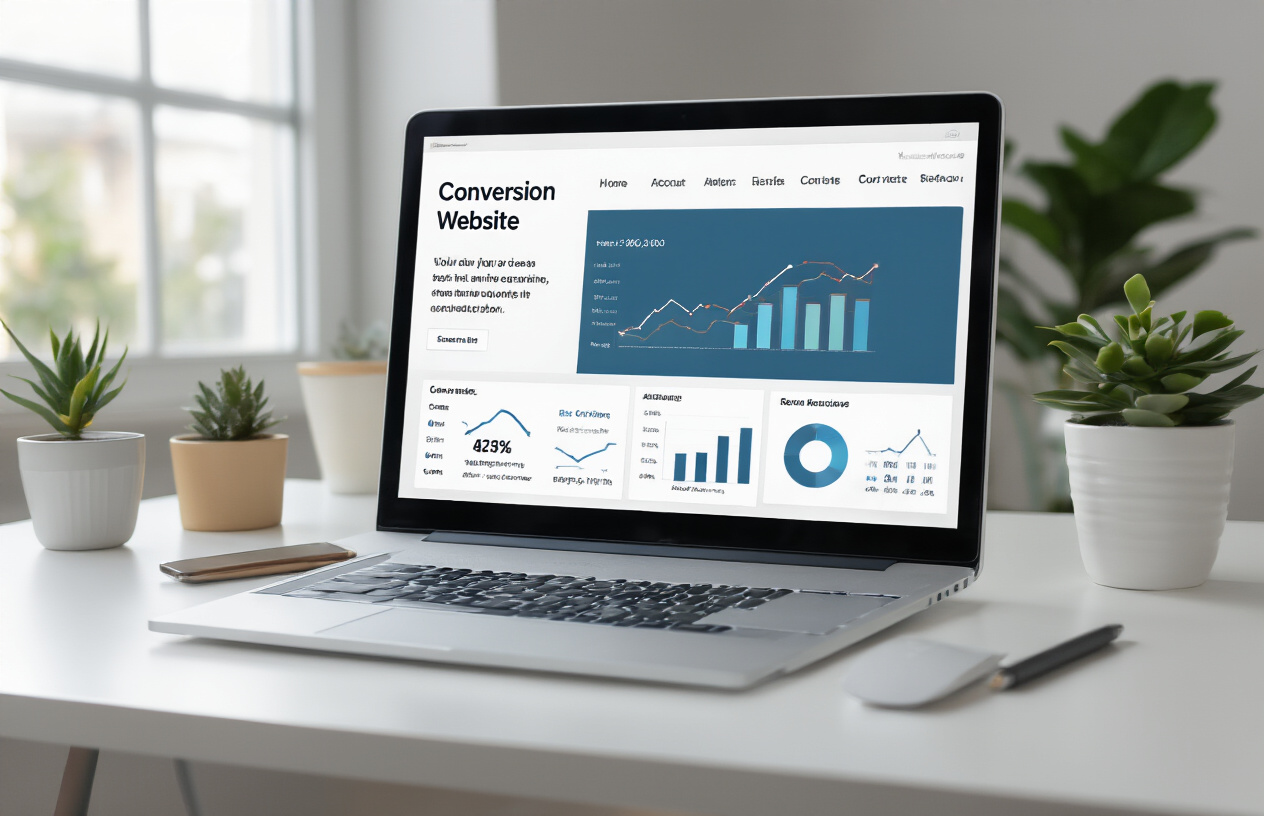
Faster Loading Speeds Increase Customer Satisfaction
Website speed directly impacts how visitors feel about your business. When pages load in under three seconds, users stay engaged and explore more content. Slow-loading sites frustrate potential customers, causing them to abandon their shopping carts or contact forms before completing their actions.
Search engines like Google prioritize fast websites because they deliver better user experiences. Why SEO is important for your website becomes clear when you realize that page speed affects both rankings and conversions. Sites that load quickly see conversion rates improve by up to 74% compared to slower competitors.
Simple optimization techniques like image compression, browser caching, and content delivery networks can dramatically reduce loading times. These improvements don’t just help with search rankings—they create smoother experiences that turn visitors into customers.
Mobile-Friendly Design Captures More Leads
Mobile devices generate over 60% of web traffic today. Why SEO is important for business growth becomes obvious when you consider that mobile-unfriendly sites lose potential customers every day. Responsive design ensures your content looks great and functions properly on smartphones and tablets.
Google’s mobile-first indexing means your mobile site version determines your search rankings. Sites that adapt to different screen sizes rank higher and attract more organic traffic. Mobile optimization includes:
- Touch-friendly buttons and navigation
- Readable text without zooming
- Fast-loading mobile pages
- Simplified checkout processes
Businesses with mobile-optimized sites see 67% higher conversion rates from mobile visitors compared to non-optimized competitors.
Easy Navigation Reduces Bounce Rates
Clear website navigation keeps visitors engaged longer and guides them toward desired actions. When people can easily find what they’re looking for, they’re more likely to make purchases or fill out contact forms.
Why SEO is important for online visibility connects to navigation because search engines reward sites with low bounce rates and high engagement metrics. Well-organized menus, search functions, and logical page structures signal quality to both users and search algorithms.
Effective navigation strategies include:
- Descriptive menu labels
- Breadcrumb trails
- Internal linking between related pages
- Prominent search bars
- Clear calls-to-action
Quality Content Builds Trust and Credibility
Valuable content establishes your expertise and encourages visitors to trust your brand. When you provide helpful information that solves problems or answers questions, potential customers view your business as a reliable authority in your industry.
Why SEO is important in content writing shows how quality content serves dual purposes—it attracts search engine traffic while building relationships with readers. Content that addresses customer pain points and provides genuine value leads to higher engagement, more shares, and increased conversions.
Trust signals in content include customer testimonials, case studies, detailed product information, and regular blog updates. These elements demonstrate credibility and expertise, making visitors more comfortable taking the next step in their buyer’s journey.
SEO Builds Brand Authority and Trust

Top Search Rankings Establish Market Leadership
When your website consistently appears at the top of search results, you’re sending a powerful message to potential customers. People naturally assume that the first few websites they see must be the most important and trustworthy in their industry. This psychological effect works in your favor – top search rankings create an instant perception of authority and market leadership.
Search engines like Google use hundreds of factors to determine which websites deserve those coveted first-page spots. When your business ranks highly for important industry keywords, you’re essentially receiving a vote of confidence from the most sophisticated information systems on the planet. Customers recognize this and often choose businesses that appear prominently in search results over competitors buried on page two or three.
The beauty of this authority-building process is that it compounds over time. As more people click on your highly-ranked content, Google interprets these interactions as signals of quality and relevance. This creates a positive feedback loop where strong rankings lead to more clicks, which reinforce your position as an industry leader.
Consistent Online Presence Strengthens Brand Recognition
Building brand recognition requires showing up wherever your customers are looking. SEO helps create this consistent presence across multiple touchpoints in the customer journey. When someone searches for industry-related terms, product comparisons, or how-to guides, your brand becomes part of their research process.
This repeated exposure builds familiarity and trust. Marketing psychology tells us that people prefer brands they recognize, and SEO gives you multiple opportunities to get in front of your audience. Your business might appear in search results for direct product searches, informational queries, local searches, and even when people are researching your competitors.
Each appearance reinforces your brand message and positions you as an active, knowledgeable player in your field. Over time, this consistent visibility creates a mental association between your brand and the problems you solve. When customers are ready to make a purchase decision, your brand naturally comes to mind because you’ve been present throughout their research journey.
Quality Backlinks Enhance Industry Reputation
Backlinks serve as digital endorsements from other websites, and search engines treat them as votes of confidence in your content and expertise. When reputable industry websites, news publications, or respected blogs link to your content, they’re essentially vouching for your credibility. These connections signal to both search engines and potential customers that you’re a trusted source of information.
The process of earning quality backlinks often involves creating exceptional content, building relationships with industry influencers, and establishing yourself as a thought leader. These activities naturally enhance your reputation within your field. When journalists quote your research, when industry experts reference your insights, or when other businesses link to your resources, you’re building a network of credibility that extends far beyond your own website.
This reputation-building aspect of SEO creates lasting value for your business. Unlike paid advertising that stops working when you stop paying, the authority and trust you build through quality backlinks and consistent search visibility becomes a permanent asset that continues driving growth long after your initial SEO investment.
Cost-Effective Marketing Strategy with High ROI

Lower advertising costs compared to paid campaigns
When comparing traditional advertising methods to SEO, the cost difference is striking. Pay-per-click advertising can drain budgets quickly, especially in competitive industries where keyword costs reach $50-100 per click. SEO requires an upfront investment in optimization, content creation, and sometimes professional services, but the ongoing costs remain relatively low.
Unlike paid campaigns that stop generating traffic the moment you stop funding them, SEO continues working 24/7 without requiring constant budget allocation. A well-optimized website can rank for hundreds of keywords simultaneously, delivering traffic that would cost thousands in paid advertising. Small businesses particularly benefit from this approach since they can compete with larger companies without matching their advertising budgets.
Long-lasting results provide ongoing value
SEO creates digital assets that appreciate over time. A blog post optimized today can continue attracting visitors for years, unlike a Facebook ad that reaches people for just a few days. This compound effect makes SEO incredibly valuable for businesses seeking sustainable growth.
Search rankings typically improve gradually and become more stable as your website gains authority. Once you achieve top positions for important keywords, maintaining those rankings requires less effort than initially earning them. This durability means your SEO investment continues paying dividends long after the initial work is complete.
Quality content optimized for search engines serves multiple purposes – it attracts new customers, educates existing ones, and positions your business as an industry expert. This multi-functional nature maximizes the return on every piece of content you create.
Measurable performance tracking optimizes budget allocation
Modern SEO tools provide detailed insights into every aspect of your organic performance. You can track which keywords drive the most valuable traffic, identify pages that need improvement, and measure the direct impact of SEO efforts on revenue. This data-driven approach helps you focus resources on strategies that deliver the best results.
Google Analytics and Search Console offer free tools that show exactly how people find and interact with your website. Paid tools like SEMrush or Ahrefs provide competitive intelligence and keyword opportunities that can guide your content strategy. This level of transparency allows you to adjust tactics quickly and avoid wasting time on ineffective approaches.
Competitive advantage over businesses without SEO
Many businesses still neglect SEO, creating opportunities for companies that invest in it properly. When your website ranks higher than competitors for relevant searches, you capture market share that might otherwise go to them. This advantage becomes particularly pronounced in local markets where many small businesses lack strong online presence.
Customers often perceive higher-ranking websites as more credible and established. This psychological bias works in favor of businesses with strong SEO, helping them win customers even when competitors offer similar products or services at comparable prices.
Local SEO Connects You with Nearby Customers

Google My Business Optimization Increases Local Visibility
Your Google My Business (GMB) profile serves as your digital storefront for local customers. When potential customers search for businesses like yours in your area, Google pulls information directly from your GMB profile to display in local search results and Google Maps. Complete profiles with accurate business hours, contact information, photos, and regular updates rank higher in local searches.
The magic happens when customers see your business appear in the coveted “Local Pack” – those three businesses Google shows at the top of location-based searches. Businesses with optimized GMB profiles are 70% more likely to attract location visits from potential customers. Regular posting, responding to questions, and keeping your information current signals to Google that your business is active and relevant.
Location-Based Searches Drive Foot Traffic
Local searches have incredible conversion power because they capture people with immediate intent. When someone searches “pizza near me” or “dentist in downtown Chicago,” they’re ready to take action. These location-specific queries represent some of the highest commercial intent in all of search marketing.
Mobile devices amplify this effect dramatically. Over 80% of local searches happen on smartphones, and these searchers typically visit a business within 24 hours. The proximity factor works in your favor – people prefer businesses they can easily reach. By optimizing for local SEO keywords like your city name plus your service, you capture customers at the exact moment they’re ready to buy.
Customer Reviews Boost Local Credibility
Online reviews act as modern word-of-mouth marketing, directly influencing both search rankings and customer decisions. Google considers review quantity, quality, and recency when determining local search positions. Businesses with consistent positive reviews often outrank competitors with better traditional SEO metrics.
The review ecosystem extends beyond just Google. Platforms like Yelp, Facebook, and industry-specific review sites contribute to your overall local presence. Responding to reviews – both positive and negative – shows potential customers that you care about their experience. This engagement also provides fresh content that search engines love.
Mobile Searches Convert to Immediate Sales
Mobile search behavior fundamentally changes how local businesses connect with customers. People use their phones to find solutions right now, not later. They’re walking down the street, driving through town, or sitting in their car looking for the nearest option.
Voice search amplifies this trend even more. Queries like “find a coffee shop nearby” or “where’s the closest hardware store” happen constantly throughout the day. Businesses optimized for these natural language searches capture customers at peak buying moments. The conversion rates from mobile local searches often exceed traditional desktop searches because the intent is so immediate and specific.
SEO Analytics Provide Valuable Business Insights

Customer behavior data improves marketing decisions
Your website analytics reveal exactly how visitors interact with your content, pages, and products. Search engine data shows which pages people land on, how long they stay, and where they drop off. This information transforms guessing into strategic decision-making.
When you track organic search traffic patterns, you discover what content resonates most with your audience. Pages with high bounce rates signal content that doesn’t match search intent, while pages with strong engagement metrics show winning formulas worth replicating. User flow data reveals the customer journey from first click to conversion, helping you optimize each touchpoint.
SEO analytics also expose seasonal trends in your business. You’ll spot when certain products or services gain traction, allowing you to adjust inventory, content calendars, and ad spend accordingly. Geographic data shows where your organic visitors come from, informing expansion decisions and local marketing efforts.
The beauty of SEO data lies in its authenticity – these are real people actively searching for solutions you provide, not just random traffic from paid ads.
Keyword performance reveals market trends
Tracking which keywords drive traffic to your site provides a window into evolving market demands. Rising search volumes for specific terms often predict industry shifts before they become obvious through other channels.
When you monitor keyword rankings and click-through rates over time, patterns emerge that guide content strategy and product development. Keywords gaining momentum might represent emerging customer needs, while declining terms could signal market saturation or changing preferences.
Search query analysis reveals the exact language your customers use when describing problems or seeking solutions. This insight proves invaluable for crafting marketing messages, product descriptions, and sales conversations that speak directly to customer pain points.
Long-tail keyword performance particularly illuminates niche opportunities. These specific, detailed searches often indicate high purchase intent and reveal untapped market segments worth targeting.
Competitor analysis identifies growth opportunities
SEO tools provide detailed insights into competitor strategies, revealing gaps in your own approach and opportunities for market expansion. Analyzing competitor keyword rankings shows which terms drive traffic to their sites but not yours.
Competitor content analysis reveals topics and formats that perform well in your industry. You can identify content gaps where competitors rank well but you don’t have relevant pages, creating opportunities to capture market share through strategic content creation.
Technical SEO audits of competitor sites often reveal best practices worth adopting or mistakes to avoid. Site structure, page load speeds, and mobile optimization strategies all become learning opportunities when you study successful competitors systematically.
Backlink analysis shows which websites link to competitors but not to you, uncovering potential partnership and outreach opportunities. These insights help prioritize relationship-building efforts and identify influential industry voices worth connecting with.

SEO isn’t just a nice-to-have feature for your website – it’s absolutely essential for business growth. From driving free organic traffic to your site to building trust with your audience, SEO touches every part of your online marketing strategy. When you invest in improving your search rankings, you’re also creating a better experience for your visitors, which naturally leads to more conversions and sales.
The best part about SEO is that it keeps working for you around the clock. While paid ads stop the moment you stop paying, your SEO efforts continue bringing in customers and providing valuable insights about your business. Whether you’re targeting local customers or building your brand’s authority online, SEO gives you the data and visibility you need to make smart marketing decisions that actually pay off.
FAQs
What is SEO and why does my website need it?
SEO stands for Search Engine Optimization. It’s the process of improving your website so search engines like Google can find it easily and show it to people searching for your products or services. Your website needs SEO because it helps potential customers discover your business when they search online.
How does SEO help my business grow?
SEO brings more visitors to your website by making it appear higher in search results. When more people find and visit your website, you have more opportunities to turn them into customers. This means more sales, leads, and business growth without paying for ads.
What happens if I don’t invest in SEO for my website?
Without SEO, your website will likely remain invisible to people searching online. Your competitors who use SEO will appear first in search results, getting more customers while you miss out on potential business. You’ll need to rely more heavily on paid advertising, which can be expensive.
How long does it take to see results from SEO?
SEO results typically take 3 to 6 months to become noticeable, and significant improvements often take 6 to 12 months. SEO is a long-term strategy that builds momentum over time. The wait is worth it because the results tend to be lasting and continue to benefit your business.
Can I do SEO myself or do I need to hire someone?
You can learn basic SEO and do some work yourself, but effective SEO requires ongoing time, effort, and expertise. Many business owners find it more efficient to hire an SEO professional or agency so they can focus on running their business while experts handle their online visibility.
Is SEO better than paid advertising for my business?
SEO and paid advertising work well together, but they serve different purposes. SEO provides long-term, sustainable traffic without ongoing ad costs, while paid ads give immediate results but stop working when you stop paying. Most successful businesses use both strategies.
What makes a website rank higher in search results?
Search engines favor websites that are helpful, fast, and easy to use. Key factors include relevant content that answers people’s questions, proper website structure, fast loading speed, mobile-friendly design, and other websites linking to yours as a trusted source.
Will SEO work for my local business?
Yes, local SEO is especially important for businesses that serve specific geographic areas. It helps you appear in “near me” searches and local map results when people in your area look for your services. This is often easier to achieve than competing nationally.
How much should I budget for SEO services?
SEO costs vary widely depending on your business size and goals. Small local businesses might spend $500-2000 per month, while larger companies may invest $2000-10000 or more monthly. Consider SEO as a long-term investment that typically provides good returns over time.
How do I measure if my SEO efforts are working?
You can track SEO success through website analytics tools that show increased website traffic, higher search engine rankings for important keywords, more phone calls or contact form submissions, and ultimately more sales or leads coming from your website.