
Technical SEO Explained: How to Improve Search Engine Crawling and Indexing
In the ever-evolving world of digital marketing, technical SEO plays a vital role in ensuring your website stands out in search engine results. While content and keywords capture the spotlight, technical aspects form the foundation of a successful website. Technical SEO focuses on optimizing your website’s infrastructure to make it faster, more secure, and easier for search engines to crawl and index. Let’s dive deeper into the importance of technical SEO, its key components, and how it can transform your website’s performance.
What is Technical SEO?
Technical SEO is fine-tuning the backend components of your website to ensure optimal performance for both users and search engines. It addresses site speed, mobile friendliness, security, and structured data to create a seamless experience. Unlike on-page SEO (which focuses on content) or off-page SEO (which works with backlinks), technical SEO ensures that search engines can navigate and rank your site efficiently.
When executed correctly, technical SEO provides the following benefits:
- Faster website load times.
- Enhanced user experience.
- Higher rankings on search engines like Google.
- Improved visibility for mobile users.
- A more secure browsing environment.
Why Technical SEO Matters
Imagine investing time and money in creating great content only to have your website fail to rank due to slow loading speeds, poor mobile usability, or crawlability issues. Technical SEO ensures that this doesn’t happen. It improves the overall performance of the site for users, removing the obstacles that prevent search engines from understanding and indexing your site for users.
Here are the key reasons why technical SEO is indispensable:
1. Search Engine Visibility
Search engines deploy bots to crawl and index websites. A properly optimized site helps these bots better understand your content, allowing it to rank correctly. Without proper technical SEO, your website may not appear in search results.
2. Enhanced User Experience (UX)
A technically sound website provides a superior user experience. Fast-loading pages, smooth navigation, and mobile responsiveness help retain visitors and reduce bounce rates.
3. Competitive Advantage
Technical SEO gives you a competitive edge by addressing key issues that many websites ignore. A technically optimized site is more likely to rank higher, attract traffic, and convert visitors into customers.
Key Elements of Technical SEO
1. Website Speed Optimization
Page speed plays a significant role in Google’s ranking algorithm. A slow-loading website frustrates users and negatively impacts your search rankings. Tools like Google PageSpeed Insights, GTmetrix, and Lighthouse can help identify speed bottlenecks.
Here are several methods to improve your site’s speed:
- Optimize images by compressing their size without compromising quality.
- Activate browser caching to speed up load times for repeat visitors.
- Implement a Content Delivery Network (CDN) to deliver your content more efficiently across different locations.
- Minimize CSS, JavaScript, and HTML files by eliminating unnecessary code.
2. Mobile-Friendliness
With more than half of global web traffic coming from mobile devices, having a mobile-friendly website is no longer optional. Google’s mobile-first indexing prioritizes responsive sites and provides a seamless experience across all devices.
To ensure mobile-friendliness:
- Implement responsive design to adjust your site’s layout for various screen sizes.
- Ensure touch elements, like buttons, are optimized for easy clicking on mobile devices.
- Steer clear of intrusive pop-ups that interfere with the user experience.
3. Crawlability and Indexability
Search engine bots need access to your site’s content to rank it effectively. If certain pages are blocked or inaccessible, it can hurt your rankings.
To improve crawlability:
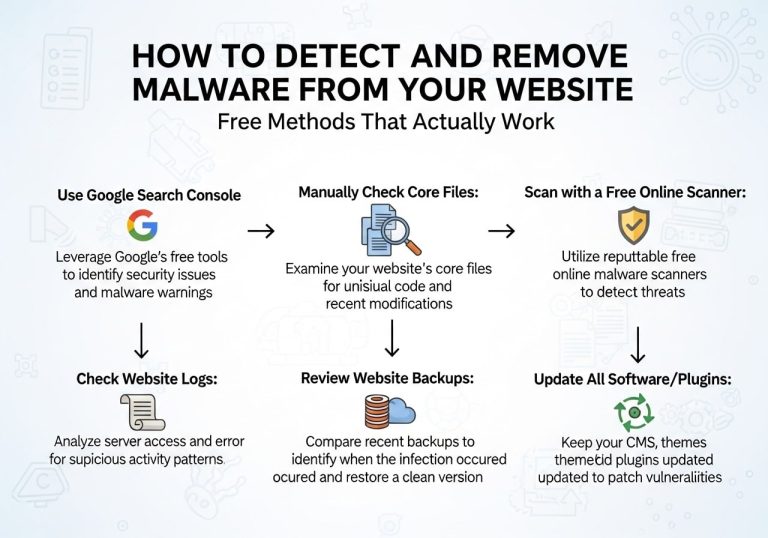
- Generate and submit a detailed XML sitemap to Google Search Console for better indexing.
- Configure your robots.txt file to direct bots on which pages to crawl and which to avoid.
- Fix broken links to ensure a smooth crawling experience.
4. Secure HTTPS Protocol
Google prioritizes secure websites that use HTTPS encryption. An SSL certificate protects user data, builds trust, and helps improve search rankings. If your site is still using HTTP, upgrading to HTTPS is essential.
5. Structured Data and Schema Markup
Structured data enables search engines to better interpret the context of your content. By implementing schema markup, you can increase your chances of appearing in featured results like FAQs, reviews, and product listings.
Example:
- Use schema to highlight product details, such as price and availability.
- Implement FAQ schema for common questions about your services.
- Add review schema to showcase customer feedback.
6. Fixing Broken Links and Redirects
Broken links hurt user experience and use up your site’s crawl budget. Fixing them regularly improves site performance and search engine indexing.
Conduct regular audits to identify and fix:
- 404 errors by redirecting broken URLs to appropriate, relevant pages.
- Improper redirects may cause a loss of link equity.
7. Optimized URL Structure
Clear, descriptive URLs make it easier for users to understand and for search engines to index your content.
Best practices include:
- Keeping URLs short and relevant.
- Using hyphens (-) instead of underscores (_).
- Avoiding special characters or unnecessary parameters.
Example:
- Good URL: www.example.com/technical-seo-guide
- Bad URL: www.example.com/index.php?id=123&category=seo
- Core Web Vitals
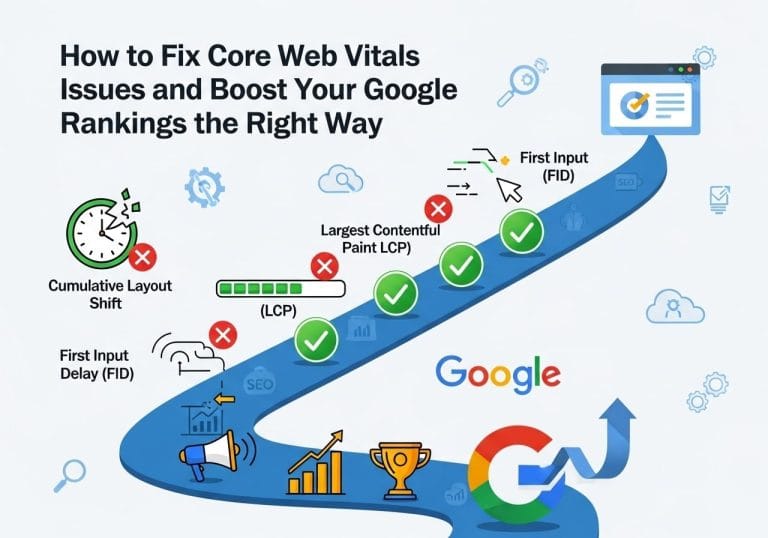
8. Core Web Vitals, a set of metrics introduced by Google, measure the user experience of your site. They include:
- Largest Contentful Paint (LCP): Measures loading performance.
- First Input Delay (FID): Evaluates interactivity.
- Cumulative Layout Shift (CLS): Assesses visual stability.
To improve Core Web Vitals:
- Optimize server response times.
- Implement lazy loading for images.
- Minimize layout shifts by setting dimensions for images and videos.
9. Internal Linking and Site Architecture
An organized internal linking structure enhances navigation for both users and search engines. Ensure your website is logically structured, with relevant internal links that distribute link equity effectively.
10. Digital Accessibility and WCAG Compliance
Ensure your website adheres to Web Content Accessibility Guidelines (WCAG). Features like alternative text for images, keyboard navigation, and color contrast improvements make your site accessible to all users.
How to Implement Technical SEO
Effective technical SEO requires expertise and the right tools. Follow these steps to get started:
- Perform a Technical SEO Audit by using tools such as Google Search Console, Screaming Frog, or Ahrefs to detect technical issues on your website.
- Fix Critical Errors Address high-priority issues like broken links, missing SSL certificates, and slow page speeds.
- Optimize for Mobile by testing your site’s mobile performance with Google’s Mobile-Friendly Test.
- Enhance Site Architecture Ensure your website has a logical structure with easy navigation and internal linking.
- Monitor Regularly SEO is an ongoing process. Regular audits and updates are necessary to stay ahead of competitors.
Why Choose Us for Technical SEO?
At professional seo expert md jamil hosain, we specialize in delivering tailored technical SEO solutions. Our team ensures your website’s foundation is strong, secure, and optimized for both search engines and users.
We provide:
- Comprehensive Technical Audits.
- Speed and Mobile Optimization.
- Structured Data Implementation.
- Ongoing Support to Maintain Performance.
- Crawlability and Indexing Optimization.
- Fixing Broken Links and Redirect Issues.
- SSL/HTTPS Configuration.
- Site Architecture and URL Optimization.
- XML Sitemap Creation and Submission.
- Robots.txt Configuration.
- Improving Core Web Vitals.
- Search Engine-Friendly Website Structure.
- Eliminating Duplicate Content and Fixing Canonical Issues.
- Monitoring and Resolving Crawl Errors.
- Technical SEO Consultation and Strategy.
- Mobile-Friendly Design Implementation.
Conclusion
Technical SEO is the foundation of a well-optimized, high-performing website. It ensures that your site is fast, secure, and accessible, creating a solid foundation for all other SEO efforts. Whether you’re launching a new site or improving an existing one, investing in technical SEO is essential for long-term success.
Don’t let technical issues hold your website back. Contact us today to optimize your site and unlock its full potential!