Customer reviews shape your business reputation more than ever, and knowing how to respond to customer reviews professionally can make or break your brand’s online presence. This guide is for business owners, marketing managers, and customer service teams who want to turn every review into an opportunity to strengthen customer relationships and attract new buyers.
Poor review responses can damage your reputation, while thoughtful replies show potential customers that you care about their experience. The best practices for responding to customer reviews go beyond simple thank-yous – they require strategy, timing, and genuine engagement that reflects your brand values.
We’ll walk you through creating a solid review response strategy that works for your business, plus show you exactly how to craft professional replies to both glowing 5-star reviews and challenging negative feedback. You’ll also learn the optimal timing for responses and discover proven techniques that turn review interactions into powerful reputation-building moments.
Establish Your Review Response Strategy

Set Clear Response Time Goals for Different Review Types
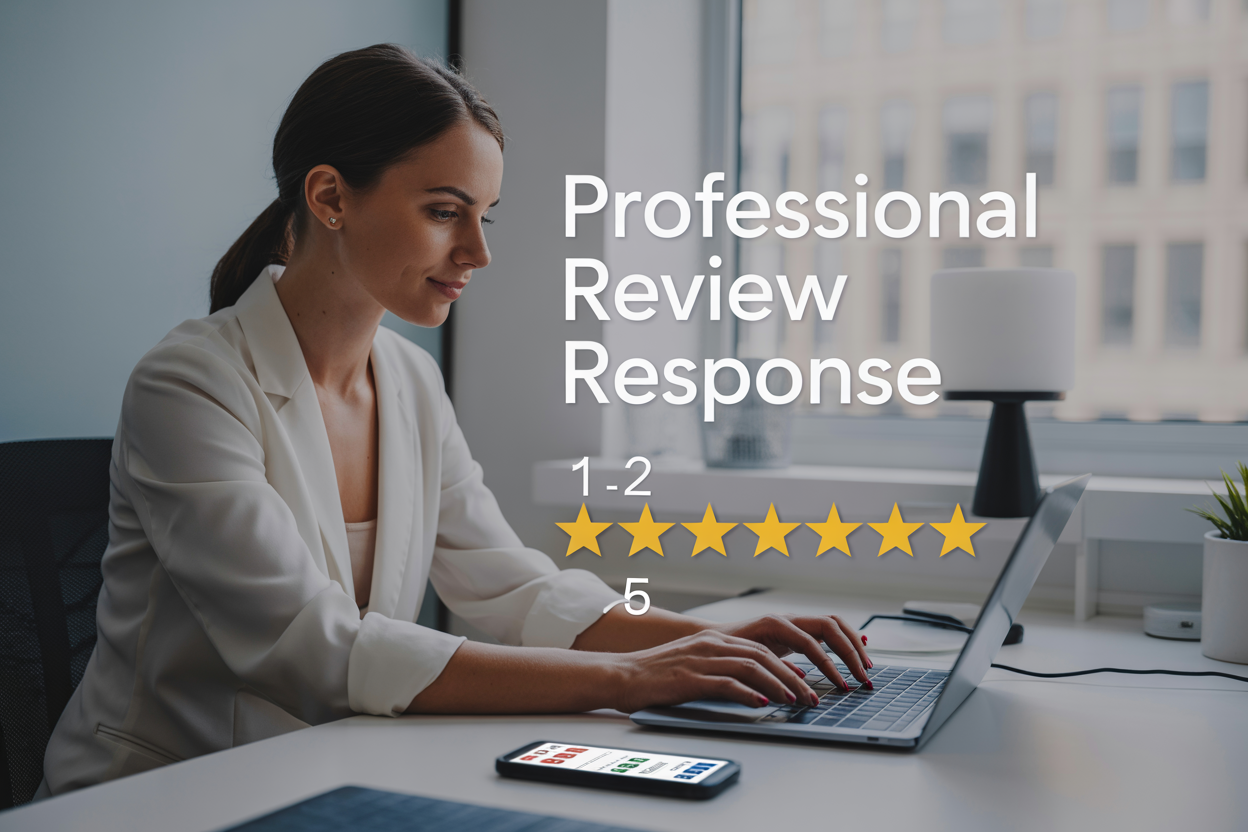
Different types of reviews require different response timelines to maximize their impact. Responding to customer reviews becomes much more effective when you establish specific timeframes based on review sentiment and urgency.
For positive reviews, aim to respond within 24-48 hours. While these don’t require immediate attention like negative feedback, timely acknowledgment shows appreciation and encourages future customers to leave reviews. Responding to 5 star reviews can wait slightly longer without damaging your reputation.
Negative reviews demand immediate action. Set a goal of responding within 2-4 hours during business hours, or within 12 hours maximum. Quick responses to complaints demonstrate that you take customer concerns seriously and can prevent situations from escalating on public platforms.
Neutral reviews (3-star ratings) should receive responses within 12-24 hours. These reviews often contain valuable feedback that can help you improve, and your response might influence the customer to update their rating.
| Review Type | Response Time Goal | Priority Level |
|---|---|---|
| 1-2 Star Reviews | 2-4 hours | Urgent |
| 3 Star Reviews | 12-24 hours | High |
| 4-5 Star Reviews | 24-48 hours | Medium |
Responding to customer complaints quickly also helps with search engine visibility, as fresh, relevant content signals active engagement to algorithms.
Create Standardized Templates for Common Scenarios
Developing templates streamlines your review response process while maintaining consistency in your brand voice. Customer review response examples serve as building blocks that you can customize for specific situations.
Create templates for common positive review scenarios:
- General appreciation responses
- Responses highlighting specific products or services mentioned
- Replies to repeat customer reviews
- Responses to detailed feedback with multiple compliments
Your reply to customer positive feedback template might include: “Thank you for taking the time to share your experience with [specific service/product]. We’re thrilled that [specific detail from review]. We look forward to serving you again soon!”
For negative reviews, develop templates that:
- Acknowledge the customer’s concern
- Apologize when appropriate
- Offer a solution or next steps
- Invite offline conversation for resolution
Responding to negative customer reviews requires more nuanced templates. A basic structure could be: “We sincerely apologize for your experience with [specific issue]. This doesn’t reflect our usual standards. Please contact us at [contact info] so we can make this right.”
Remember to always personalize templates with specific details from each review. Generic responses feel automated and can damage your reputation rather than improve it.
Assign Dedicated Team Members for Review Management
Best practices for responding to customer reviews include having designated team members who understand your brand voice and response protocols. Don’t leave review responses to chance or assign them as an afterthought.
Choose team members who possess:
- Excellent written communication skills
- Understanding of your products and services
- Ability to remain calm under pressure
- Knowledge of conflict resolution techniques
- Authority to offer solutions or escalate issues appropriately
Create a clear hierarchy for review management. Designate primary responders for routine positive reviews and experienced team members for complex negative feedback. Responding to customer feedback effectively requires consistency in tone and approach.
Establish backup coverage for weekends, holidays, and peak business periods. Responding to reviews shouldn’t stop when your primary team member is unavailable, especially for negative feedback that requires urgent attention.
Train your team on platform-specific response features. How to respond to google review response differs from responding on Yelp or industry-specific platforms. Each platform has unique character limits, formatting options, and audience expectations.
Implement Review Monitoring Tools and Alerts
Manual review monitoring becomes impossible as your business grows across multiple platforms. Responding to online reviews efficiently requires automated systems that alert you to new feedback immediately.
Set up Google Alerts for your business name combined with review-related keywords. This catches reviews on platforms you might not actively monitor. Many review management tools offer real-time notifications via email, SMS, or mobile apps.
Popular monitoring tools include:
- Google My Business notifications
- Yelp for Business Manager
- ReviewTrackers
- Birdeye
- Podium
- Grade.us
Configure alerts based on review sentiment and rating thresholds. Responding to bad reviews becomes easier when you receive immediate notification of 1-2 star reviews, allowing for rapid response.
Create dashboard systems that show response rates, average response times, and pending reviews across all platforms. This helps identify patterns and ensures no reviews slip through the cracks. Responding to customer reviews best practices include tracking metrics that matter to your business growth and reputation management.
Monitor competitor reviews as well. Understanding how others in your industry handle responding to reviews can provide insights for improving your own strategy and identifying market opportunities.
Master the Art of Responding to Positive Reviews

Express Genuine Gratitude and Appreciation
When customers take time to leave positive feedback, they’re doing your business a significant favor. Responding to customer reviews with authentic gratitude shows you don’t take their support for granted. Start with heartfelt thank-you language that feels personal rather than robotic.
Skip the generic “Thanks for your review!” Instead, try phrases like “We’re truly grateful you chose us” or “Your kind words made our entire team’s day.” This approach to responding to positive customer feedback creates an emotional connection that goes beyond a simple transaction.
Consider the impact of your gratitude beyond the individual customer. Other potential customers reading these exchanges see a business that genuinely cares about its clientele. This public display of appreciation becomes part of your brand story, showing prospects what kind of experience they can expect.
Highlight Specific Details Mentioned by Customers
Generic responses kill the personal touch that makes review replies powerful. When customers mention specific aspects of their experience – whether it’s your friendly staff member Sarah, the perfectly cooked salmon, or your lightning-fast delivery – acknowledge these details directly in your response.
Customer review response examples that work well include phrases like “We’re thrilled you enjoyed the chocolate cake you mentioned” or “So glad our team member Maria could help make your visit special.” This level of specificity shows you actually read their feedback rather than copying and pasting a template.
Referencing specific details also reinforces positive aspects of your business to future customers. When someone reads that multiple reviewers praise your “cozy atmosphere” or “knowledgeable staff,” these repeated elements become selling points for your business.
| Review Element | Response Approach | Example |
|---|---|---|
| Staff Member Named | Personal Recognition | “We’ll be sure to pass along your compliments to Jessica!” |
| Specific Product/Service | Feature Reinforcement | “Delighted you loved our signature BBQ ribs” |
| Experience Detail | Value Confirmation | “Your mention of our quick service means the world to us |
Encourage Continued Engagement and Loyalty
Turn positive reviews into relationship-building opportunities. How to respond to good customer reviews effectively means looking beyond the immediate thank-you to foster ongoing connections. Invite customers back by mentioning new offerings, upcoming events, or seasonal specials they might enjoy.
Smart businesses use review responses as soft marketing tools. “Since you loved our Italian dishes, you’ll want to try our new chef’s special pasta coming next month” creates anticipation and gives customers a reason to return. This strategy transforms a one-time positive interaction into a pathway for repeat business.
Consider creating loyalty touchpoints within your responses. Mention customer loyalty programs, exclusive offers, or VIP experiences available to valued customers. These subtle invitations make customers feel special while driving future business. Remember to keep these promotional elements light – the primary focus should remain on gratitude and acknowledgment.
Responding to 5 star reviews provides the perfect opportunity to build brand advocates. Happy customers who receive thoughtful, engaging responses are more likely to recommend your business to friends and family, expanding your reach through word-of-mouth marketing.
Navigate Negative Reviews with Professionalism

Respond quickly to minimize damage
Time is your enemy when dealing with negative reviews. Every hour that passes without a response allows frustration to grow and potential customers to form negative impressions about your business. The best practices for responding to customer reviews show that businesses should aim to respond within 24 hours, but ideally within a few hours during business days.
Quick responses demonstrate that you actively monitor feedback and care about customer concerns. This responsiveness can turn a potentially damaging situation into an opportunity to showcase excellent customer service. When responding to negative customer reviews, your speed sends a clear message that customer satisfaction matters to your organization.
Set up review monitoring alerts across platforms like Google, Yelp, and industry-specific sites. This ensures you catch new reviews quickly and can respond before negative sentiment spreads. Remember, other potential customers are watching how you handle complaints, making your response timing crucial for maintaining your reputation.
Acknowledge the customer’s concerns without admitting fault
Smart businesses master the art of validation without liability. When responding to bad reviews, acknowledge the customer’s experience and emotions without accepting blame for issues that may not be your fault. This balanced approach shows empathy while protecting your business legally.
Use phrases like “I understand your frustration” or “I can see why this experience was disappointing” rather than “We’re sorry we messed up” when the facts aren’t clear. This technique validates their feelings while avoiding admission of wrongdoing.
Customer review response examples that work well include:
- “Thank you for sharing your feedback about your recent visit”
- “I appreciate you taking time to let us know about your experience”
- “Your concerns are important to us, and I want to understand what happened”
This approach maintains professionalism while opening dialogue for resolution. The goal is showing you care about their experience without automatically accepting fault for every complaint.
Offer specific solutions or next steps
Generic responses like “We’ll do better” don’t cut it when responding to customer complaints. Customers want concrete actions that address their specific issues. Your response should include clear, actionable steps that demonstrate commitment to resolution.
For service issues, offer specific remedies:
- Refunds or credits for unsatisfactory purchases
- Replacement products or services
- Direct contact with management for complex problems
- Specific policy changes or staff training commitments
When responding to reviews on Google or other platforms, provide your direct contact information and invite further discussion. This shows transparency and willingness to work toward solutions. Business review responses that include specific next steps are more likely to satisfy upset customers and impress potential ones.
Always include timeframes for your proposed solutions. Instead of saying “We’ll look into this,” try “I’ll personally investigate this issue and contact you within 48 hours with our findings and next steps.”
Take heated conversations offline when necessary
Public review platforms aren’t the right place for lengthy back-and-forth discussions, especially when emotions run high. Professional response to customer complaints involves knowing when to move conversations to private channels.
When responding to online reviews that involve complex issues or angry customers, acknowledge the concern publicly, then invite private discussion. Use language like:
“I’d like to discuss this matter with you personally to ensure we address all your concerns. Please call me directly at [phone number] or email [email address] so we can work toward a resolution.”
This approach serves multiple purposes:
- Shows other customers you’re proactive about problem-solving
- Prevents public arguments that damage your reputation
- Allows for more detailed, personalized resolution discussions
- Protects sensitive customer information from public exposure
Never engage in public arguments or defensive responses. These interactions become permanent records that future customers will see and judge your business by.
Follow up to ensure resolution satisfaction
Your response to customer feedback shouldn’t end with the initial reply. Following up demonstrates genuine commitment to customer satisfaction and often turns negative experiences into positive ones. This step separates businesses that truly care from those just going through the motions.
After implementing your proposed solution, reach out to confirm the customer is satisfied. This might involve:
- Calling to verify service issues were resolved
- Sending follow-up emails after refunds or replacements
- Checking in a week later to ensure ongoing satisfaction
- Inviting them to update their review if they’re happy with the resolution
Many customers will update or remove negative reviews when they experience exceptional follow-up service. This proactive approach to responding to customer complaints examples shows future reviewers that you stand behind your commitments.
Track your follow-up success rates to measure how effectively you’re converting negative experiences into positive outcomes. This data helps refine your response strategy and demonstrates the value of thorough complaint resolution processes.
Optimize Response Timing for Maximum Impact

Prioritize responses based on review severity and visibility
Speed matters most when dealing with high-stakes reviews that can make or break your reputation. Negative reviews on highly visible platforms like Google My Business and Yelp deserve immediate attention – aim to respond within 2-4 hours during business hours. These reviews appear in search results and directly influence potential customers’ decisions.
Create a priority matrix to categorize reviews:
| Priority Level | Response Time | Examples |
|---|---|---|
| Critical | Within 2 hours | 1-2 star reviews on Google, public complaints with safety concerns |
| High | Within 4 hours | 3-star reviews with specific issues, negative feedback on social media |
| Medium | Within 24 hours | 4-star reviews with minor concerns, positive reviews with questions |
| Low | Within 48 hours | 5-star reviews without specific issues requiring attention |
Reviews mentioning specific problems like poor service, food safety issues, or billing disputes need faster responses than generic complaints. Public platforms where reviews remain visible to all visitors take precedence over private feedback channels.
Monitor review platforms actively throughout the day rather than checking once daily. Set up notifications for new reviews so you can spot urgent situations immediately. Train team members to escalate serious reviews to management for quick response approval.
Maintain consistent response schedules across all platforms
Your customers expect the same level of responsiveness whether they review you on Google, Facebook, Yelp, or industry-specific platforms. Inconsistent response times send mixed messages about your commitment to customer service and can damage trust.
Develop platform-specific response timeframes based on each platform’s user expectations:
- Google My Business: Respond within 4-6 hours during business days
- Yelp: Target 6-8 hour response times for negative reviews
- Facebook: Aim for 2-4 hours since users expect social media speed
- TripAdvisor: 12-24 hours is acceptable for travel industry
- Amazon: 24-48 hours aligns with e-commerce expectations
Create a review response calendar that assigns team members to monitor specific platforms during designated hours. This prevents reviews from falling through the cracks and ensures someone always takes ownership of responding to customer feedback.
Track your average response times by platform monthly. If you’re consistently missing your targets on certain platforms, either adjust your timeline expectations or allocate more resources to those channels. Customers notice when businesses are active on some platforms but neglect others.
Use automation tools for immediate acknowledgment
Automation bridges the gap between when reviews arrive and when you can craft thoughtful, personalized responses. Set up immediate auto-acknowledgments that buy you time while showing customers their feedback matters.
Configure automated responses that trigger within minutes of new reviews:
For positive reviews:
“Thank you for taking time to share your experience! We’re thrilled you enjoyed [specific detail from review]. A team member will follow up with a personalized response shortly.”
For negative reviews:
“We appreciate your feedback and sincerely apologize for falling short of your expectations. A manager will personally address your concerns within [timeframe]. Please contact us directly at [phone/email] for immediate assistance.”
Popular automation tools include Podium, BirdEye, and ReviewTrackers, which can monitor multiple platforms simultaneously and send instant notifications to your team. These tools also track response metrics and help identify patterns in customer feedback.
Balance automation with authentic human responses. Use automation for initial acknowledgment, but always follow up with genuine, personalized responses that address specific points raised in reviews. Customers can tell when responses are completely automated, which can feel impersonal and damage relationships rather than repair them.
Set up escalation workflows within your automation system so serious issues immediately alert managers or customer service leads who can take swift action beyond standard response protocols.
Craft Responses That Build Brand Reputation

Match your brand voice and tone consistently
Your brand voice should shine through every single review response, creating a cohesive experience that customers recognize across all platforms. Whether your business maintains a professional, friendly, or casual tone, consistency builds trust and reinforces your brand identity.
Think about how your customers perceive your brand – are you the approachable neighborhood restaurant or the premium service provider? Your review responses should reflect this personality. If you normally communicate with humor and warmth in your marketing, don’t switch to robotic corporate speak when responding to reviews. Customers notice these inconsistencies, and they can damage the authentic connection you’ve worked to build.
Create response templates that capture your unique voice while leaving room for personalization. This approach helps maintain consistency across team members who might handle review responses. Document your brand’s preferred language, tone guidelines, and phrases that align with your values. When responding to customer reviews, refer back to these guidelines to ensure every interaction reinforces your brand personality.
Include relevant keywords naturally for SEO benefits
Smart keyword integration in review responses can boost your local SEO without sounding forced or unnatural. When crafting responses, naturally weave in terms that customers use when searching for businesses like yours.
For restaurants, mentioning specific dishes, cuisine types, or dining experiences in your responses helps search engines understand what you offer. A response might say, “We’re thrilled you enjoyed our handmade pasta and cozy atmosphere” rather than just “Thanks for the great review.”
Service businesses can reference their specialties, service areas, or unique offerings. An HVAC company might respond with, “Thank you for choosing us for your air conditioning repair in downtown. We pride ourselves on fast, reliable service.”
The key is keeping it natural – search engines and customers both prefer authentic language over keyword stuffing. Focus on addressing the customer’s specific experience while incorporating relevant terms that describe your business offerings.
Show transparency and accountability in your communication
Honest, transparent communication builds credibility and shows potential customers that you take responsibility for your business operations. When issues arise, acknowledge them directly rather than making excuses or deflecting blame.
For positive reviews, transparency means being specific about what the customer experienced. Instead of generic thanks, reference particular aspects they mentioned: “We’re so glad our quick service and fresh ingredients made your lunch break perfect.”
With negative feedback, transparency requires admitting when something went wrong and explaining what you’re doing to fix it. Avoid defensive language or shifting blame to external factors. A transparent response might say, “You’re absolutely right that we fell short on service speed last Tuesday. We’ve added staff during peak hours to prevent this from happening again.”
This approach shows other potential customers that you’re honest about your operations and committed to continuous improvement. People respect businesses that own their mistakes and take concrete action to address problems.
Demonstrate your commitment to customer satisfaction
Every review response offers an opportunity to showcase how much you value customer happiness and loyalty. Your responses should make it clear that customer satisfaction drives your business decisions and improvements.
Go beyond simple thank-you messages by explaining specific actions you take based on customer feedback. When someone mentions excellent service, highlight how you support and recognize your team members. If a customer suggests an improvement, let them know you’re seriously considering it or have already implemented changes.
Follow up on commitments made in public responses with private messages or calls when appropriate. This extra step shows you genuinely care about resolving issues and maintaining relationships beyond just managing your online reputation.
Share concrete examples of improvements you’ve made based on customer input. This demonstrates that you don’t just listen to feedback – you act on it. When customers see that their opinions lead to real changes, they’re more likely to continue engaging with your business and recommending it to others.
Your commitment to customer satisfaction should feel genuine and personal, not like a corporate policy. Address each reviewer as an individual whose experience matters to you personally, not just as a business metric to manage.
Track and Measure Your Review Response Success

Monitor Response Time Metrics and Improvement Trends
Tracking your response speed creates a clear picture of your customer service performance. Start by documenting when each review arrives and when you post your reply. Most businesses find that responses within 24 hours receive better customer reactions than those posted days later.
Set up a simple spreadsheet or use review management tools to log these timestamps. Look for patterns in your data – do you respond faster to positive reviews than negative ones? Are weekends causing delays in your response times? This information helps identify where improvements are needed.
Key metrics to track:
- Average response time per review type (positive, negative, neutral)
- Weekly and monthly response time trends
- Peak review periods and your response capacity
- Staff response time performance (if multiple team members handle reviews)
Review these numbers monthly to spot improvement opportunities. Many businesses discover they can cut response times in half just by creating standardized templates for common review scenarios.
Analyze Customer Sentiment Changes After Responses
Your responses can completely flip a customer’s opinion about your business. Track whether angry reviewers become advocates after receiving thoughtful replies. Monitor follow-up interactions – do customers update their reviews, recommend you to friends, or return as repeat buyers?
Create a simple rating system to measure sentiment before and after your responses:
- Before response: Rate the original review tone (1-5 scale)
- After response: Track any follow-up interactions or review updates
- Long-term impact: Monitor if the customer returns or refers others
Social listening tools can help track mentions of your business across platforms. Look for customers sharing screenshots of your professional responses or praising your customer service in other forums. These positive mentions often result from well-crafted review responses.
Document specific response strategies that work best. Do detailed explanations perform better than brief acknowledgments? This data guides your response strategy moving forward.
Measure the Impact on Overall Review Ratings and Volume
Regular review responses often trigger more customer feedback. Track your overall rating trends and review volume before and after implementing consistent response practices. Many businesses see a 20-30% increase in positive reviews once customers realize the company actively engages with feedback.
Monitor these key indicators:
| Metric | Before Responses | After 3 Months | After 6 Months |
|---|---|---|---|
| Average star rating | |||
| Monthly review volume | |||
| Positive review percentage | |||
| Review response rate |
Watch for changes in review content quality too. Customers often leave more detailed, constructive feedback when they know businesses read and respond. This richer feedback becomes valuable for business improvements.
Track platform-specific performance since each review site has different user behaviors. Google reviews might show different trends than Yelp or industry-specific platforms. Understanding these patterns helps allocate your response efforts where they create the biggest impact on your online reputation and business growth.

Responding to customer reviews isn’t just about being polite—it’s about building a strong brand that people trust and want to do business with. When you take the time to thank customers for positive feedback, address concerns professionally when things go wrong, and respond quickly across the board, you’re showing everyone who reads those reviews that you genuinely care about your customers’ experiences.
The businesses that get this right don’t just wing it. They have a clear plan for how they’ll respond, they know what tone to use, and they track how their efforts are paying off. Start implementing these strategies today, and watch how your online reputation transforms from something that just happens to you into something you actively shape and improve.
FAQs
How quickly should I respond to customer reviews?
You should aim to respond within 24-48 hours for most reviews. For negative reviews, try to respond even faster – ideally within a few hours during business hours. Quick responses show you care about customer feedback and are actively monitoring your online reputation.
What should I include in every review response?
Start by thanking the customer for taking time to leave feedback. Address them by name if possible, acknowledge their specific experience, and sign off with your name or business name. Keep it personal but professional.
How do I respond to positive reviews without sounding repetitive?
Vary your language by highlighting different aspects of their experience. Instead of just saying “thanks,” mention specific services they praised, ask about their favorite part, or invite them to try something new next time. Make each response feel genuine and specific to their review.
What’s the best way to handle negative reviews publicly?
Stay calm and professional. Apologize for their poor experience, acknowledge their concerns without making excuses, and offer to resolve the issue privately. Provide a direct phone number or email where they can reach you to discuss the matter further.
Should I respond to every single review I receive?
Yes, you should respond to all reviews when possible. Even a simple “thank you” to positive reviews shows you appreciate feedback. For businesses with high review volumes, prioritize negative reviews and detailed positive ones first.
Can I ask customers to update or remove their negative reviews?
You can politely ask customers to consider updating their review after you’ve resolved their issue, but never demand or pressure them to do so. Focus on fixing the problem first – satisfied customers often update reviews on their own.
What tone should I use when responding to reviews?
Keep your tone friendly, professional, and genuine. Avoid sounding robotic or overly corporate. Write like you’re having a conversation with a friend, but maintain respect and professionalism throughout.
How do I handle fake or unfair negative reviews?
First, try responding professionally as you would to any review. If the review violates platform guidelines or is clearly fraudulent, report it to the review platform. Document everything and avoid getting into public arguments about the review’s authenticity.
What common mistakes should I avoid in review responses?
Don’t get defensive, argue with reviewers, or share private customer information publicly. Avoid copy-pasting identical responses, ignoring negative feedback, or making promises you can’t keep. Also, don’t ask for reviews in your responses to existing reviews.
How can responding to reviews help my business beyond customer service?
Review responses show potential customers how you handle problems and treat people. They improve your online visibility since search engines often display review snippets. Plus, thoughtful responses can turn unhappy customers into loyal ones and demonstrate your company values to future customers.