Are you struggling to keep viewers watching your videos until the end? You’re not alone. Learning how to improve video watch time and engagement is one of the biggest challenges content creators face today. Whether you’re trying to figure out how to improve watch time on YouTube or boost engagement across other platforms, this guide will walk you through proven strategies that actually work.
Understanding Video Watch Time and Engagement
Video watch time refers to the total amount of time viewers spend watching your videos. It’s different from views because it measures actual engagement rather than just clicks. The average YouTube watch time per day varies, but most successful videos maintain viewer attention for at least 50% of their duration.
Engagement goes beyond watch time and includes:
- Comments and replies
- Likes and shares
- Click-through rates
- Subscriber conversions
- Community interactions
Why These Metrics Matter
Platforms like YouTube use watch time as a major ranking factor. Videos with higher average view duration get recommended more often, creating a cycle of increased visibility and growth. Understanding how to increase video watch time directly impacts your content’s reach and success.
Creating Compelling Video Content
Content Quality Fundamentals
The foundation of how to improve video engagement starts with quality content. Your videos need to provide real value to viewers, whether that’s entertainment, education, or solving a specific problem.
Key elements of engaging content:
- Clear, focused topics that match viewer intent
- Well-structured information flow
- Relevant examples and demonstrations
- Consistent pacing that maintains interest
Planning Your Content Strategy
Before creating any video, ask yourself:
- What specific problem does this solve?
- Who exactly is my target audience?
- What action do I want viewers to take?
- How does this fit into my overall content plan?
Mastering the First 15 Seconds
Hook Your Audience Within 15 Seconds
The opening moments of your video are critical. You need to hook your audience within 15 seconds or risk losing them forever. Most viewers decide whether to continue watching based on this brief introduction.
Effective opening strategies:
- Start with a compelling question or statement
- Preview the most interesting part of your content
- Address the viewer’s pain point immediately
- Use pattern interrupts to grab attention
Creating Strong Video Introductions
Skip lengthy introductions about yourself or your channel. Instead, jump straight into delivering value. For example, instead of “Hi everyone, welcome back to my channel,” try “In the next 5 minutes, you’ll learn exactly how to double your video watch time.”
Optimizing Video Titles and Thumbnails
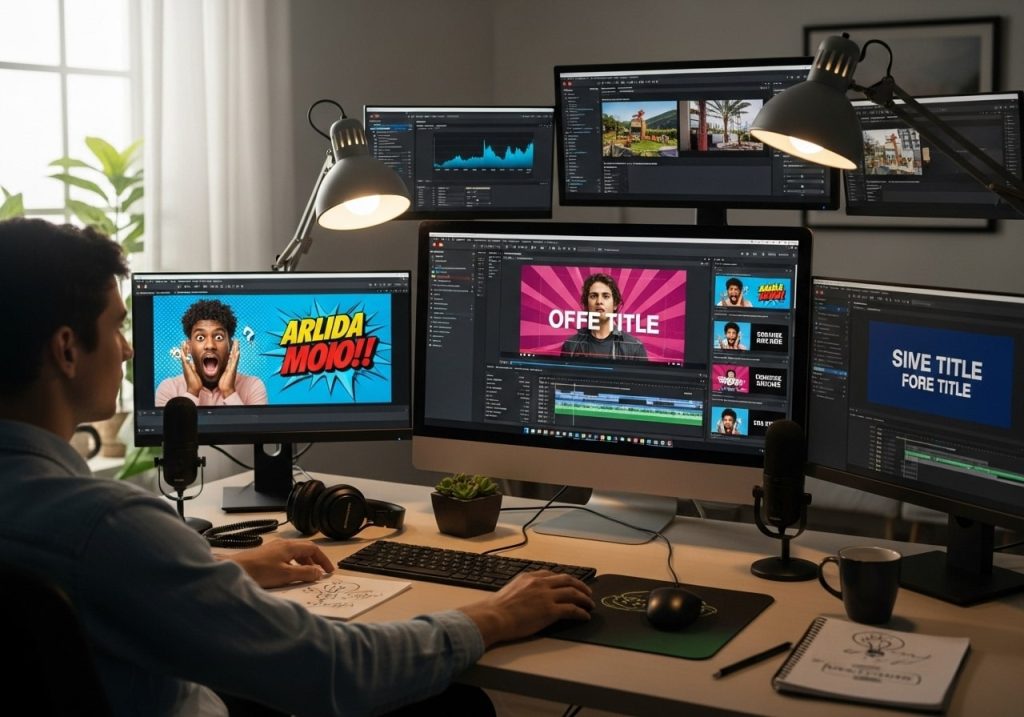
Optimize Video Titles and Thumbnails
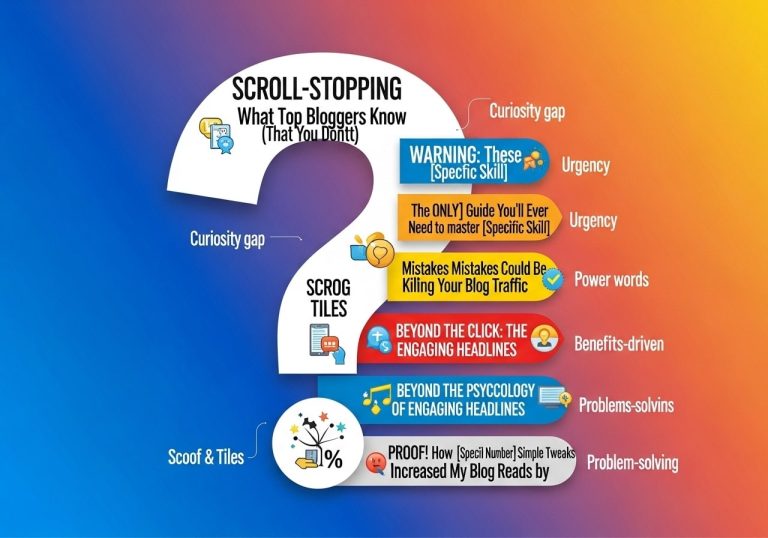
Your title and thumbnail work together as the first impression of your content. They need to create curiosity while accurately representing your video’s value.
Title optimization tips:
- Include your target keyword naturally
- Keep titles under 60 characters for full visibility
- Use numbers and specific benefits when possible
- Create urgency or curiosity without being clickbait
Create Effective Thumbnails
Thumbnails should be visually appealing and readable even at small sizes. Use:
- High contrast colors that stand out
- Clear, large text (if any)
- Expressive faces or compelling visuals
- Consistent branding elements
Learn more about thumbnail design best practices
Improving Video Quality
Technical Quality Standards
Poor video quality kills engagement faster than almost anything else. Whether you’re wondering how to improve video quality after recording or want to enhance live streaming, focus on these basics:
Video quality checklist:
- Minimum 1080p resolution
- Stable footage (use tripods or stabilizers)
- Clear, crisp audio (invest in a good microphone)
- Proper lighting (natural light or basic lighting kit)
Platform-Specific Quality Tips
Different platforms have different requirements:
How to improve video quality on Zoom:
- Use HD camera settings
- Ensure strong internet connection
- Enable “HD” in video settings
- Use external lighting when possible
How to improve streaming video quality:
- Test your upload speed before going live
- Use wired internet connections
- Adjust bitrate settings appropriately
- Have backup internet options ready
Engaging Your Audience Early
Encourage Viewer Interaction
Active engagement signals to platforms that your content is valuable. The key to how to improve engagement in virtual meetings and regular video content is making viewers feel involved.
Engagement strategies:
- Ask specific questions throughout your video
- Create polls or surveys related to your content
- Respond to comments quickly and meaningfully
- Build a community around shared interests
Building Connection With Viewers
People watch videos created by people they like and trust. Show your personality while maintaining professionalism. Share relevant personal experiences and be authentic in your communication style.
Using YouTube Analytics
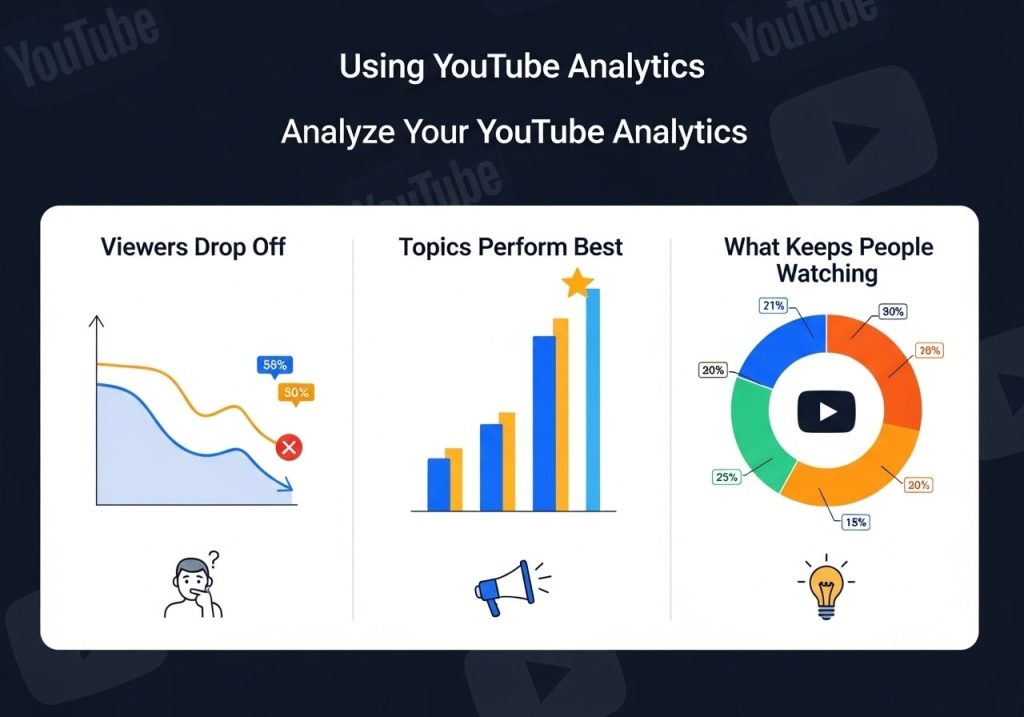
Analyze Your YouTube Analytics
Data drives improvement. Your analytics show exactly where viewers drop off, which topics perform best, and what keeps people watching.
Key metrics to monitor:
- Average view duration
- Audience retention graphs
- Click-through rates
- Traffic sources
- Subscriber conversion rates
Making Data-Driven Improvements
Look for patterns in your best-performing content:
- What topics get the highest watch time?
- Which video lengths work best for your audience?
- What time of day generates most engagement?
- Which thumbnails get the highest click-through rates?
Leveraging YouTube Shorts
Leverage YouTube Shorts
Short-form content can boost your overall channel performance. The average view duration on YouTube Shorts is typically higher as a percentage of total video length.
YouTube Shorts best practices:
- Keep the most engaging content in the first 3 seconds
- Use trending sounds and hashtags appropriately
- End with clear calls-to-action for your longer content
Cross-Promote Your Own Videos on YouTube
Use Shorts to drive traffic to your longer videos. Create teaser content that naturally leads viewers to want more detailed information available in your full-length videos.
Platform-Specific Strategies
YouTube-Specific Tactics
How to get more watch time on YouTube:
- Create playlists that auto-play related content
- Use end screens and cards strategically
- Optimize for suggested video placement
- Collaborate with creators in your niche
Other Platform Considerations
How to improve video quality on Facebook:
- Upload videos directly to Facebook rather than sharing YouTube links
- Use captions since many users watch without sound
- Create native content that fits Facebook’s culture
- Post at times when your audience is most active
How to improve video quality on Vimeo:
- Take advantage of Vimeo’s higher quality compression
- Use detailed descriptions and tags
- Engage with the creative community
- Showcase professional, high-quality content
Common Mistakes to Avoid
Content Planning Mistakes
Many creators focus too much on production quality while ignoring content strategy. Your video can look perfect but still fail if it doesn’t provide value or connect with viewers.
Technical Mistakes
- Inconsistent audio levels throughout the video
- Poor lighting that makes it hard to see important details
- Overly long introductions that lose viewer interest
- Neglecting mobile viewing experience
Engagement Mistakes
- Asking for likes and subscriptions too early or too often
- Ignoring comments and community feedback
- Creating content only for yourself rather than your audience
- Failing to analyze performance data
Advanced Strategies for Long-Term Growth
Building Sustainable Engagement
Focus on creating evergreen content that continues attracting viewers months after publication. Educational content, tutorials, and comprehensive guides often have longer lifespans than trending topic videos.
Community Building
The most successful creators build communities around their content. Respond to comments, create content based on viewer requests, and make your audience feel heard and valued.
Consistency and Patience
Improving video watch time and engagement takes time. Consistency in posting, quality, and messaging helps build audience trust and platform algorithm favor.
Understanding how to improve video watch time and engagement requires a combination of technical knowledge, creative skills, and strategic thinking. Start by focusing on creating genuinely valuable content, then optimize your technical setup and use data to guide your improvements. Remember that building a engaged audience takes time, but these strategies will help you see steady progress in your video performance metrics.
Ready to put these strategies into action? Start by analyzing your current video analytics to identify your biggest opportunities for improvement, then implement these techniques one at a time to avoid overwhelming yourself or your audience.
FAQs
What is video watch time and why does it matter?
Video watch time is the total amount of time viewers spend watching your videos. This metric matters because platforms like YouTube use it to decide which videos to recommend to more people. When viewers watch your videos for longer periods, the platform sees your content as valuable and shows it to a wider audience.
How long should my videos be to keep people watching?
There’s no perfect length that works for everyone. The key is matching your video length to your content type and audience. Educational content might work well at 8-12 minutes, while quick tips could be 3-5 minutes. Start by checking when most of your viewers drop off in your current videos, then adjust your length accordingly.
What’s the best way to start a video to grab attention?
Jump straight into your main topic within the first 10-15 seconds. Skip long introductions and tell viewers exactly what they’ll learn or gain from watching. You can also start with a preview of your best tip or most interesting point to hook them right away.
How do I keep viewers interested throughout the entire video?
Break your content into clear sections and tell viewers what’s coming next. Use simple transitions like “Now let’s look at…” or “The next thing you need to know is…” Change your camera angle, show your screen, or include graphics every 30-60 seconds to keep things visually interesting.
Should I ask viewers to like and subscribe, and when?
Yes, but do it naturally. Ask for engagement when it makes sense, like after sharing a valuable tip. Instead of generic requests, try something specific like “If this tip helped you, hit the like button so I know to make more videos like this.” Save the main call-to-action for the end of your video.
What role do thumbnails and titles play in watch time?
Your thumbnail and title work together to set proper expectations. If they promise something your video doesn’t deliver, people will click away quickly. Make sure your thumbnail shows what the video is actually about, and your title clearly states the benefit or solution you’re providing.
How can I tell if my videos are performing well?
Check your average view duration in your video analytics. If people are watching more than 50% of your video, you’re doing well. Also look at where people drop off most often – this tells you which parts need improvement. Comments and engagement rates also give you clues about how much people enjoy your content.
What’s the biggest mistake people make that hurts watch time?
The biggest mistake is taking too long to get to the point. Many creators spend the first minute or two on introductions, explanations, or buildup when viewers want the actual content right away. Start with your main value and fill in context as you go.
How often should I post videos to build engagement?
Consistency matters more than frequency. Whether you post once a week or three times a week, stick to your schedule. Your audience will know when to expect new content, and regular posting helps you stay visible in their feeds. Start with what you can manage long-term rather than burning out with daily posts.
Can I improve watch time on old videos that aren’t performing well?
Yes, you can often improve older videos. Add cards and end screens to link to related content, update your description with better keywords, and create new thumbnails if the old ones aren’t working. You can also mention older videos in new content to drive traffic back to them.