Your local business images and videos are powerful tools for attracting customers, but outdated visuals can hurt your credibility and sales. This guide is for small business owners, restaurant managers, retail store operators, and service providers who want to boost customer engagement and showcase their current offerings through fresh, seasonal visual content.
Stale photos of last summer’s patio or winter holiday displays in July tell customers you’re not paying attention to details. Smart businesses know that regularly updating their seasonal media schedule keeps their brand looking current and relevant. When customers see fresh visuals that match the season, they’re more likely to visit, call, or make a purchase.
We’ll walk through the essential elements you need to update in your business photos and videos throughout the year, from storefront displays to product shots. You’ll also learn how to create a strategic media schedule that keeps your content calendar organized and your marketing efforts consistent. Finally, we’ll cover the technical basics for taking professional-looking photos and videos that make your small business stand out online and drive real results.
Why Seasonal Visual Updates Drive Customer Engagement and Sales
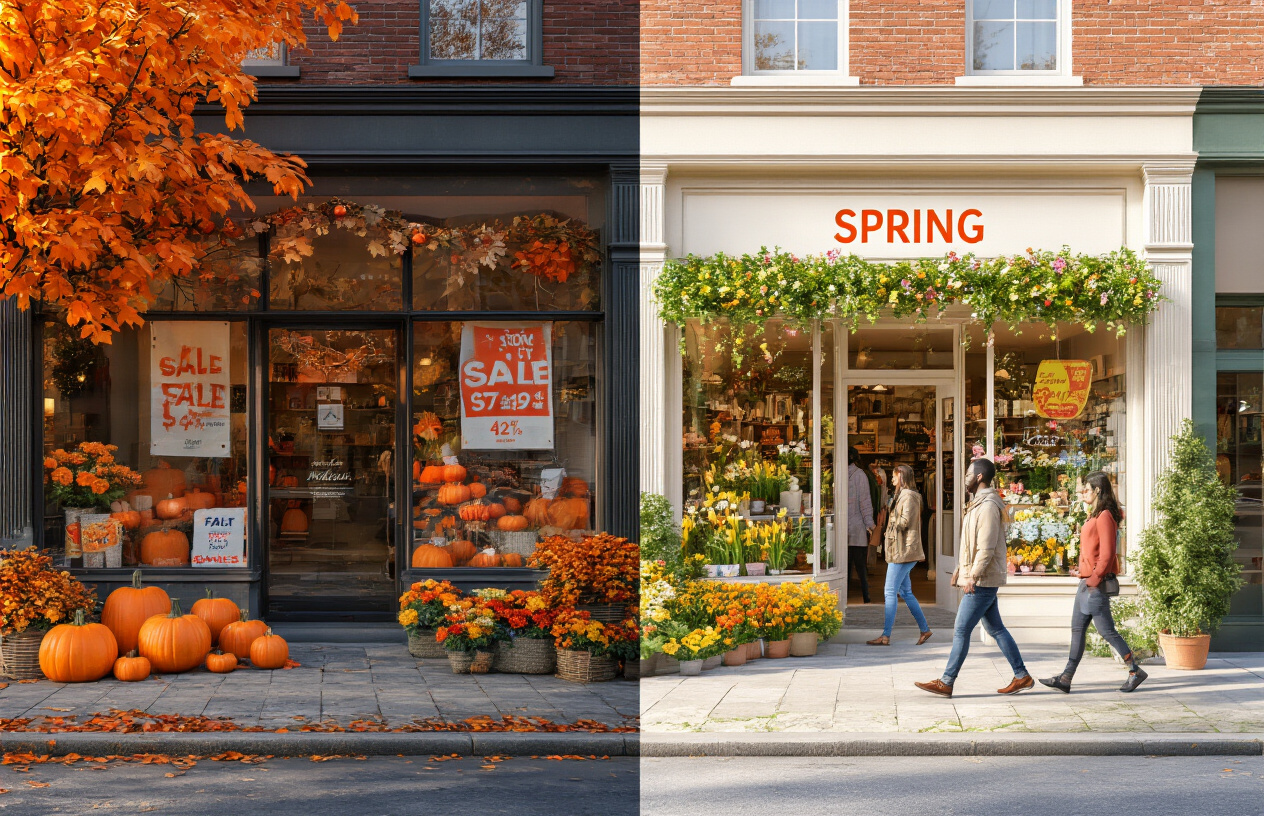
Increased foot traffic during peak seasonal periods
Customers naturally gravitate toward businesses that reflect the current season and showcase relevant offerings. When your local business updates seasonal images and videos, you create visual cues that instantly communicate timeliness and relevance. A coffee shop displaying cozy fall imagery with pumpkin spice offerings during autumn, or a landscaping company featuring fresh spring planting photos, speaks directly to what customers want right now.
Local business video content featuring current seasonal services acts as a powerful traffic driver. Restaurants posting videos of their outdoor patio setup during the summer months or retail stores showcasing holiday displays create urgency and desire. These visual updates work especially well when combined with your media schedule to target peak seasonal periods when customer spending increases.
The psychology behind seasonal visuals taps into customers’ desire for connection with their environment and the current moment. When your business images align with what customers see outside their windows, you become part of their seasonal experience rather than just another vendor.
Enhanced brand relevance and customer connection
Seasonal media updates demonstrate that your business stays current and understands your community’s changing needs. This relevance builds stronger emotional connections between your brand and local customers. A small business that consistently updates its visual content shows it’s actively engaged and responsive to its market.
Current offerings displayed through fresh seasonal content help establish your business as a go-to resource rather than a static option. Customers develop loyalty to businesses that feel alive and connected to their daily lives. When your visual content reflects seasonal changes, customers see your business as part of their community’s rhythm and lifestyle.
Video production for small businesses becomes particularly effective when it captures authentic seasonal moments. Behind-the-scenes footage of preparing seasonal products, decorating for holidays, or adapting services for weather changes creates genuine connections that generic stock imagery cannot achieve.
Higher conversion rates from timely promotional content
Timely seasonal visuals directly impact purchasing decisions by creating relevance and urgency. When customers see fresh, current promotional content, they’re more likely to act immediately rather than postpone their decision. A heating company posting videos about winter preparation in early fall captures customers before they face emergency situations.
Local video marketing that showcases seasonal promotions performs significantly better than evergreen content because it addresses immediate needs and desires. Current 0 financing offers or seasonal discounts become more compelling when presented through updated visual content that matches the timing and context.
The combination of seasonal imagery with promotional messaging creates powerful conversion opportunities. Customers seeing a landscaping company’s spring cleanup videos alongside current service offers are more likely to schedule appointments immediately, especially when the visual content reflects their own property’s current seasonal needs.
Improved local search visibility and online presence
Search engines favor fresh, relevant content, and seasonal updates signal active business management. Regular uploads of seasonal business footage and updated images improve your local search rankings by demonstrating consistent activity and relevance to current search queries.
Local business media updates boost visibility across multiple platforms simultaneously. Fresh seasonal content provides material for social media posts, website galleries, and local business listings. This consistent presence across digital platforms reinforces your business’s active status and seasonal relevance.
YouTube for local business becomes particularly powerful when featuring seasonal content, as these videos often rank well in local searches. Customers searching for seasonal services find businesses with current, relevant video content more trustworthy and professional than those with outdated materials.
Essential Elements to Update in Your Seasonal Visual Content
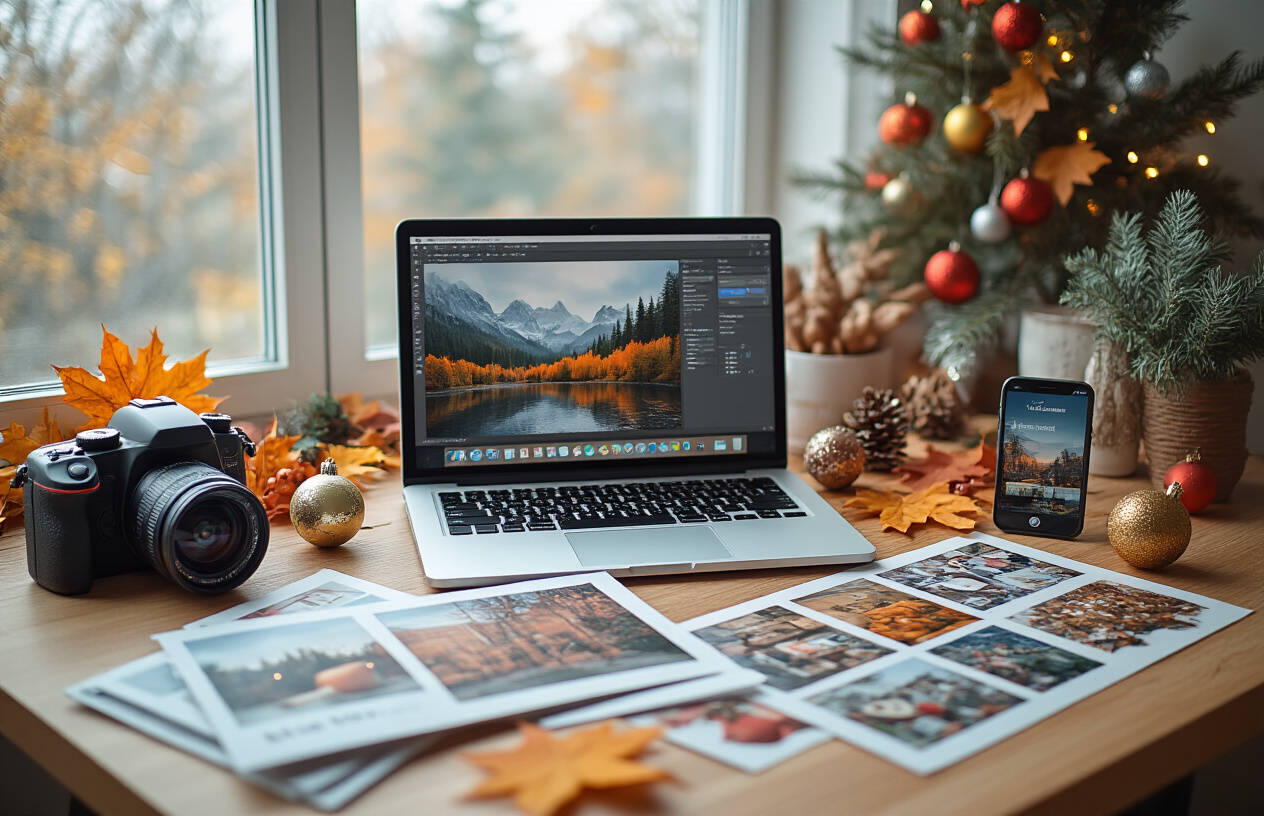
Storefront and Exterior Photography Updates
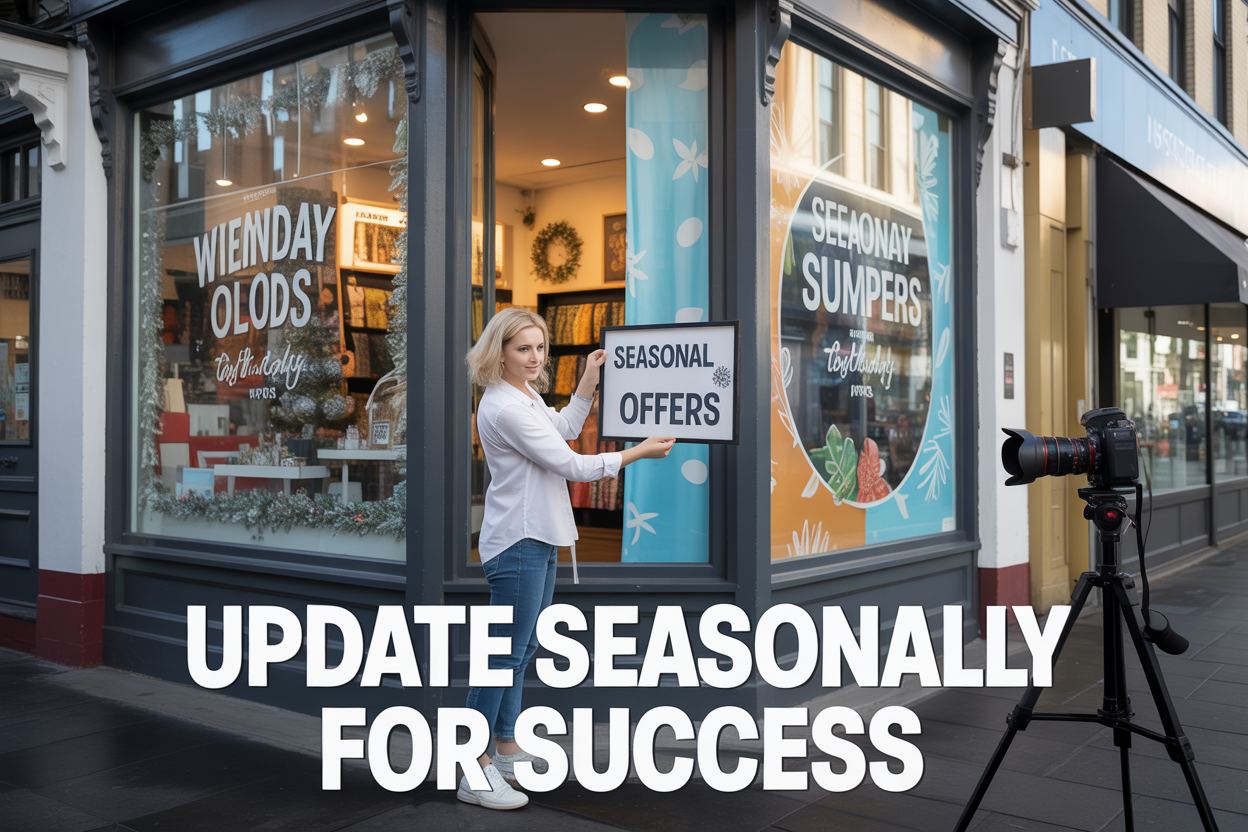
Your storefront serves as the first impression for potential customers, making it crucial to keep exterior photography current throughout the year. Seasonal image video for local business strategies should highlight how your business adapts to different seasons and current offerings. Update your exterior shots to showcase seasonal decorations, weather-appropriate displays, and any temporary outdoor seating or promotional signage.
Fresh exterior photography captures changes in lighting, landscaping, and architectural elements that shift with the seasons. Seasonal images landscaping and lawn care businesses particularly benefit from showing their work across different months, while retail stores can highlight seasonal window displays and entrance decorations.
| Season | Key Updates | Visual Elements |
|---|---|---|
| Spring | Fresh landscaping, outdoor seating setup | Bright lighting, new growth |
| Summer | Extended hours signage, outdoor displays | Vibrant colors, shade structures |
| Fall | Harvest decorations, cozy atmosphere | Warm tones, seasonal products |
| Winter | Holiday decorations, indoor comfort focus | Festive lighting, welcoming entrance |
Product Displays and Inventory Highlights
Current offerings in photography require regular updates to reflect inventory changes, seasonal products, and promotional items. Your small business video production should capture new arrivals, bestsellers, and limited-time products that align with seasonal demand patterns.
Create dynamic product showcases that demonstrate seasonal relevance. Clothing retailers might highlight winter coats in December or swimwear in May, while restaurants can showcase seasonal menu items and holiday specials. Business showcase videos work particularly well for demonstrating how products solve seasonal challenges or enhance seasonal experiences.
Consider these product display updates:
- Monthly featured product rotations
- Seasonal collection launches
- Holiday-themed arrangements
- Weather-appropriate merchandise positioning
- Current 0 financing offers or promotional pricing displays
Staff and Customer Interaction Shots
Authentic staff and customer photography builds trust and shows your business in action throughout different seasons. Local business video content featuring real interactions demonstrates consistent service quality regardless of weather or seasonal challenges.
Capture staff wearing appropriate seasonal attire, helping customers with season-specific needs, and maintaining the same friendly service year-round. Small business videographer professionals recommend updating these shots quarterly to reflect seasonal uniforms, holiday spirit, or weather-appropriate service adaptations.
Document customer interactions during different seasonal peaks – busy holiday shopping periods, summer outdoor service, or cozy winter consultations. These authentic moments showcase your business’s adaptability and commitment to customer service across all seasons.
Behind-the-Scenes Operational Content
Business footage video that shows behind-the-scenes operations builds credibility and transparency. Seasonal operational content demonstrates how your business prepares for different seasonal demands, maintains quality standards, and adapts processes throughout the year.
Videography for small business can capture seasonal preparation activities like inventory restocking for holidays, equipment maintenance before peak seasons, or staff training for seasonal services. Local business media updates featuring operational content help customers understand the care and effort behind your seasonal offerings.
Show seasonal operational elements such as:
- Kitchen prep for seasonal menus
- Inventory management for holiday rushes
- Equipment setup for seasonal services
- Staff coordination during busy periods
- Quality control processes for seasonal products
Making videos for small business operations creates educational content that positions your business as professional and well-prepared for seasonal challenges while building customer confidence in your ability to deliver consistent results year-round.
Strategic Planning for Year-Round Visual Content Calendar

Mapping Major Holidays and Local Events
Building a comprehensive seasonal media schedule starts with identifying key dates that matter to your customers. Mark major holidays like Valentine’s Day, Mother’s Day, Halloween, and Christmas on your content calendar, but don’t stop there. Research local festivals, farmers’ markets, school events, and community celebrations that draw crowds in your area. These local happenings often present golden opportunities for small business video production and seasonal photoshoots.
Create a master calendar that includes national holidays, regional events, and industry-specific peak seasons. For example, landscaping businesses should plan seasonal images lawn care content around spring cleanup and fall preparation periods. Restaurants might focus on graduation parties in May and June, while retail stores should prepare for back-to-school season in August.
Consider the lead time needed for each campaign. Holiday content requires planning 6-8 weeks in advance, while local event coverage might need just 2-3 weeks of preparation. This timeline allows for proper small business video production and ensures your marketing videos for small business reach customers when they’re actively planning purchases.
Aligning Visuals with Inventory Cycles and Promotions
Smart local business media updates sync perfectly with your inventory patterns and promotional calendar. Track when new products arrive, when seasonal items go on clearance, and when you typically run special offers. This data becomes the foundation for your video marketing ideas for small business and photo content planning.
Map out your current offerings throughout the year and identify natural promotional periods. Many businesses experience quarterly cycles that align with media quarters, making it easier to plan consistent content drops. Create a sample media schedule that shows when to highlight different product categories or services.
Your ecommerce video production should showcase items when demand peaks, not when inventory is lowest. Plan business showcase videos around product launches and seasonal transitions. For service-based businesses, align your local video marketing with when customers typically book appointments or make purchasing decisions.
Document patterns in your sales data to predict optimal timing for different visual content types. This approach ensures your business videographer captures relevant footage and your seasonal photoshoots highlight products customers actually want to buy.
Creating Templates for Consistent Brand Messaging
Developing reusable templates streamlines your content creation process while maintaining brand consistency across all seasonal campaigns. Design flexible frameworks for your business video loop content that can accommodate different products, seasons, and promotions without requiring complete redesigns each time.
Build template structures for various content types: product showcases, behind-the-scenes footage, customer testimonials, and promotional announcements. Each template should include designated spaces for seasonal elements while preserving core brand colors, fonts, and messaging tone. This system allows your videography for small business efforts to maintain professional quality while adapting to different seasonal themes.
Create standardized workflows for your filming for small business activities. Establish shot lists, lighting setups, and editing styles that work across seasons but allow for seasonal customization. Your media schedule template should include checkpoints for brand consistency reviews before publishing any content.
Prepare message frameworks that can be customized for different seasons while maintaining your brand voice. Whether you’re creating short business video clips or longer business location video content, having pre-approved messaging templates speeds up production and ensures consistent communication across all your local video production efforts.
Technical Best Practices for High-Impact Business Photography

Optimal lighting techniques for different seasons
Natural lighting changes dramatically throughout the year, making it crucial to adapt your photography approach for each season. During spring and summer, take advantage of the abundant golden hour light by scheduling outdoor shoots one hour after sunrise or before sunset. The soft, warm light creates an inviting atmosphere perfect for showcasing seasonal offerings like patio dining or outdoor retail displays.
Winter photography presents unique challenges but also opportunities. Overcast days provide naturally diffused lighting that eliminates harsh shadows – ideal for capturing crisp product images. When shooting indoors during darker months, position your subjects near large windows and use white foam boards or reflectors to bounce light back onto your products. This technique works exceptionally well for seasonal images featuring holiday merchandise or winter services.
Fall photography benefits from the warm, amber light that complements autumn colors. Schedule your seasonal photoshoots during mid-morning or late afternoon when the sun sits lower in the sky, creating that coveted autumn glow that makes seasonal displays irresistible to customers.
Avoid harsh midday sun year-round, as it creates unflattering shadows and blown-out highlights. Instead, use cloudy conditions to your advantage – they act as a massive natural softbox, providing even illumination perfect for local business images.
Equipment recommendations for small business owners
Smart small business video production doesn’t require Hollywood-level equipment. A modern smartphone with a quality camera serves as your primary tool, capable of producing professional-looking content when paired with the right accessories. Invest in a sturdy tripod with smartphone mount ($30-50) to eliminate shaky footage and ensure consistent framing across your seasonal media schedule.
A simple LED light panel ($25-40) transforms indoor photography, providing consistent illumination regardless of weather conditions. Choose models with adjustable color temperature to match different lighting scenarios throughout your shoots. For outdoor work, a collapsible reflector set ($20-30) helps fill shadows and adds professional polish to your images.
Consider a wireless remote or intervalometer ($15-25) for hands-free shooting, especially useful when you’re the sole photographer documenting your business operations. This tool proves invaluable for creating time-lapse content of seasonal setups or capturing yourself in action.
| Essential Equipment | Price Range | Primary Use |
|---|---|---|
| Smartphone tripod | $30-50 | Stability, consistent framing |
| LED light panel | $25-40 | Indoor lighting control |
| Reflector set | $20-30 | Shadow fill, light direction |
| Wireless remote | $15-25 | Hands-free operation |
| Extra battery packs | $20-35 | Extended shooting sessions |
Composition tips that highlight seasonal offers
Strategic composition transforms ordinary local business video content into compelling marketing material. Apply the rule of thirds by positioning your seasonal products or services along the intersecting lines rather than dead center. This creates visual tension that draws viewers’ eyes naturally to your offerings.
Lead viewers to your current offerings using natural lines within your composition. Arrange seasonal decorations, product displays, or architectural elements to guide the eye toward your featured items. A pathway lined with pumpkins leading to your storefront entrance, or holiday lights framing your service area, creates visual flow that emphasizes your message.
Layer your shots with foreground, middle ground, and background elements to add depth and context. Place seasonal props in the foreground, your main offering in the middle ground, and your business environment in the background. This technique helps business showcase videos feel more dimensional and engaging.
Color coordination amplifies seasonal impact. Match your product placement and props to seasonal color palettes – warm oranges and reds for fall, cool blues and whites for winter, fresh greens for spring, and vibrant colors for summer. This consistency strengthens brand recognition and seasonal association.
Frame your shots to eliminate distracting elements that compete with your seasonal message. Clean, uncluttered compositions keep focus on your offerings while maintaining a professional appearance across all your local business media updates.
Mobile photography solutions for quick updates
Video marketing ideas for small businesses often require rapid content creation to capitalize on trending moments or weather-dependent opportunities. Master your smartphone’s built-in features before investing in additional apps. Most modern phones offer manual controls for exposure, focus, and white balance – essential tools for consistent seasonal image video for local business content.
Quick editing apps like VSCO, Lightroom Mobile, or Canva enable on-the-go adjustments that maintain brand consistency. Create custom presets matching your seasonal color schemes, allowing you to process multiple images with identical styling in minutes. This streamlined approach keeps your media schedule on track while maintaining professional standards.
Batch shooting maximizes efficiency during favorable conditions. When lighting and weather align perfectly, capture multiple angles, compositions, and product arrangements. This approach provides content reserves for your weekly seasonal adjustment needs without requiring multiple setup sessions.
Cloud storage integration ensures immediate backup and team access to fresh content. Services like Google Drive or Dropbox automatically sync new photos, enabling team members to access and share content across platforms instantly. This workflow supports consistent local video marketing efforts without technical bottlenecks.
Develop content templates for different seasonal campaigns. Create standardized layouts for social media posts, email headers, and website banners that accommodate various seasonal themes while maintaining brand recognition. This systematic approach transforms small business video ideas into scalable content strategies that adapt quickly to changing seasons and market opportunities.
Maximizing Distribution Across Multiple Digital Platforms

Google My Business optimization strategies
Your Google My Business profile serves as the digital storefront for your local business, making seasonal image videos for local business updates absolutely crucial for maintaining visibility. Upload high-resolution seasonal images that showcase your current offerings directly to your GMB profile. Google prioritizes fresh visual content, so regular updates can boost your local search rankings significantly.
Create separate photo categories for different seasons – winter holiday promotions, spring landscaping services, summer specials, and fall offerings. This organized approach helps potential customers quickly find relevant seasonal content. Don’t forget to optimize your image file names with location-based keywords before uploading.
Video content performs exceptionally well on GMB profiles. Short business video clips showing your team preparing seasonal displays or demonstrating current 0 financing offers can increase engagement rates by up to 300%. Keep these videos under 30 seconds for optimal viewing on mobile devices.
Update your business hours, seasonal services, and special promotions directly in your GMB dashboard. This information appears prominently in local search results and Google Maps, making it easy for customers to discover your current seasonal schedule.
Social media platform-specific formatting requirements
Each social media platform has unique technical specifications that affect how your seasonal content displays. Instagram Stories require 9:16 aspect ratio images, while feed posts perform best at 1:1 square format. Facebook covers need 820×312 pixel dimensions, and LinkedIn company page images work best at 1536×768 pixels.
Video specifications vary dramatically across platforms:
| Platform | Video Length | Aspect Ratio | File Size Limit |
|---|---|---|---|
| Instagram Feed | 60 seconds | 1:1 or 4:5 | 100MB |
| Instagram Stories | 15 seconds | 9:16 | 4GB |
| 240 minutes | 16:9 recommended | 10GB | |
| TikTok | 60 seconds | 9:16 | 287MB |
| 10 minutes | 16:9 | 5GB |
Platform algorithms favor native uploads over cross-posted content. Resize and reformat your seasonal photoshoots for each specific platform rather than using identical posts everywhere. This approach ensures your local business video content appears crisp and professional across all channels.
Consider platform-specific features like Instagram Reels for behind-the-scenes seasonal preparation content or LinkedIn polls to gauge customer interest in upcoming seasonal offerings. These native features often receive higher organic reach than standard posts.
Website integration and user experience considerations
Your website’s seasonal visual updates should align seamlessly with your overall user experience strategy. Replace hero images, banner graphics, and product photos to reflect current seasonal campaigns. This visual consistency helps reinforce your marketing messages and creates a cohesive brand experience.
Implement lazy loading for seasonal image galleries to maintain fast page speeds. Large seasonal photo collections can slow down your site significantly if not optimized properly. Compress images to 80-90% quality and use WebP format when possible for faster loading times.
Create dedicated seasonal landing pages that showcase your videography for small business efforts. These pages can highlight specific seasonal services, current promotions, and customer testimonials. Internal linking from your main pages to seasonal content helps distribute page authority and keeps visitors engaged longer.
Mobile optimization becomes even more critical with seasonal updates. Test how your seasonal images and videos display on various device sizes. Vertical videos work well for mobile users, while horizontal formats suit desktop viewing better.
Consider adding seasonal interactive elements like image carousels showcasing before-and-after transformations or time-lapse videos of seasonal decorations being installed. These engaging features can increase time-on-site metrics and improve search engine rankings.
Email marketing visual enhancement techniques
Email marketing provides direct access to your customer base, making it perfect for showcasing seasonal visual content. Design email templates that accommodate seasonal image swaps without requiring complete redesigns. This streamlined approach saves time while maintaining a professional appearance.
Use animated GIFs strategically to highlight seasonal promotions or demonstrate products in action. Keep file sizes under 1MB to ensure emails load quickly across all devices and email clients. A rotating display of your seasonal images, landscaping, and lawn care work can effectively showcase your capabilities.
Personalize email visuals based on customer segments and past purchases. Customers who previously bought holiday decorations might appreciate early previews of your Christmas lighting services, while commercial clients could receive updates about seasonal maintenance packages.
Subject lines with seasonal visual references perform 25% better than generic promotional messages. “See Our Latest Fall Transformations” generates more opens than “Monthly Business Update.” Preview text should complement your subject line while hinting at the visual content inside.
A/B test different image placements within your emails. Some audiences respond better to hero images at the top, while others engage more with scattered visuals throughout the content. Track click-through rates on different seasonal campaigns to identify the most effective visual strategies for your local media business.
Measuring Success and ROI from Seasonal Visual Updates

Key Performance Indicators to Track Engagement
Success with seasonal image video for local business campaigns starts with tracking the right metrics. Views, likes, shares, and comments provide surface-level insights, but deeper engagement metrics reveal the true impact of your seasonal visual content.
Monitor time spent viewing your seasonal images and videos across platforms. When customers spend 30-45 seconds examining your seasonal photoshoots rather than quickly scrolling past, it signals genuine interest in your current offerings. Track click-through rates from seasonal content to your website or booking pages – this metric directly connects visual appeal to customer action.
Story completion rates on Instagram and Facebook Stories show how compelling your seasonal content is. If people watch your entire story sequence featuring current 0 financing offers or seasonal lawn care images, you’ve captured their attention effectively. Save rates indicate customers want to reference your content later, particularly valuable for seasonal schedule promotions.
Platform-specific metrics matter too. YouTube analytics reveal audience retention graphs for your business showcase videos, showing exactly when viewers lose interest. LinkedIn engagement rates help B2B local businesses understand which seasonal business footage resonates with commercial clients.
Create custom UTM codes for each seasonal campaign to track traffic sources. This helps identify whether your spring landscaping videos drive more traffic than winter service promotions, informing future media schedule decisions.
Customer Feedback Collection Methods
Direct customer feedback transforms seasonal visual content from guesswork into a strategic advantage. Post-purchase surveys should include specific questions about which seasonal media influenced their buying decision. Ask customers: “Which of our recent seasonal images or videos motivated you to contact us?”
Social media listening captures unsolicited feedback about your seasonal content. Monitor comments, mentions, and direct messages for phrases like “saw your fall cleanup video” or “loved those winter service photos.” These organic mentions often provide more honest insights than formal surveys.
Implement exit-intent surveys on your website to capture visitors who viewed seasonal content but didn’t convert. Simple questions like “What additional information would help you decide?” or “Which services interest you most?” provide actionable feedback for improving future seasonal campaigns.
Google My Business reviews frequently mention visual content that influenced customer decisions. Customers often write “the before/after photos convinced me” or “your seasonal videos showed exactly what I needed.” Systematically review these comments to identify which visual content types generate the strongest responses.
Phone intake forms should ask how customers heard about your business, with specific options for “seasonal social media posts,” “seasonal website photos,” or “seasonal videos.” This direct attribution helps quantify the impact of your seasonal visual strategy on lead generation.
Sales Correlation Analysis with Visual Content Timing
Track sales patterns against your seasonal visual content release dates to identify correlation trends. Plot monthly revenue alongside your media schedule to spot increases following major seasonal content pushes. Many local businesses see 15-25% revenue spikes within two weeks of launching comprehensive seasonal campaigns.
Weekly seasonal adjustment analysis reveals optimal posting timing. Compare sales data from weeks with heavy visual content posting versus lighter posting periods. Factor in external variables like weather, local events, and economic conditions to isolate the impact of your seasonal media schedule.
Create cohort analysis by grouping customers who discovered your business through different seasonal campaigns. Track their lifetime value, repeat purchase rates, and referral patterns. Often, customers acquired through high-quality seasonal video content show 20-30% higher lifetime value than those from other marketing channels.
Attribution modeling becomes crucial when multiple seasonal touchpoints influence customer decisions. Use first-touch, last-touch, and multi-touch attribution models to understand how seasonal images and videos work together in the customer journey. A customer might first see your winter preparation videos in November, engage with your emergency service photos in January, and finally book services after viewing your spring cleanup content.
Seasonal ROI calculations should compare content creation costs against incremental revenue generated during each season. Include photography, videography, editing, and distribution costs in your analysis. Top-performing local businesses typically see 300-500% ROI on well-executed seasonal visual campaigns within the first quarter after implementation.
Benchmark your performance against previous years and industry standards. If your landscaping business historically generates 40% of annual revenue in spring, strong seasonal visual content should push this percentage higher while also boosting off-season sales through compelling winter service videos and emergency response imagery.
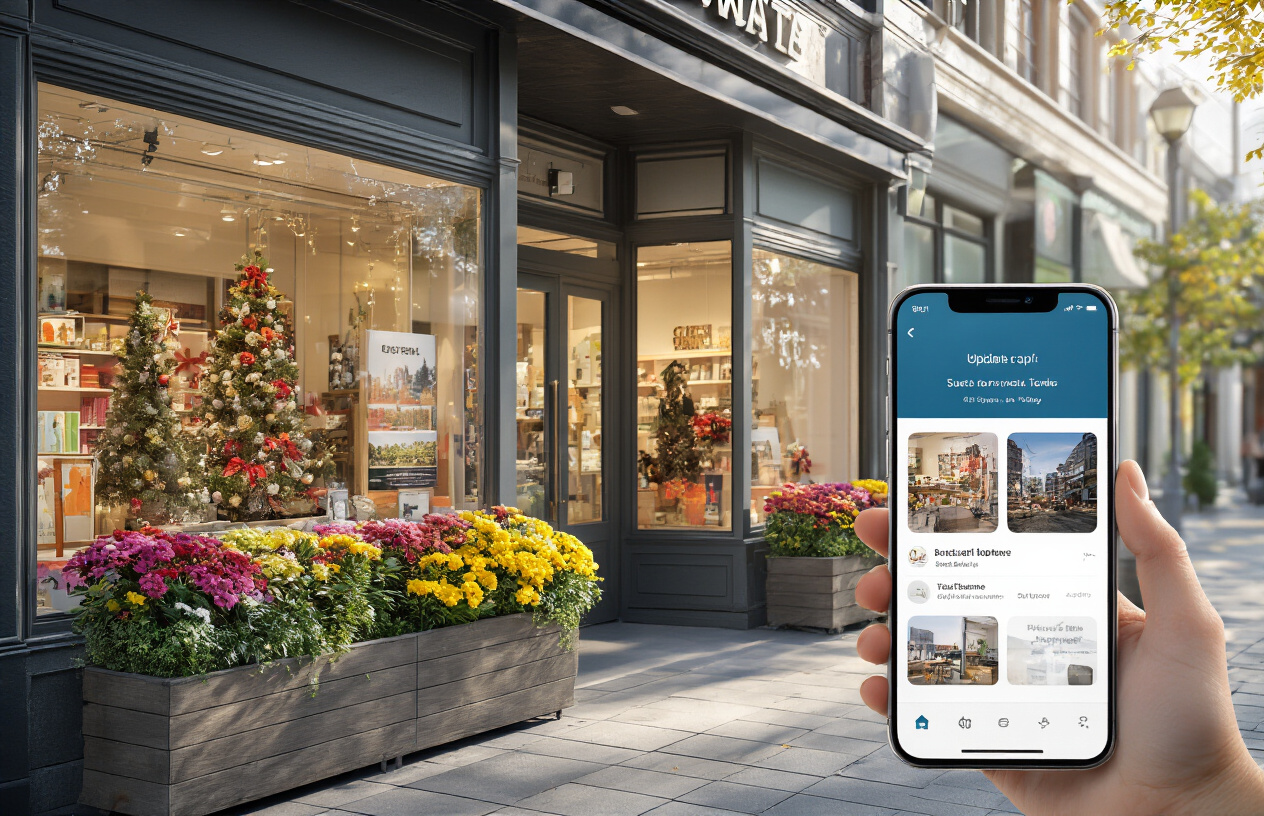
Keeping your business visuals fresh with seasonal updates isn’t just about looking current – it’s a proven strategy that drives real engagement and boosts sales. By regularly refreshing your images and videos to reflect seasonal offers, holidays, and local events, you create multiple touchpoints that keep customers coming back and attract new ones who discover your business through timely, relevant content.
The key lies in planning and staying consistent across all your digital platforms. Create a visual content calendar that maps out your seasonal campaigns, invest in quality photography that showcases your products or services in their best light, and track which updates generate the most customer response. When you combine strategic planning with technical best practices and smart distribution, seasonal visual updates become a powerful tool that transforms casual browsers into loyal customers and keeps your business top-of-mind year-round.
FAQs
Why should I update my business images and videos regularly?
Fresh images and videos keep your business looking current and active. When customers see updated content, they know your business is running and paying attention to details. Seasonal updates also help you stay relevant to what’s happening right now in your customers’ lives.
How often should I change my business images and videos?
You should update your visual content at least four times a year with the seasons. However, if you have monthly promotions or special events, consider updating more frequently. The key is to match your content with your current offers and the time of year.
What types of seasonal images work best for local businesses?
Use images that show your products or services in a seasonal context. For example, show warm drinks in winter, outdoor seating in summer, or holiday decorations during festive seasons. Include your actual location, staff, and real customers when possible to keep it authentic.
Where should I use these updated images and videos?
Post them on your Google Business Profile, website homepage, social media accounts, and any online directories where your business is listed. Make sure your storefront photos and interior shots reflect current seasonal decorations or arrangements.
How do seasonal updates help with my current promotions?
When your images match your current offers, customers can immediately see what’s available right now. If you’re running a summer sale, show those products prominently. If you have winter services, display them clearly. This direct connection helps drive more sales.
What should I avoid when taking seasonal business photos?
Don’t use stock photos that don’t represent your actual business. Avoid cluttered backgrounds or poor lighting. Skip images that look outdated or don’t match your current inventory. Also, don’t forget to remove last season’s content when you add new material.
Can I take these photos myself or do I need a professional?
You can definitely take many of these photos yourself using a smartphone with a good camera. Focus on good lighting, clean backgrounds, and clear shots. However, for major seasonal campaigns or your main business photos, a professional photographer might be worth the investment.
How do I know if my seasonal updates are working?
Track your online engagement, website visits, and customer inquiries after posting new content. If you see more people visiting your profiles, asking about current offers, or mentioning they saw your latest photos, your updates are making a difference.
What’s the best way to plan my seasonal content in advance?
Create a simple calendar marking major seasons, holidays, and your planned promotions. Take photos a few weeks before you need them, so you’re ready to post right on time. This planning helps you stay consistent and never miss important seasonal moments.
Should my videos be different from my photos for seasonal updates?
Videos can show your business in action and give a more complete picture of your current atmosphere. Use videos to demonstrate seasonal products, show your decorated space, or explain current offers. They work great alongside photos to give customers the full picture of what to expect.